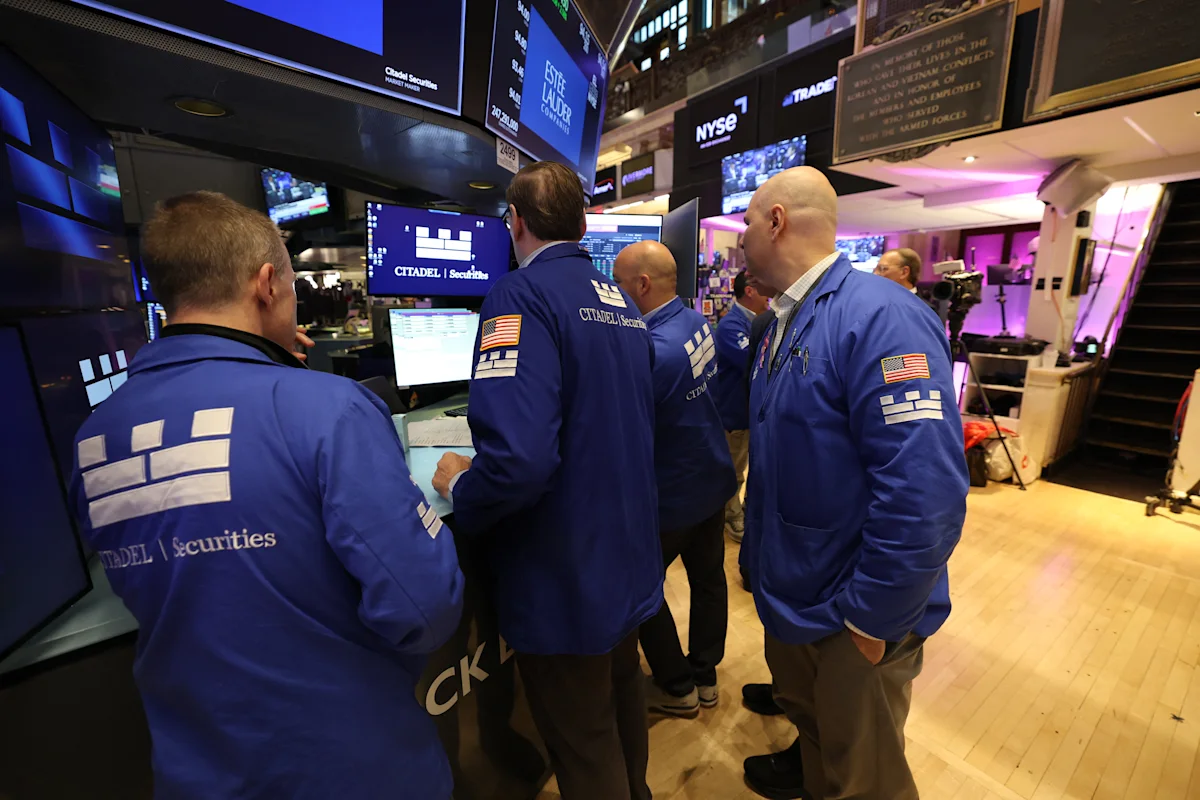
U.S. stocks fell on Wednesday as investors reacted to inflation data that surpassed expectations, paired with ongoing bank earnings reports. The S&P 500 declined by 0.8%, while the Nasdaq Composite dropped by 1%. The Dow Jones Industrial Average remained near the flatline. September's Consumer Price Index (CPI) increased by 3.7% year-over-year, above the 3.6% forecasted by economists, with rising gas and energy prices contributing to the uptick. This development diminishes the likelihood of the Federal Reserve maintaining current interest rates at its next policy meeting.
Read More
The semiconductor sector faced further declines, impacted by a 12% drop in the Korean KOSPI index over the past week. Chip equipment maker ASML reported record third-quarter sales and raised its full-year outlook due to the strong demand in artificial intelligence. Investors are expected to look for additional insights into the AI market when Taiwan Semiconductor reports earnings on Thursday.
In the financial sector, Bank of America’s stock fell nearly 9% after announcing a 17% decline in its third-quarter profit, largely due to a $1.2 billion regulatory penalty and reduced trading revenue. In contrast, BlackRock saw its shares rise as its third-quarter earnings surpassed analysts' expectations.
Brent crude futures remained above $105 per barrel due to ongoing attacks on Saudi Arabian energy facilities by Houthis, which continue to disrupt supply.
Bond yields also remained elevated in response to the inflation data, with the 10-year Treasury yield rising to 5.27% and the 30-year yield reaching 5.58%. Amidst this economic landscape, Netflix's stock saw early gains evaporate after a report indicated the company would cut approximately 6% of its workforce in various departments, as announced by co-CEOs Greg Peters and Ted Sarandos. Additionally, Netflix secured exclusive broadcast rights for the FIFA World Cup 203 in Spain and Andorra.
Further developments in the market include Apple's unveiling of new smart home devices, marking a strategy shift towards integrating AI with consumer technology. As for economic indicators, recent data revealed various changes in mortgage applications and CPI metrics, reinforcing the landscape of consumer spending amid evolving interest rates.