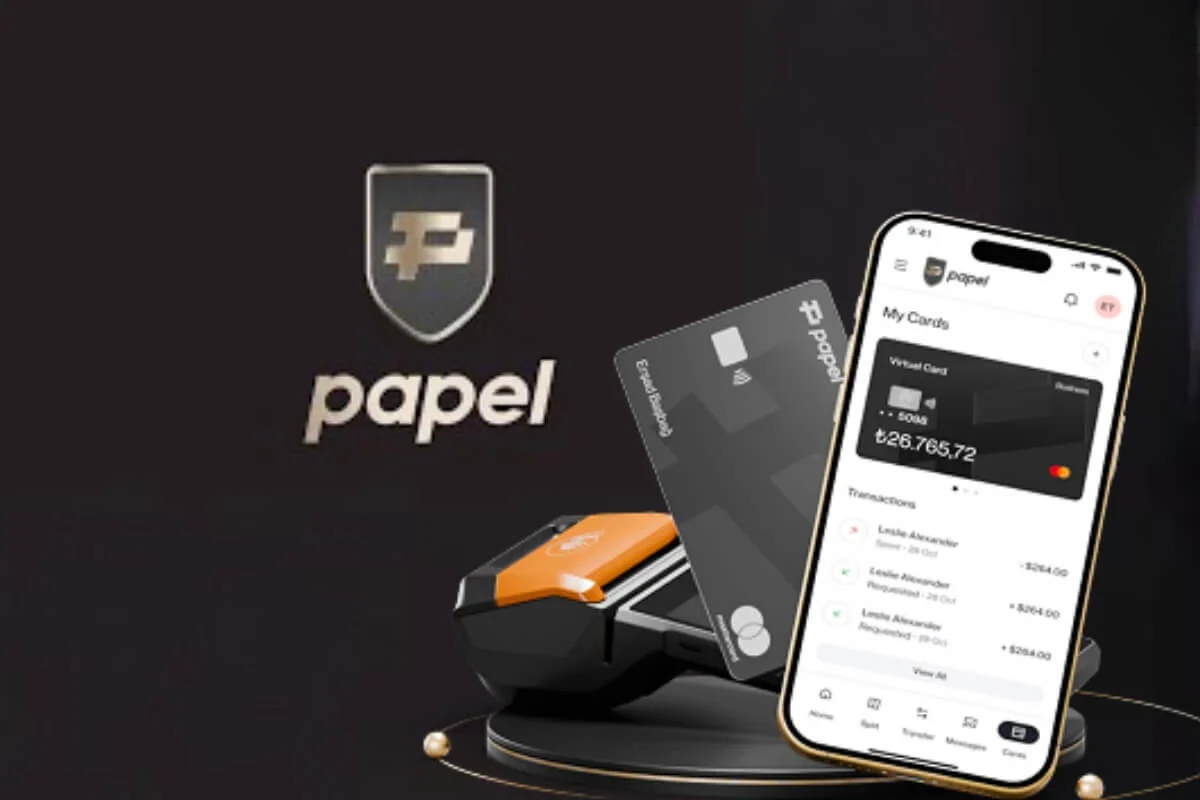
The Central Bank of Turkey has revoked the license of Papel, an electronic money and payment services company, following allegations of money laundering linked to illegal betting and fraud. This decision was published in the Official Gazette on September 18.
Read More
Papel had been operating under a license granted in October 2022. The bank cited relevant provisions of Turkey's laws concerning payment systems and electronic money institutions but did not elaborate on the specific reasons for the revocation.
This action comes eight months after an İstanbul court ordered the seizure of Papel's assets and designated the state-run Savings Deposit Insurance Fund (TMSF) as trustee for the company as part of the investigation into money laundering and illegal betting activities.
The investigation was initiated in January after inspections by the central bank and analyses by the Financial Crimes Investigation Board (MASAK). Prosecutors allege that proceeds from illegal activities, including betting and unauthorized forex trading, were funneled into the financial system through electronic payment companies, subsequently laundered domestically and internationally.
Law enforcement conducted raids in İstanbul and seven other provinces, leading to the detention of 38 suspects. Of those, 15 were jailed pending trial, and 23 were placed under judicial supervision.
Prosecutors claim that employees within Papel, including software engineers and IT staff, facilitated the transfer and concealment of criminal proceeds using the company's electronic payment infrastructure. This led to the indictment of 44 suspects, with prison sentences of nine to 27 years sought for those involved in the alleged money laundering through Papel.
Papel's founder, Seyhan İbrahim Yıldırım, along with four others, faces accusations of managing a criminal organization, while another 39 individuals are charged with membership in that organization.
Reports indicate that a MASAK analysis uncovered TL 1.5 billion ($35 million) in transactions related to Papel, with ties to locales such as Dubai, Georgia, Cyprus, and Europe. Investigators have described Papel as a fallback mechanism for laundering funds after other payment channels were compromised.
Additionally, concerns were raised over Papel’s rapid capital growth from TL 7 million to TL 300 million despite reported losses, and significant cash inflows attributed to Yıldırım with sources not identified. Established in 2020, Papel employed around 200,000 users at the onset of the investigation and had over 150 staff members at its affiliated banking software firm, P Tech.
This revocation follows a similar action against fintech company Papara, which had its license canceled by the central bank in October 2025 amid a separate investigation into alleged illegal betting.