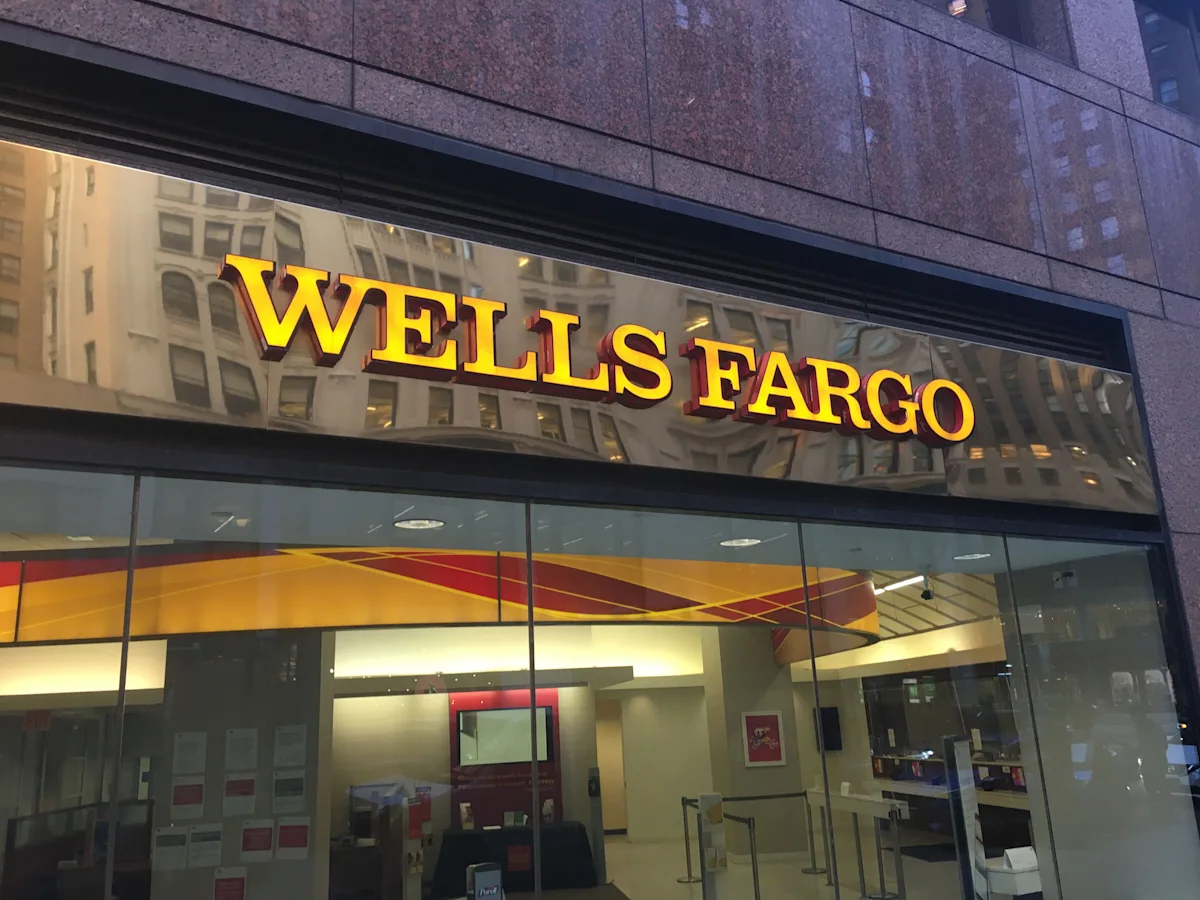
US bank stocks are experiencing their longest losing streak since the 2008 financial crisis, even as major lenders report strong earnings. Last week, results from JPMorgan Chase (JPM), Bank of America (BAC), Citigroup (C), and Wells Fargo (WFC) indicated that both consumer and business customers are weathering the impact of high borrowing costs well. These four banks set aside $7.6 billion in credit provisions for the quarter, a decline of about 3% from the previous year. Actual loan losses decreased by 5%, while lending increased by nearly 10%.
Read More
Despite these positive results, investor sentiment remains cautious. The KBW Nasdaq Bank Index (^BKX) fell slightly on Monday, marking its sixth consecutive week of losses and an overall decline of 11% since early September. This represents the longest weekly downturn for the index since the financial crisis of 2008, according to Yahoo Finance data.
Concerns among global credit managers are rising, as a recent survey revealed that approximately 60% expect corporate defaults to increase over the next year. Additionally, 85% are predicting wider spreads on North American junk bonds in the next three months, a significant increase from the previous quarter's expectations of 40% and 50%, respectively. Som-lok Leung, executive director of the International Association of Credit Portfolio Managers, noted that although there is some risk appetite among investors, many companies that have survived thus far are nearing financial distress.
Morgan Stanley analysts stated that bank credit conditions remain "benign" except for isolated weaknesses in commercial sectors. However, executives have sounded more cautious in earnings calls this month compared to the second quarter. Investor concerns focus on the potential impact of sustained high interest rates on borrowers. Conversely, Bank of America analyst Ebrahim Poonawala noted that declining interest rates could revitalize bank stocks, ideally coinciding with lower energy prices or easing inflation.