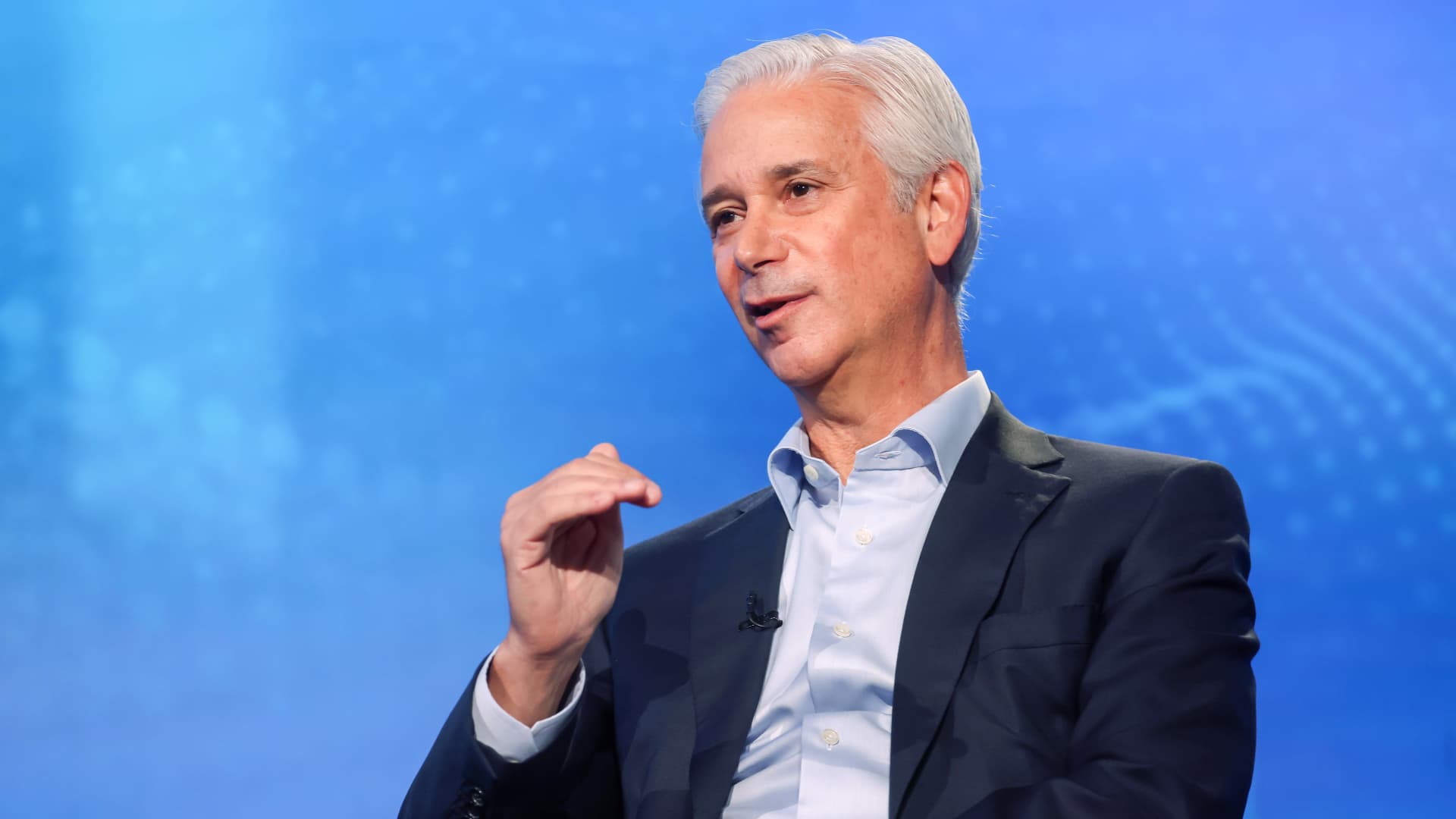
Citi’s CEO Jane Fraser reported that the bank is seeing consumer-driven growth, despite a softening macro environment for the third quarter. In a call with analysts, Fraser noted, "The labor market is stable, and companies remain active. Our near-term economic outlook remains positive," adding that clients are engaged and healthy.
Read More
Fraser emphasized that Citi’s strategies include a strong focus on cyberdefense amid increasing systemic risks. She stated, "Our cyberdefense strategy is about being on the front foot... We're constantly preparing and improving our defenses."
Overall, investment banking fees were stable across major banks reporting today; however, some experienced quarter-over-quarter declines. JPMorgan saw investment banking revenue rise 14% year-over-year but drop 8% from the previous quarter. Similarly, Goldman Sachs reported a 21% increase from the previous year but an overall decline in fees compared to the last quarter.
Goldman Sachs CEO David Solomon highlighted growing risks associated with financing AI infrastructure. During the earnings call, he cautioned that higher borrowing costs could affect the economics of projects, stating, "There will be a point in time when this recalibration resets, for sure."
Meanwhile, Wells Fargo's CEO Charlie Scharf pointed out ongoing high demand for semiconductors attributable to the AI investment cycle, which he described as a complex macroeconomic force. He reaffirmed the strength of the bank's customer base, although he acknowledged potential future weaknesses in consumer credit conditions.
In contrast, JPMorgan's CFO Jeremy Barnum warned that the bank would not be immune to significant downturns in the AI industry, emphasizing that the entire financial sector could suffer from such changes in sentiment.
Citi reported its best third-quarter revenue in a decade at $23.85 billion, exceeding expectations. The bank anticipates surpassing its full-year net interest income guidance, initially set at 5-6%, and now projected to reach mid-to-high 6% growth.
Wells Fargo reported stable performance across all segments, including a 12% increase in wealth management revenue. However, the bank's shares fell slightly in premarket trading after projecting lower net interest income than expected.
Earnings for JPMorgan missed analyst predictions, largely due to lower fixed-income trading revenues and increasing operational costs. The bank reported a net income of $15.31 billion, or $5.57 per share, falling short of the $5.90 forecasted.
As this earnings season unfolds, banks continue to navigate challenges related to interest rates, AI, and consumer behavior, creating a complex landscape for the financial industry.