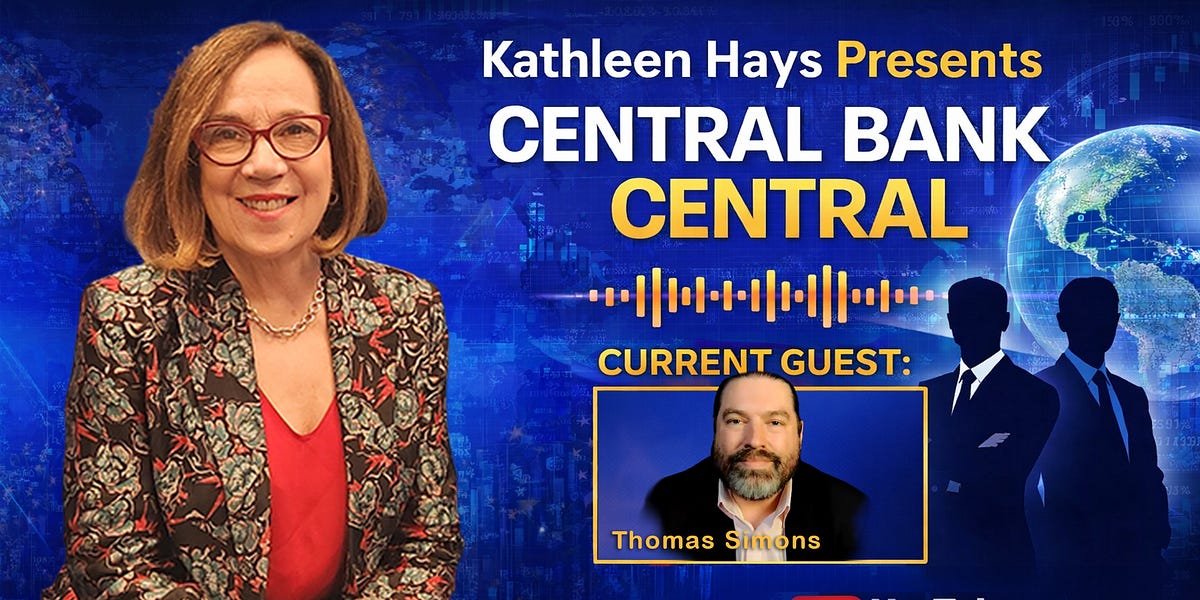
Thomas Simons, chief U.S. economist at Jefferies, highlighted a significant shift in the inflation landscape following the release of the September Consumer Price Index (CPI) and Producer Price Index (PPI), both of which exceeded expectations. Simons, who has extensive experience in economic analysis, noted that the data, released just ten days before the Federal Open Market Committee (FOMC) meeting, suggests a more complex inflation environment.
Read More
Before September's inflation data, Simons expressed uncertainty about whether the FOMC would proceed with a rate hike, citing indicators of a potential easing in price pressures. However, he stated, "this month’s data set brings a totally different texture to the inflation environment. I would say that the data that we got this week was much worse." He pointed to unexpected increases in shelter costs, particularly in Owner's Equivalent Rent (OER) and rent, as contributors to the mounting inflation pressures.
Simons argued that while there is a case to be made for not reacting to a single month’s data, the September figures reflect a troubling trend over the past four months, with core inflation beginning to rise again. He cautioned that despite the economy showing signs of resilience, persistent price pressures could complicate monetary policy for the Fed.
He indicated that recent economic reports, including retail sales and manufacturing surveys, demonstrate a durable economy, but also noted that sustained growth might contribute to inflation remaining above target levels. Additionally, Simons referred to the Fed's latest Beige Book, which revealed concerns about rising prices potentially affecting inflation expectations.
Regarding future Fed decisions, Simons pointed out that stronger data may necessitate a policy shift. He remarked, "One rate hike isn’t going to be enough. You got to keep going. October is very live." He believes the Fed may need to act sooner rather than later to maintain credibility and not risk a recession while trying to control inflation.
Simons expressed skepticism about the current monetary policy being too tight, suggesting that the real debate lies in its effectiveness. He acknowledged that while recent increases in prices and changes in demand trends might appear alarming, they do not uniformly indicate impending economic decline.
As the Fed prepares for its upcoming meeting, Simons suggests the landscape is sensitive to economic sentiment and the complexities of inflation in the current environment, making it critical for the Committee to navigate carefully to maintain credibility while managing growth.