Trade representatives from various countries convened in Milwaukee on Wednesday to kick off the G20 Trade Ministerial, one of several pre-summit gatherings leading up to the G20 Leaders’ Summit in Florida this December.
Read More
The ministerial, hosted by U.S. Trade Representative Jamieson Greer, occurs against a backdrop of President Donald Trump’s tariffs, ongoing trade tensions with Canada, and rising fuel prices due to the conflict in Iran, which have heightened concerns regarding the U.S. economy.
Greer’s office announced that discussions in Milwaukee will center on issues such as eliminating forced labor in global supply chains, updating the Most-Favored Nation principle, denouncing the misuse of trade in food, and addressing overcapacity in production.
Dr. Miao Grace Wang, an economics professor at Marquette University, noted that the local economic impact of the event is expected to be minimal. However, she emphasized that the long-term benefits could include increased visibility for Milwaukee, which has strong connections to international trade. Wang suggested that having global trade officials in the city might provide them with a better understanding of Milwaukee’s manufacturing sector.
In addition to Milwaukee, ministerial events are taking place in Houston and North Carolina. Dale Kooyenga, president of the Metropolitan Milwaukee Association of Commerce, expressed satisfaction that Milwaukee was chosen to host such a significant event, stating that it enhances the city's visibility in the global arena.
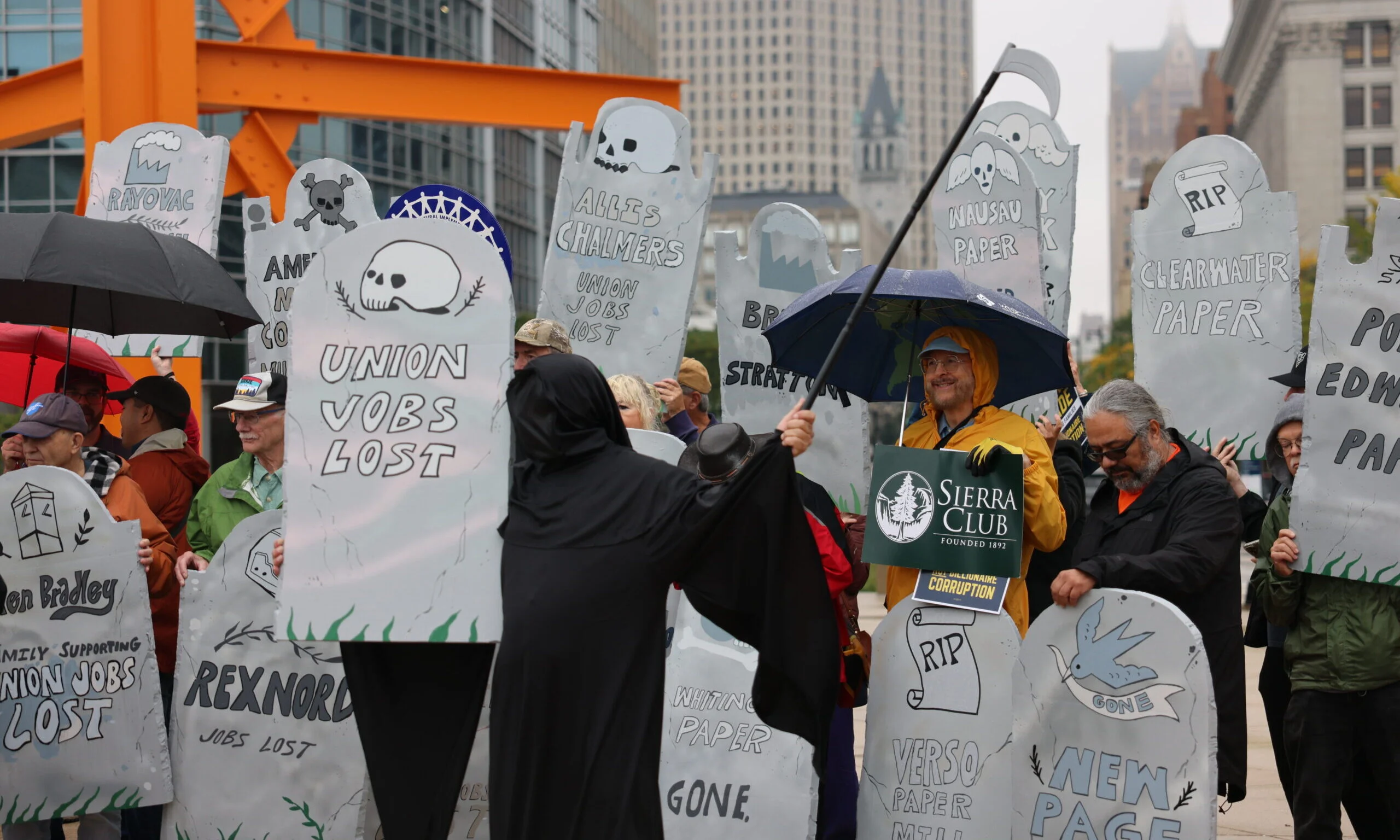
Outside the venue, a small protest highlighted concerns about the effects of trade policy on Wisconsin workers and the broader American economy. Peter Rickman, president of the Milwaukee Area Service and Hospitality Workers Union, criticized global trade agreements, arguing they have devastated working-class communities.
Darin Von Ruden, president of the Wisconsin Farmers Union, pointed out that trade policies have negatively affected the number of dairy farms in the state. He called for G20 attendees to consider how to ensure fair wages for those in food production.
Margie Lowe, a Milwaukee resident who joined the protest, expressed dismay over the impact of trade policies on middle-class Americans, stating, "It’s heartbreaking... they left so many communities high and dry."
Wisconsin Public Radio, © Copyright 2026, Board of Regents of the University of Wisconsin System and Wisconsin Educational Communications Board.