The International Monetary Fund (IMF) has raised its global growth forecast for 2026 to 3.1%, an increase from the 3% projected in July, though still below last year's 3.5% growth rate. For 2027, the forecast remains steady at 3.4%. The IMF also anticipates inflation to reach 4.1% in 2027, slightly higher than the previously estimated 3.9%. This comes as the IMF expects the Strait of Hormuz to reopen in March 2027 and return to pre-war conditions by October, with Gulf crude exports at 88% of pre-conflict levels in September.
Read More
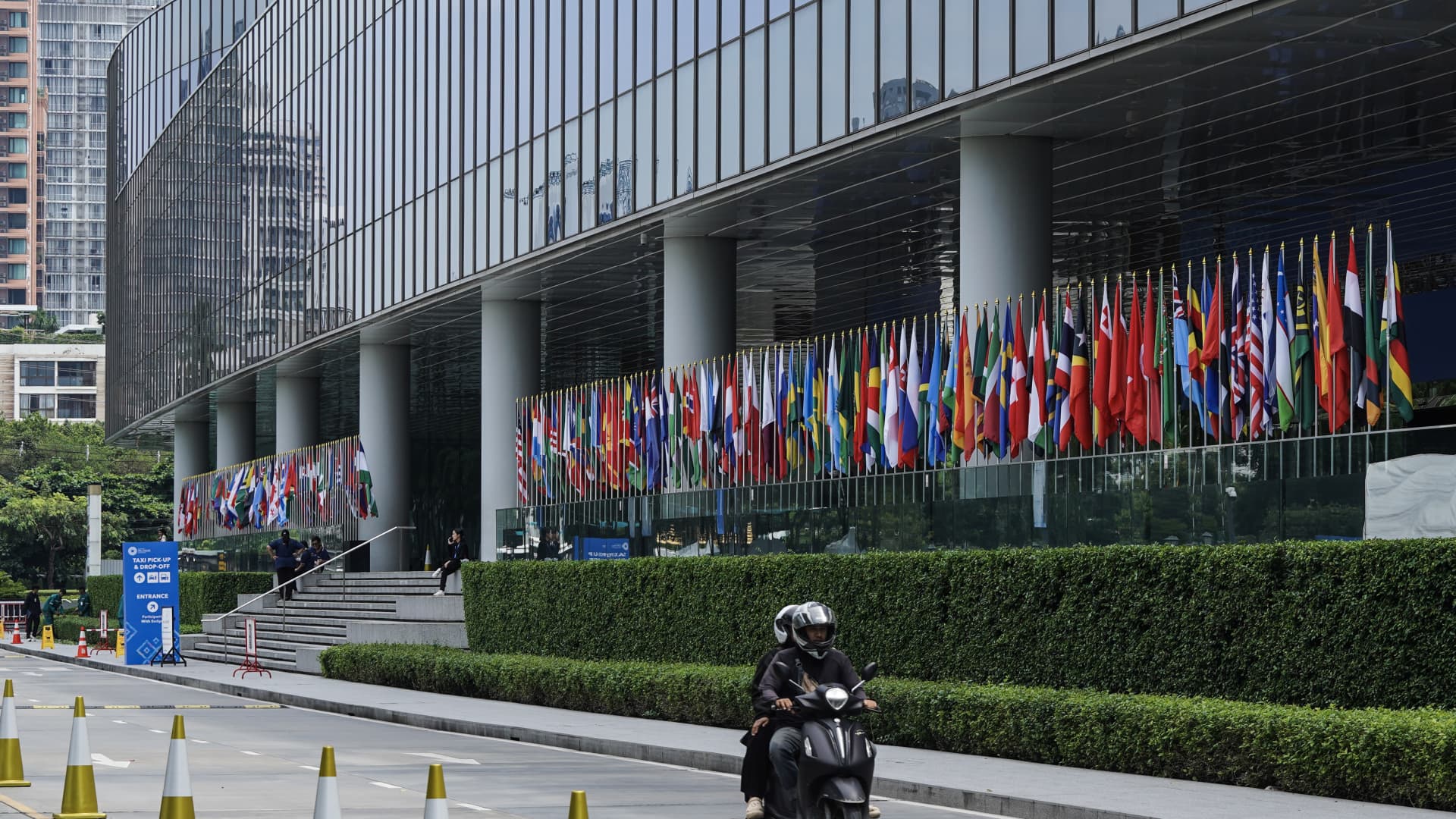
Silvana Tenreyro, the IMF's economic counsellor and director of research, emphasized that while the global economy has shown resilience, this is nearing its limits, urging policymakers to enhance fiscal space and supply-chain security. The report, unveiled during the annual meetings in Bangkok, noted that AI-driven investments are providing a significant demand impulse that is helping counteract challenges posed by rising energy costs and geopolitical tensions.
Despite these advancements, the IMF cautioned that global oil reserves are decreasing at a rate of about 2.7 million barrels per day, which could lead to price volatility. The organization highlighted that various strategies, such as diversifying fuel sources and utilizing strategic reserves, have helped mitigate the impact of recent energy market disruptions from the Middle East conflict.
Global growth remains uneven, with 32 economies now accounting for 95% of global growth, a decrease from 54 in April. Countries less affected by the war and benefitting from AI-related demand, such as Taiwan, projected a growth rate of 10.7% for the year, while South Korea expects 3.3% growth, largely driven by semiconductor demand. The U.S. is projected to grow by 2.3% in both 2026 and 2027 due to private consumption and tech investment.
In contrast, energy-importing nations facing higher bills and diminished fiscal capacity are struggling, with the euro zone expected to achieve only 1.1% growth this year. The Middle East and Central Asia are projected to contract by 0.3% in 2026, particularly affecting countries like Bahrain, Iraq, Kuwait, and Qatar, though they are expected to rebound significantly by 2027.
China's growth is forecasted at 4.5% this year but impacted by high oil prices and other structural challenges. India's economy is projected to grow 7.0% over the next two years due to strong domestic demand and AI investments.
However, the IMF highlighted risks associated with AI investments, warning that this could lead to inflationary pressures and potential financial instability. A failure to achieve anticipated productivity gains from AI could lead to a 20% drop in U.S. equities and 1.1% lower global growth by 2028, particularly impacting Asia more significantly.
The IMF also reported that public debt in advanced economies is expected to rise to 115% of GDP by 2031, suggesting a growing urgency for governments to rebuild fiscal space while ensuring targeted support for households facing increased living costs. The likelihood of inflation exceeding 5% by 2027 has also increased to about 35%, with risks still tilted to the downside.