Kawa Junad, founder of First Iraqi Bank (FIB), faced a significant challenge when he launched Iraq's first digital bank: convincing Iraqis of the necessity of banking in a culture largely reliant on cash. This challenge, which Junad described as a “chicken and egg” problem, involved ensuring that both customers and merchants were willing to accept digital payments. To address this, FIB took a grassroots approach, engaging with small and medium-sized enterprises (SMEs) and consumers directly.
Read More
By the end of 2021, roughly six months after its digital application launched in April, FIB had successfully built a customer base of around 3,000 businesses. Junad noted that this was a turning point for the bank, which has since grown to more than one million customers, reflecting a shift in Iraq's traditionally cash-based economy.
The bank, which has been licensed by the Central Bank of Iraq since 2020, initially focused on the Kurdistan region but has since expanded to other major cities, including Baghdad, Basra, Najaf, and Nineveh. Despite being a digital-only institution, FIB has strategically utilized physical branches to increase its appeal. Junad emphasized that having a tangible presence boosts people's willingness to try their services.
FIB offers streamlined banking solutions that eliminate barriers to formal banking, including quick onboarding and digital ID solutions. Customers can open accounts in about five minutes using a mobile phone and a few identification documents. Currently, around 1.3 million of FIB's registered customers, 90% of whom had never held a bank account before, are using its services, alongside 30,000 merchants.
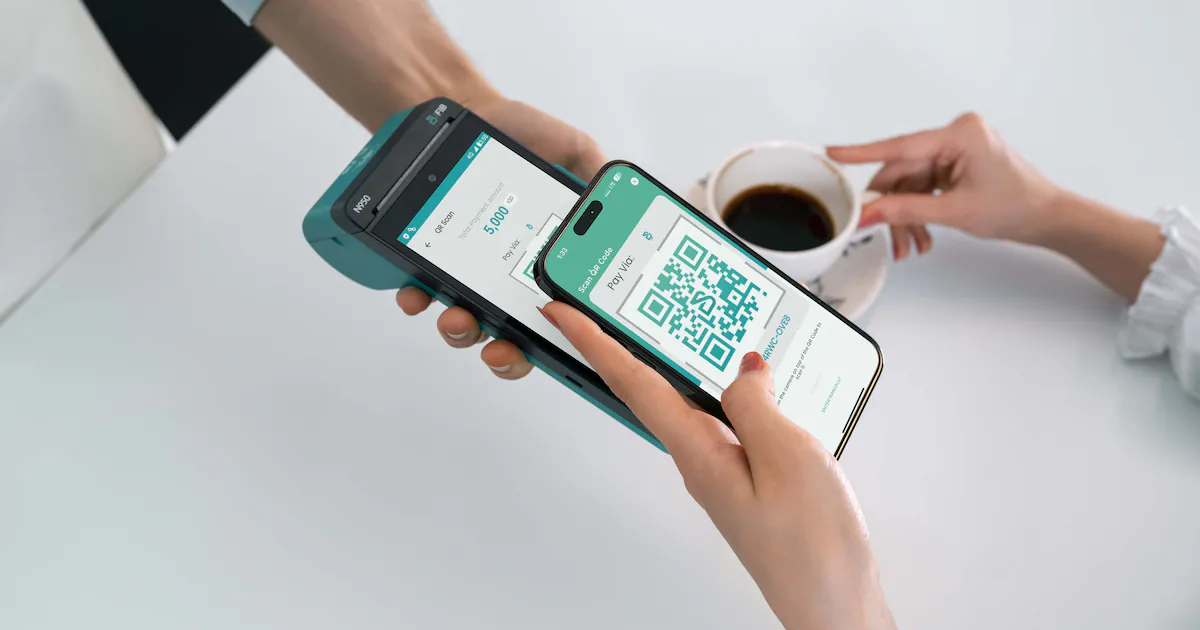
The bank's growth has been fueled by simple digital tools like QR codes for payments. Junad reported an 85% increase in digital payment transactions from 2024 to 2025. For many SMEs, the switch to digital payments has drastically reduced cash transactions, with some reporting that only 20% of their revenue now comes from cash payments.
Beyond payments, FIB has diversified its offerings, with approximately 30% of customers now utilizing additional services like savings and credit accounts. Junad highlighted the importance of transitioning customers from merely using digital payments to establishing deeper banking relationships. He expects digital lending to significantly grow by the end of 2026 or early 2027, particularly for SMEs that have previously had limited access to formal credit.
This shift represents a major evolution beyond simply digitizing payments. It opens pathways for businesses traditionally reliant on cash to begin formal borrowing, offering banks more data for customer assessment.
Young Iraqis, aged 18 to 35, are driving this change, engaging with banking services mainly through their phones. Junad reported that FIB sees new customer acquisitions amounting to about 600 billion to 700 billion Iraqi dinars (around $500 million) monthly, with most growth attributed to this younger demographic. With Iraq's population growing from 25 million in 2003 to approximately 46 million in 2024, and a substantial portion below the age of 35, the potential for digital banking is significant.
In response to the evolving landscape, the Central Bank of Iraq introduced new digital banking regulations in 2024, facilitating the growth of this emerging market. Junad regards the shift to digital banking as a “game-changer” for an economy where informal cash transactions are prevalent.