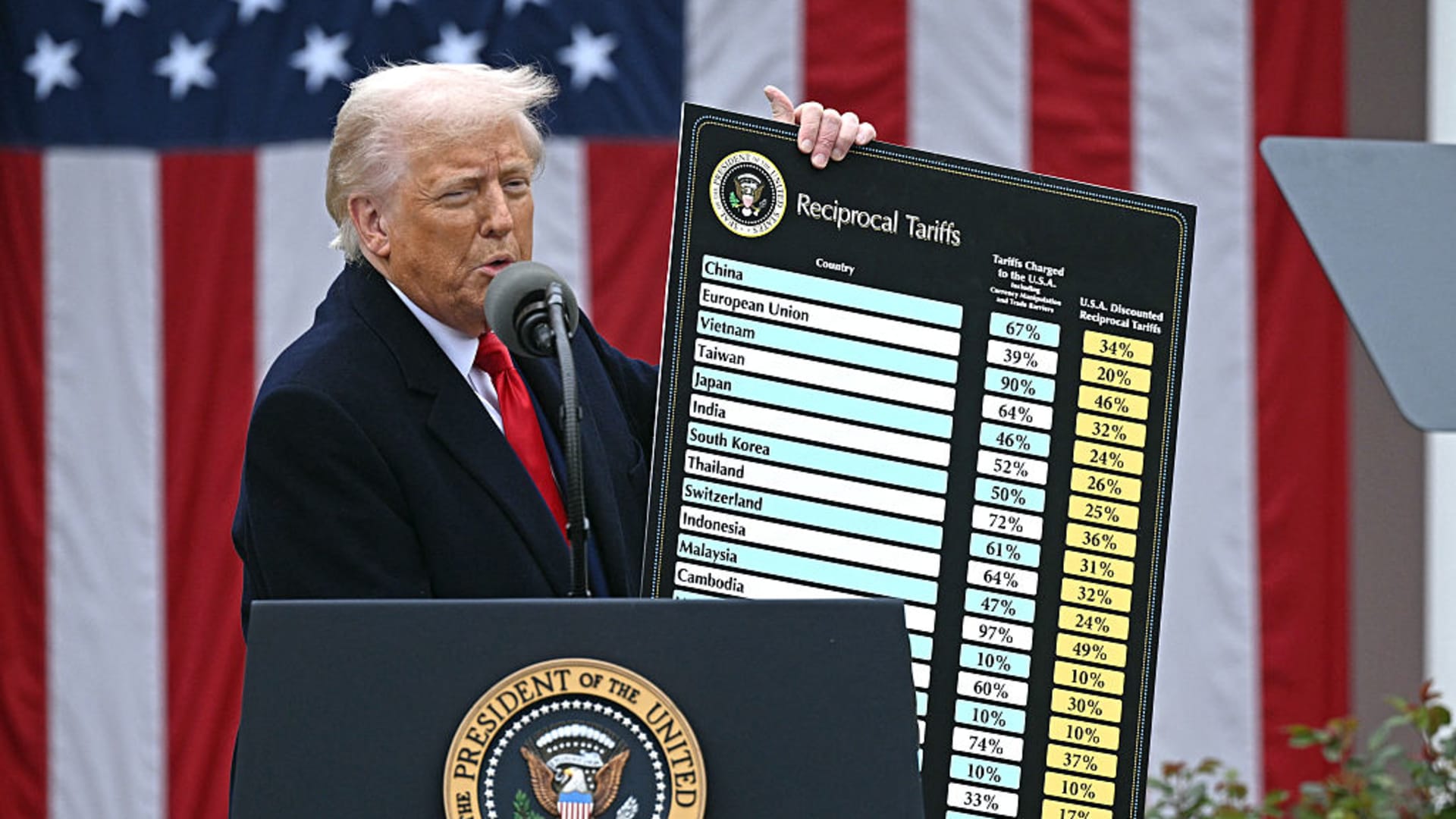
According to a report from the New York Federal Reserve, the tariffs implemented by President Donald Trump contributed to a 2.9 percentage point increase in the prices of 67 categories of consumer goods as of February. The research indicates that without these tariffs, prices for the examined goods would have decreased by nearly 1%.
Read More
The report provides strong evidence of the financial impact of Trump’s tariffs, a significant aspect of his recent policy agenda. While economists anticipated that tariffs would raise prices, quantifying this effect proved challenging due to the evolving policy landscape and opaque pricing strategies by companies.
The specific categories of goods analyzed were not disclosed. However, the researchers noted that a one percentage point increase in average tariffs correlates with a consumer goods price increase of approximately 0.25% a year later. The report also stated that annual price growth for these goods peaked at the beginning of 2026. Consumers are projected to continue feeling the effects of elevated prices through 2027, with about two-thirds of the price increases attributable directly to the tariffs themselves. The remainder stemmed from secondary effects, including U.S. companies relying on imported components.
The study's authors, Mary Amiti, Sebastian Heise, and David Weinstein, emphasized that tariffs exert a more prolonged influence on consumer prices than might be apparent from direct impacts alone. Trump previously claimed that businesses might absorb the increased costs from tariffs to avoid passing them on to consumers. However, the Fed's analysis indicated that roughly 26% of the tariff-induced price hikes were indeed transmitted to consumers.
In February, the Supreme Court invalidated many of Trump's tariffs, leading to billions of dollars in refunds for retailers. Despite this, the White House plans to maintain tariffs through alternative avenues, with import duties on many goods now averaging around 10%, a reduction compared to previous levels.