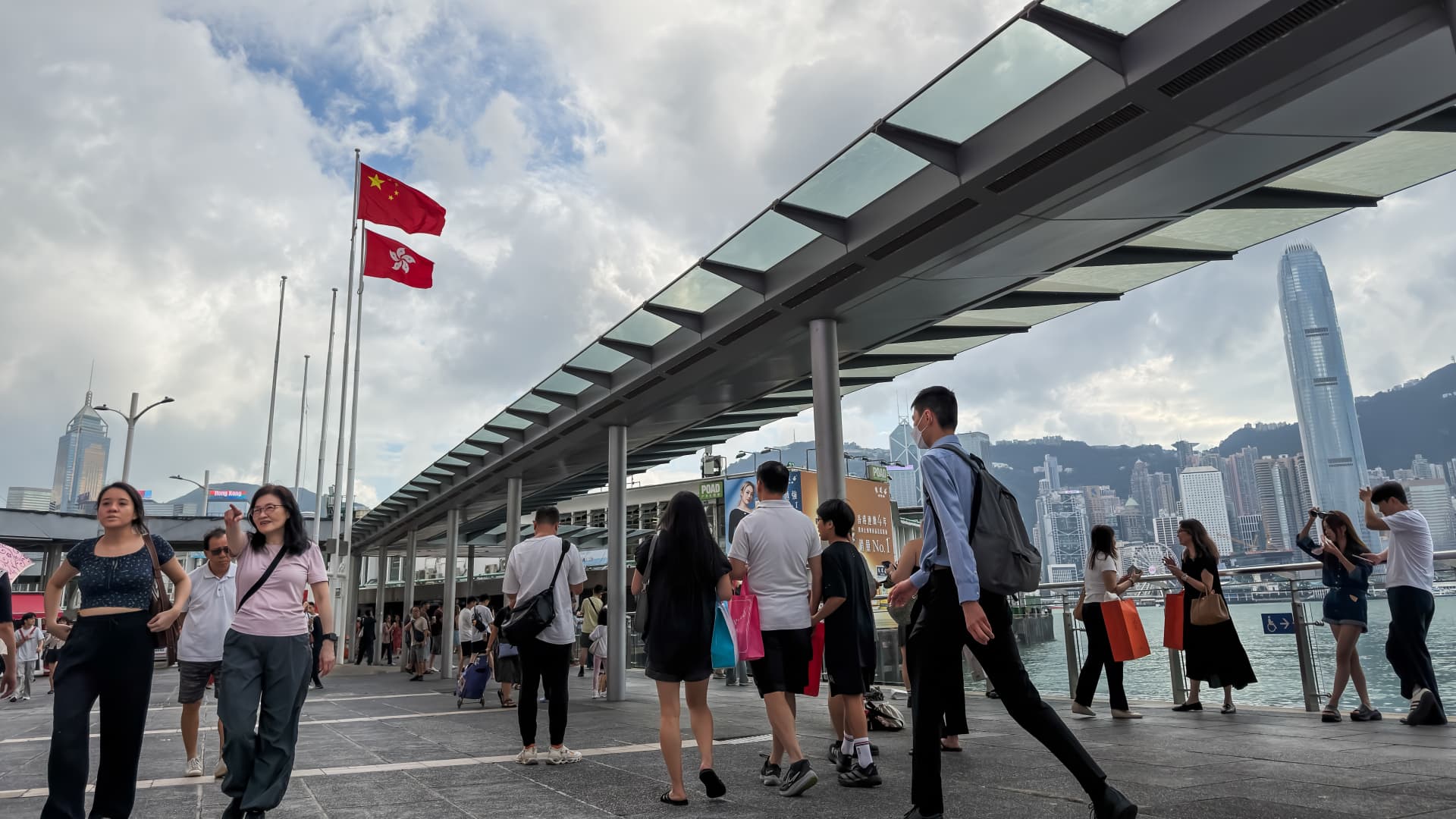
China's economy grew 4.5% in the third quarter of 2023 compared to a year earlier, outpacing the 4.4% expansion forecast by economists surveyed by Reuters and recovering from a three-year low of 4.3% in the previous quarter. The growth was propelled by strong foreign demand for technological goods, which helped counterbalance a downturn in the real estate sector and weak consumer spending.
Read More
Tianchen Xu, a senior economist at the Economist Intelligence Unit, attributed the uptick to improved government investments that mitigated declines in fixed asset investments and a strong external sector. In September, the country's monthly trade surplus hit a record high of $133.5 billion, and Xu predicts that this growth momentum will likely continue into the fourth quarter, with a projected full-year growth rate of 4.7%.
Despite this growth, domestic consumption remains sluggish. Retail sales rose 1.1% in September, surpassing the analyst forecast of 0.6%, while industrial output remained flat at an expected 5.5%. The urban unemployment rate registered at 5.2% for September. However, fixed asset investment in urban areas decreased by 7.2% compared to the same period last year, slightly less than the 7.3% drop anticipated in a Reuters poll. Real estate investment fell 20.6% from January to September, worsening from a previously reported drop of 19.9% in the first eight months.
Sheana Yue, a senior economist at Oxford Economics, expressed concern that the prolonged housing slump would continue to restrain the economy's broader recovery. She noted that recent data on home sales, construction starts, and prices do not indicate a recovery in the property market.
The reliance on exports for growth has introduced new challenges, particularly as energy costs rise and concerns grow among trading partners over China’s manufacturing and export strategies. Eswar Prasad, an economics professor at Cornell University, pointed out rising domestic imbalances between supply and demand and speculated that the Chinese government might adopt a more reserved approach rather than implement stimuli alongside necessary reforms.
In September, producer prices increased 5%, the highest rise in over four years, but consumer inflation lingered below 1%. Economists predict that the People's Bank of China will maintain its benchmark lending rates unchanged for the remainder of the year, allowing fiscal measures to take the lead in stimulating the economy. Recent actions include targeted interest rate cuts and mortgage subsidies and a 550 billion yuan allocation of unused debt quotas to relieve financial pressures on local governments and boost infrastructure spending.