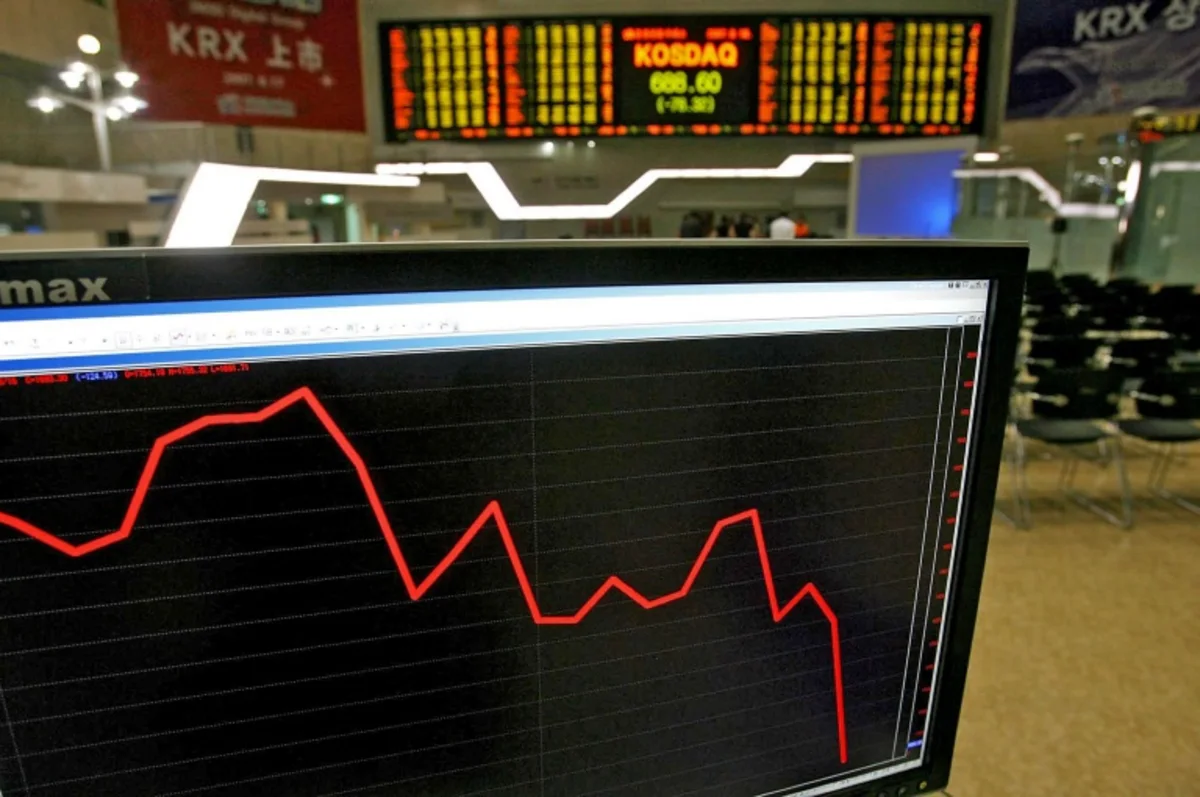
Asian stocks mostly declined on Monday, continuing the trend from a tech-led selloff on Wall Street last Friday, which was driven by rising concerns about the artificial intelligence investment boom. Companies in the AI sector, particularly chipmakers, faced renewed pressure due to worries about surging inflation, increasing costs, and uncertainty regarding the returns on large investments made in recent years.
Read More
Last week experienced significant market fluctuations, ultimately closing positively on Friday. However, investor sentiment remains cautious as the earnings season approaches, with major tech companies like Tesla and Meta set to announce results this week. Additionally, concerns about CoreWeave, a 'neocloud' firm with a substantial debt burden, have added to the unease. The company's stock has dropped approximately 30 percent this month, coinciding with rising yields on its bonds, which have increased investor anxiety about its financial stability.
While NVIDIA's CEO Jensen Huang made reassuring comments regarding CoreWeave's financial situation, that optimism diminished as the week began. Also on the horizon is the Federal Reserve's upcoming interest rate decision, with expectations for a second consecutive rate hike after higher-than-expected U.S. inflation data raised concerns. Higher interest rates can negatively impact tech companies that depend on borrowing for their substantial investments.
All three major U.S. indices declined sharply, with the Nasdaq falling more than two percent, influenced by losses in leading firms like Microsoft, NVIDIA, AMD, and Amazon. National Australia Bank's Rodrigo Catril noted that the selloff reflects a reassessment of the economic foundation supporting the AI investment boom rather than merely a downgrade in end-demand. Investors are increasingly questioning whether potential future revenues can justify the significant capital and financing needed for data centers, chips, and power infrastructure.
In Asia, declines were seen across the board. Tokyo's market was affected by losses in major tech investor SoftBank, as well as Advantest and Tokyo Electron. Seoul's market also fell due to further losses among chipmakers SK hynix and Samsung. Other markets in Taipei, Shanghai, Sydney, Singapore, and Wellington experienced declines. However, Hong Kong was closed for a holiday.
Data released showing China's economy grew 4.5 percent in the third quarter, slightly surpassing expectations in an AFP survey, had little immediate impact on market movements. Oil prices slipped, but both main contracts remained above $100 after a more than three percent increase on Friday following a sharp decline in U.S. commercial inventories. The latest dip is attributed to signs that supply continues to flow from the Middle East, despite Iran's control over the Strait of Hormuz and ongoing attacks by Yemen's Houthis on key Saudi Arabian oil sites.