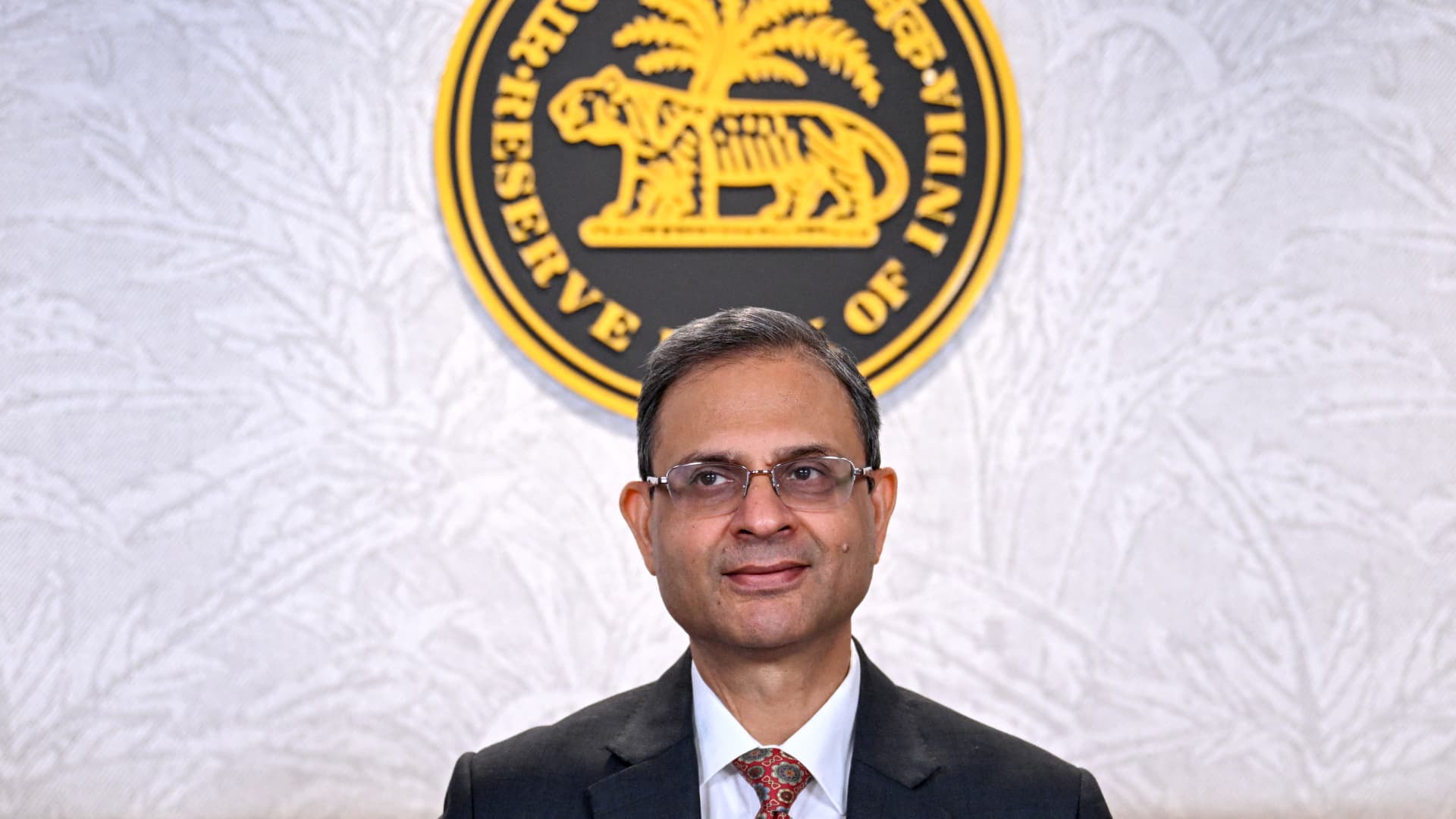
The Reserve Bank of India (RBI) has increased its benchmark repo rate by 25 basis points to 5.50%, marking the first rate hike since 2023. This decision reflects a broader trend among major central banks tightening monetary policy to address escalating inflation. RBI Governor Sanjay Malhotra, speaking at a press conference on October 7, 2026, highlighted that while India's economic growth remains robust, the inflation outlook is concerning, differing from last year’s scenario.
Read More
Retail inflation in India has risen consistently for ten months, reaching 4.8% in August, surpassing the RBI's medium-term target of 4%. The central bank projects core inflation at 4.4% and headline inflation at 5.2% for the financial year ending in March 2027. Malhotra noted that given current economic conditions, the RBI is not considering rate cuts in the near future, and any upcoming policy actions will likely consist of either further rate hikes or pauses.
Analysts from HSBC and Goldman Sachs anticipate another rate increase from the RBI in December. HSBC emphasized the importance of a strong rate hike to restore confidence in India's ability to manage inflation, warning that a perceived weak response could deter global investors.
In addition to the rate hike, the RBI has raised its economic growth forecast to 7.1%, citing resilient economic activity. However, risks such as ongoing geopolitical tensions, trade frictions, and high international commodity prices could hinder growth.
India, the fastest-growing major economy, remains exposed to supply disruptions from the Iran conflict, relying heavily on imports for fuel. Furthermore, the World Bank has warned about potential impacts from the El Niño phenomenon, which could elevate food prices due to adverse weather conditions experienced in June-August 2023, one of the driest periods since 1960.
Despite these challenges, India's economic performance exceeded expectations, posting a growth rate of 7.8% in the June quarter, even as other major economies struggled under similar pressures. Meanwhile, global central banks, including the U.S. Federal Reserve and the Bank of Japan, have also raised rates recently to combat rising global energy prices and inflation.