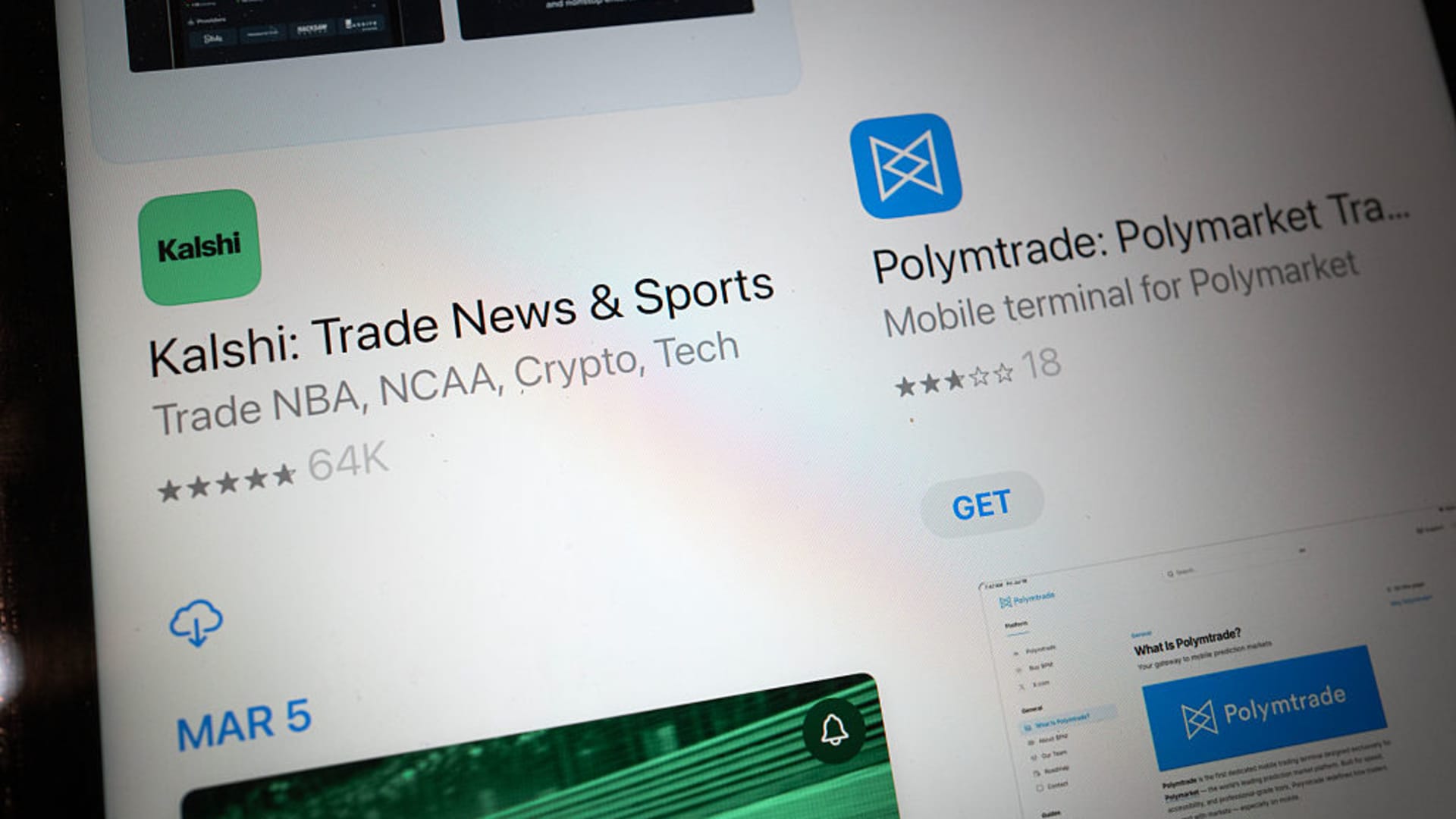
The use of combo contracts in prediction markets is contributing to significant volume increases, despite these contracts comprising a small fraction of overall market activity. Combo contracts, which require all included bets to win for a payout—similar to parlays in traditional sportsbooks—have seen a rise in popularity, particularly with the NFL season's commencement. In September, these contracts accounted for over 50% of the notional volume on Kalshi.
Read More
Kalshi and rival Polymarket are experiencing this upward trend, with combos making up nearly 50% of daily volume at Polymarket. This increase follows the platform's expansion in the U.S. after its official launch in May. Although combos represent a substantial portion of total volume, they do not reflect the primary trading activity among speculators, influenced by the Commodity Futures Trading Commission's reporting requirements.
According to Chris Park, a researcher, multi-leg contracts enable platforms like Polymarket and Kalshi to report inflated volume figures with lower cash expectations. Each trade registered on these platforms counts as $1 of notional volume regardless of the actual cash wagered, leading to significant discrepancies in reported activity. For instance, a recent analysis on Kalshi revealed that the average cash placed on single contracts was less than 47 cents, whereas combo contracts averaged only about 9 cents per contract.
Despite accounting for 58% of Kalshi’s trading volume in September, combos constituted less than 13% of total transactions. Additionally, they represent over 35% of total volume on Kalshi outside of sports contracts. The impact of these contracts may distort growth figures, creating a perception that prediction markets are expanding more rapidly than they are, a phenomenon that has adversely affected traditional sportsbooks like FanDuel and DraftKings, whose stocks have fallen 70% and 45%, respectively over the past year.
Analysts caution that comparing prediction market activity to sports betting handles can be misleading. "A handle measures the total dollar amount wagered, while prediction markets report both sides of a trade," Ian Moore of Bernstein stated. This leads to inflated perception of activity in prediction markets. "Activity numbers may suggest prediction markets have surpassed sports betting, but they are fundamentally different," explained Rich Jaycobs, an advisor seeking regulatory approval for prediction markets.
Kalshi asserts that its notional volume reporting accurately reflects activity, with spokesperson Jack Such inviting scrutiny using alternative metrics. Taker volume, which captures trades from market participants accessing liquidity, is suggested as a more reliable measure of market engagement. Polymarket’s Kyle Gesuelli supports this approach, emphasizing the importance of understanding real demand through taker volume data.