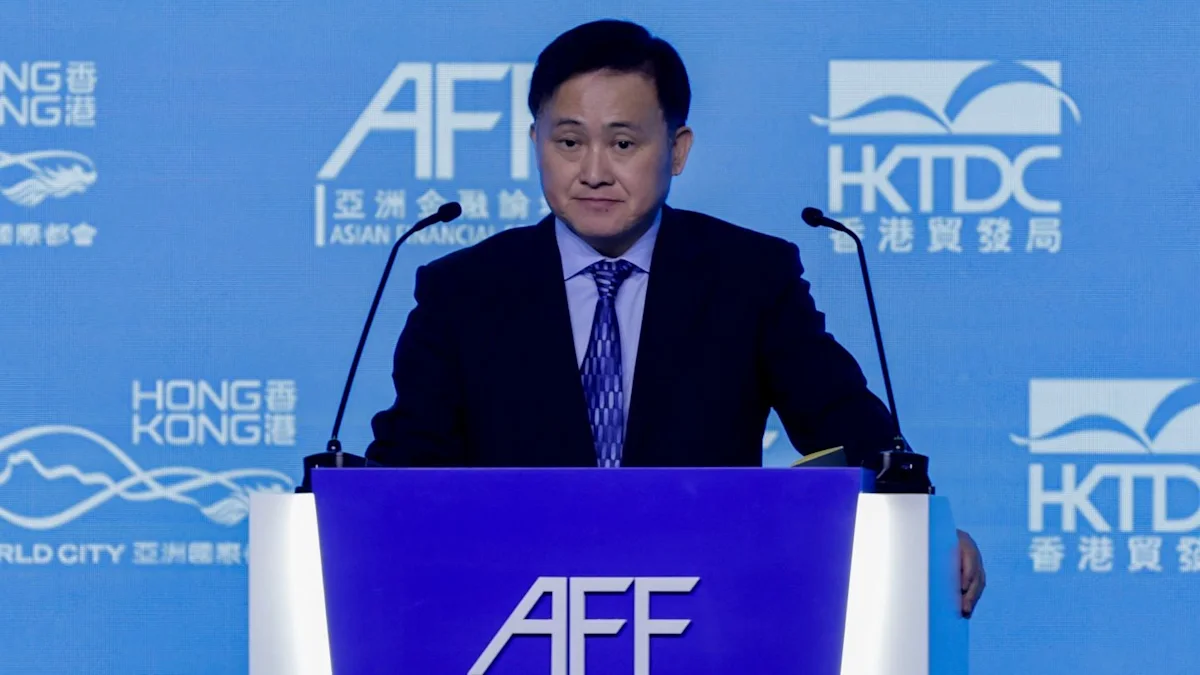
Pan Gongsheng, governor of China’s central bank, has committed to further opening the country’s financial markets, highlighting that yuan assets may offer diversification opportunities during a time of trade uncertainty, according to a report from Reuters. He pointed to geopolitical tensions, changes in the global economy, and advancements in artificial intelligence as factors that support the internationalization of the yuan.
Read More
In a statement from the People’s Bank of China (PBOC) made during the annual meetings of the International Monetary Fund and the World Bank, Pan emphasized that China's steady economic growth and rapid advancement of high-tech industries provide strong backing for renminbi (RMB) assets. The PBOC plans to expand risk management tools aimed at bolstering investment and financing.
As part of its ongoing efforts, China has been progressively opening its capital markets and promoting the yuan's international use, particularly in light of reduced confidence in dollar assets triggered by former U.S. President Donald Trump’s trade war and shifting foreign policies. The report also noted increased volatility in global financial markets, with investors questioning the earnings growth potential of companies heavily investing in AI amidst elevated borrowing costs.
Pan announced that the PBOC would strive to enhance the international acceptance of yuan bonds as eligible collateral and improve cross-border financial infrastructure. Additionally, there are developments regarding ownership regulations in the banking sector; in March, it was reported that Chinese regulators are evaluating whether to ease restrictions that currently limit major investors from holding significant stakes in multiple commercial banks. Presently, rules established in 2018 restrict any single investor from becoming a major shareholder, defined as holding at least 5%, in more than two commercial banks.