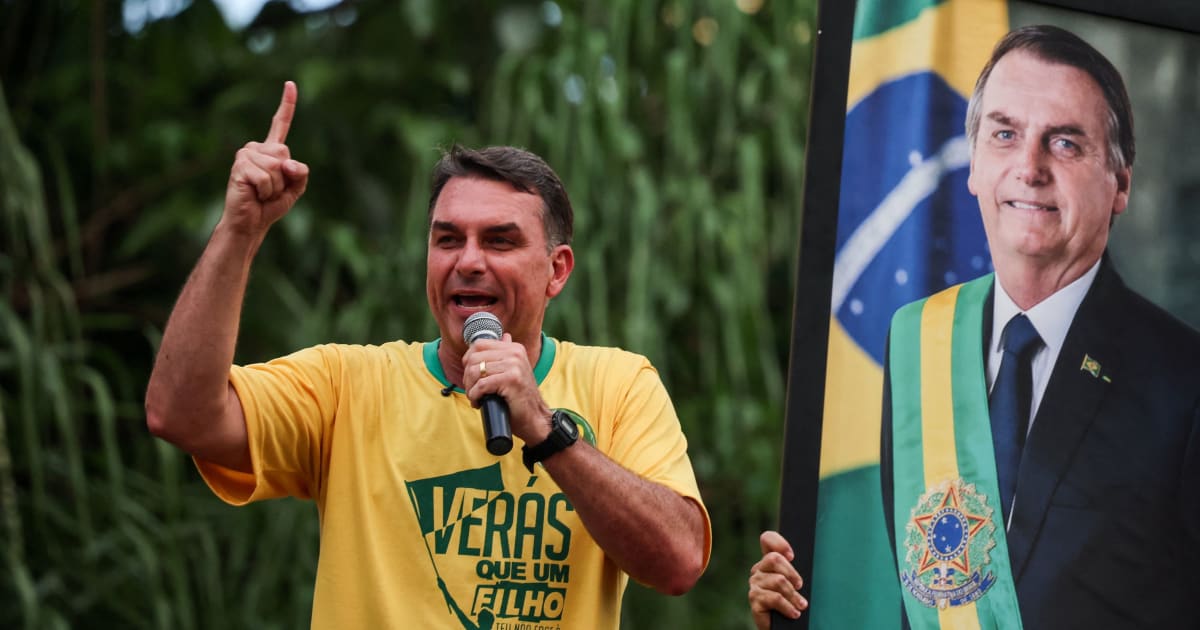
Experts are examining whether Senator Flávio Bolsonaro can fulfill his fiscal promises amid Brazil's upcoming presidential runoff on October 22, 2026. Investor sentiment in Brazil appears centered on fiscal policy, despite voter concerns about violence, health, and the economy, particularly rising living costs.
Read More
Flávio Bolsonaro, the eldest son of former President Jair Bolsonaro, has promised significant spending cuts to improve the country's debt situation while resisting cuts to social spending. Post-election market reactions suggest investor confidence in his ability to enact these changes, as evidenced by a strengthening Brazilian real, declining government bond yields, and tighter credit default swap spreads since the runoff on October 4.
In recent developments, Bolsonario overcame a three-point deficit in polling to surpass incumbent President Luiz Inácio Lula da Silva, bolstered by tough rhetoric on crime. Following the first round of elections, Brazil’s benchmark stock index, the Bovespa, rose by 7.7%, the real strengthened by over 4% against the U.S. dollar, and five-year credit default swap spreads fell to six-year lows.
Despite initial market optimism, skepticism remains regarding Bolsonaro's ability to deliver on austerity measures once in office. His federal budget proposal includes a nearly $40 billion adjustment focused heavily on spending cuts, but specifics on the expected savings or growth impact are lacking. Most of Brazil's expenditures are mandatory, limiting scope for substantial cuts.
Bolsonaro also faces challenges from other campaign promises aimed at stimulating economic growth. His platform includes significant infrastructure investments and tax reforms, raising questions about the feasibility of simultaneously enacting fiscal austerity.
Public pressure seems to complicate his fiscal agenda, as he has promised to maintain certain levels of social spending, including increasing pensions above inflation rates. Recently, endorsements from center-right parties may support his legislative goals but could also require compromises that dilute his reform ambitions.
Historically, populist leaders have often resorted to austerity only in response to crises. Comparatively, Brazil is not in a financial crisis now but failing to adhere to fiscal commitments could lead to negative economic consequences, including increased debt levels, higher yields, and a weaker currency, ultimately stifling growth and aggravating inflation.