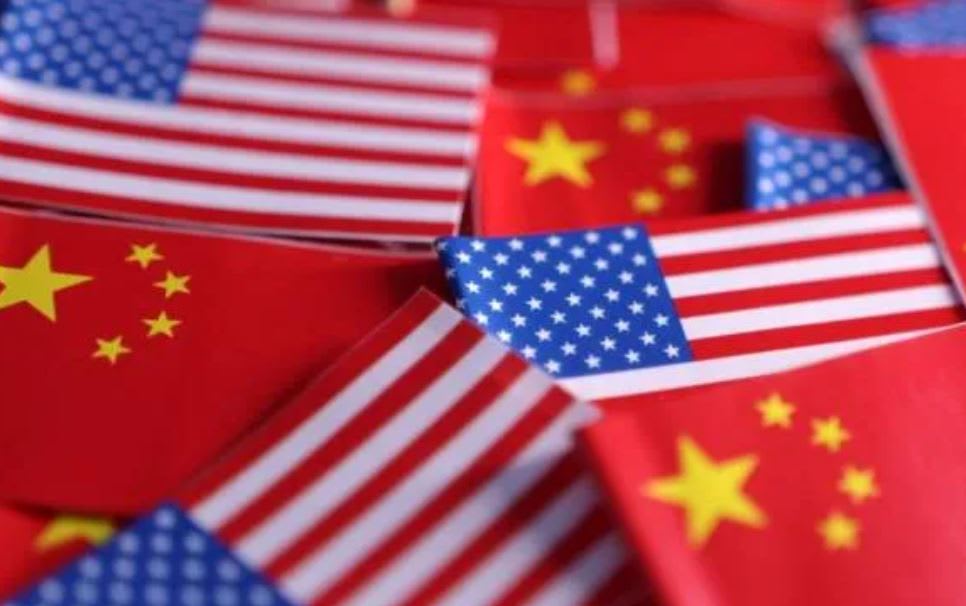
Senior economic teams from China and the United States convened in New York on Sunday for structured trade discussions aimed at stabilizing their bilateral relationship. The Chinese delegation was led by Vice Premier He Lifeng, while Treasury Secretary Scott Bessent and U.S. Trade Representative Jamieson Greer represented the United States. Both parties described the meeting as "candid, in-depth, and constructive," signaling a renewed commitment to dialogue amid sensitivities in global markets regarding the relationship between the two largest economies.
Read More
As reported by China's Xinhua News Agency, the talks were guided by a consensus from previous discussions between the nations' leaders and focused on three core principles: mutual respect, peaceful coexistence, and win-win collaboration. Delegates reviewed earlier agreements and addressed key economic and trade issues that extend beyond tariffs into the structural and technological realms defining the modern economy.
Li Chenggang, China’s International Trade Representative, confirmed to reporters that discussions had progressed smoothly with topics including artificial intelligence, trade, and investment on the agenda. He indicated that talks would continue on Monday, and he might personally participate in the upcoming negotiations. The inclusion of AI alongside traditional trade subjects highlights a shift toward economic relations defined not solely by goods but also by the technologies that influence future markets.
The evolving agenda reflects the reality of increasing technological competition between the U.S. and China. Washington has restricted exports of advanced chips and equipment due to national security concerns, while Beijing has boosted investment in domestic innovation to lessen dependency on foreign technology. These tensions can complicate supply chains, increase costs, and lead to conflicting regulatory landscapes for global firms, highlighting differing visions for global leadership.
Despite these challenges, both nations understand the high stakes involved in their economic relationship. China remains the largest trading partner for the U.S., with annual trade volumes exceeding hundreds of billions of dollars. A breakdown in this relationship could lead to increased consumer prices, stalled investments, and downward revisions in growth forecasts for economies reliant on demand from both countries. The repercussions can ripple through commodity markets, currency fluctuations, and global supply chains.
The New York meetings hold significance, as they are not meant to resolve all disputes but to maintain critical lines of communication to prevent misunderstandings from escalating. This ongoing dialogue, characterized by periodic summits and working talks, establishes a framework to manage competition without it spiraling out of control.
As delegations reconvene on Monday, expectations remain cautious. While specific areas such as agricultural purchases or climate finance may yield tangible agreements, broader structural challenges will continue to evolve. Maintaining conversation is paramount for global markets, regional allies, and the billions who depend on stable trade. The discussions underscore that both nations recognize the importance of communication, even amidst persistent differences concerning security, technology, and influence.