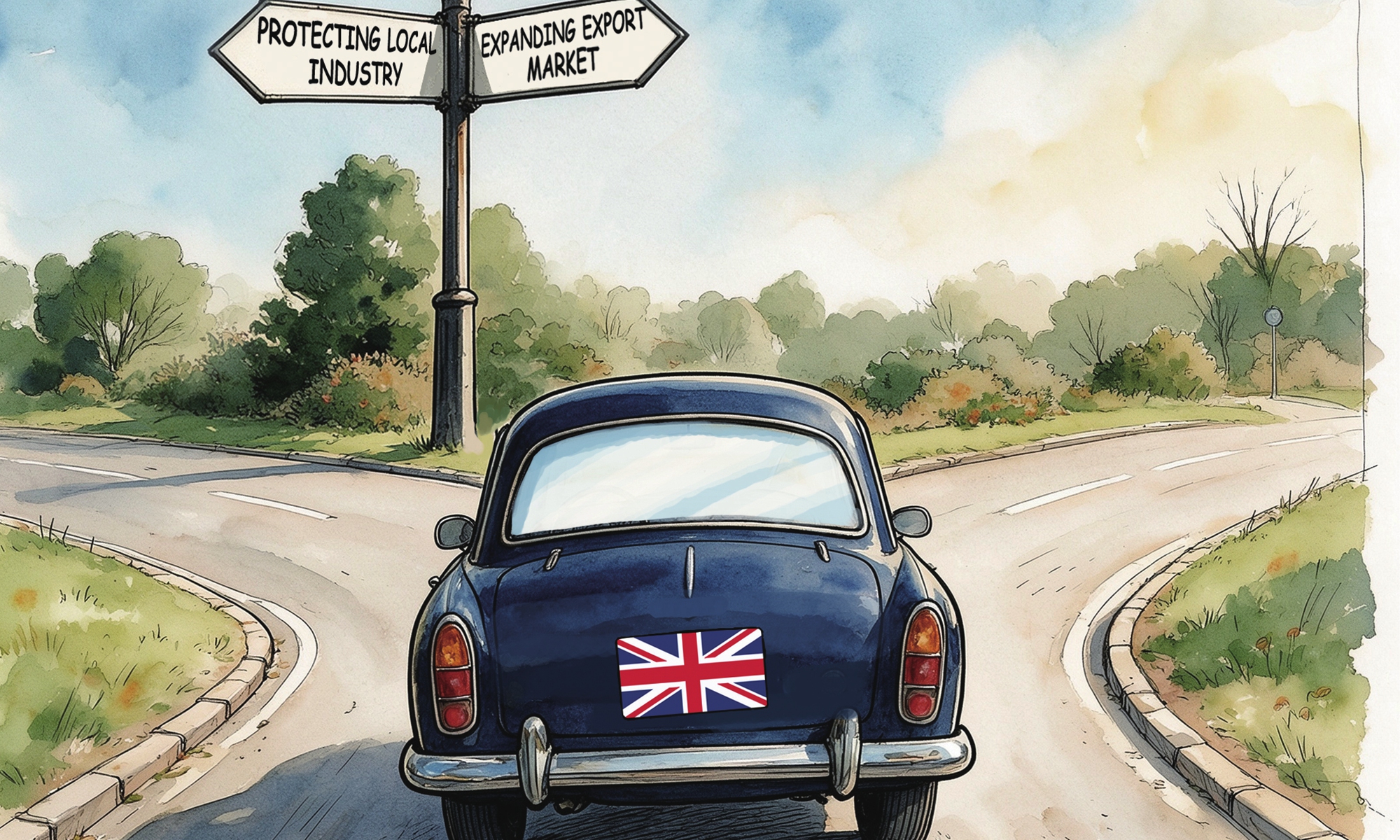
The UK's Trade Remedies Authority (TRA) has proposed imposing new anti-dumping measures on imports of rutile titanium dioxide from China. This move is intended to protect UK industry, but its economic implications may be more complex than that.
Read More
Rutile titanium dioxide serves as a key whitening agent, providing brightness and durability to various products, including coatings, plastics, and paper. The TRA highlights that the UK's titanium dioxide production supports hundreds of downstream businesses, indicating the material's significant role in the economy.
If the TRA's recommendation leads to increased duties on imports, downstream industries may face higher raw material costs. These expenses could cascade through the supply chain, ultimately impacting manufacturers who use titanium dioxide in their products. Thus, the anti-dumping measure, rather than safeguarding UK industry, could inadvertently harm it by raising costs across the manufacturing sector.
Although rutile titanium dioxide represents a minor portion of Britain's overall trade, this case illustrates the intricate trade challenges facing the UK. Pressure is mounting from external sources; for instance, following the EU's imposition of anti-dumping duties, Brussels announced plans to monitor UK exports of titanium dioxide to prevent circumvention of these measures.
Simultaneously, the UK remains focused on accessing overseas markets to enhance trade, which is essential for economic growth. Access to competitively priced imports is crucial for British businesses, allowing them to expand and improve productivity. The dynamics at play in UK trade policy reflect a tension between external pressures and the UK’s internal economic needs.
Post-Brexit, the UK has been actively pursuing trade agreements worldwide to broaden its trading network, thereby offering businesses more avenues for accessing markets and reducing trade barriers. China, as the UK's largest trade partner in Asia, represents significant potential for increasing imports, which could benefit British exporters.
The case of titanium dioxide underlines how trade barriers can inflate costs throughout the supply chain, affecting both downstream industries and the overall economy. As global trade becomes increasingly uncertain, reevaluating trade and industrial policies in light of domestic economic realities is essential for the UK to maintain competitive input costs and expand market access.