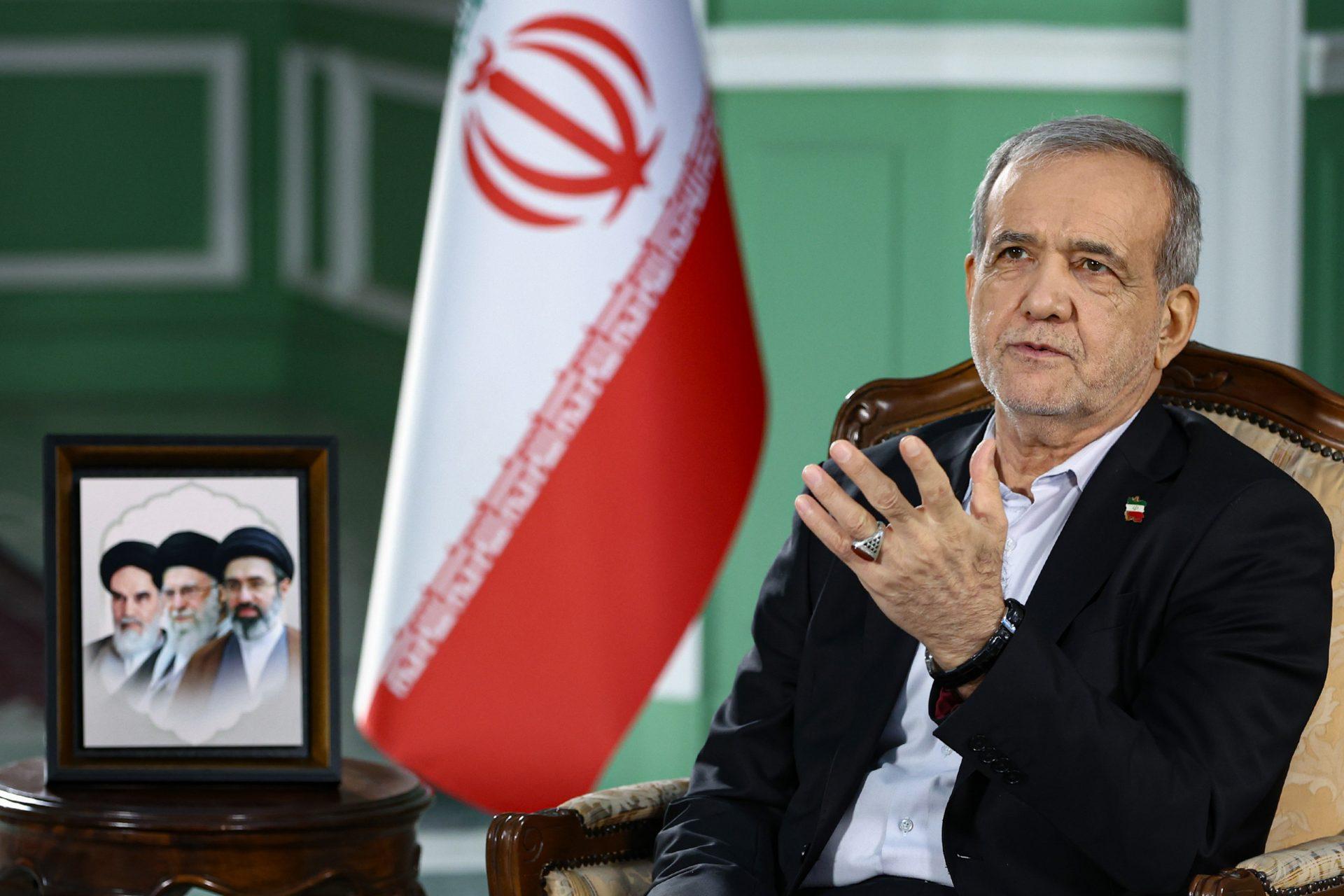
TEHRAN, Iran — Iran’s central bank governor, Abdolnaser Hemmati, stated that the country's economy has managed to withstand substantial U.S. economic pressure, contending that Washington has not caused the severe inflation and economic collapse it aimed for.
Read More
In a televised interview, Hemmati acknowledged the financial difficulties faced by Iranians but asserted that the Central Bank has mitigated the most significant threats from U.S. actions. He noted, "I am not talking about low inflation; I am talking about the fact that heavy, catastrophic inflation was supposed to happen, and this was one of America’s primary goals — a goal that Trump and his Treasury secretary repeat every day." He added, "Fortunately, this did not happen, and the Central Bank has a plan and is actively pursuing liquidity control."
Hemmati claimed that U.S. forecasts predicting Iran's imminent economic collapse have failed to materialize. "They planned to bring Iran to economic collapse within two weeks, claim victory, and leave. Now, nine months have passed," he said, referencing ongoing challenges. He further criticized ongoing U.S. claims about Iran’s economic state, stating, "Now they come and say that in another two weeks, Iran will collapse economically. Ten days have passed since that claim, and we are on the front lines of the economic war. We will give them the exact same answer: the result they want is the result they will get themselves."
Discussing the foreign exchange market in Iran, Hemmati mentioned that U.S. threats and sanctions contribute to psychological pressures affecting the economy. He explained that as inflation expectations rise, people tend to seek assets that protect against currency devaluation, leading to increased market demand. The Central Bank, he stated, has strategies to manage currency stability and counteract manufactured disturbances.
Hemmati also expressed confidence in Iran's resources to handle external pressures. He contrasted U.S. claims of depleted Iranian missile capabilities with ongoing missile production, asserting that similar claims regarding Iran's currency and financial health were unfounded.
These comments coincide with ongoing U.S. efforts under Operation Economic Outcast, launched in August to disrupt Iran's financial networks, oil revenues, and other economic channels. Recent sanctions have also targeted Iran-related military procurement and other industrial activities.
In a related development, former Iranian oil minister Mohsen Paknejad dismissed U.S. President Donald Trump’s assertions regarding his resignation, clarifying that it was unrelated to Trump's claims about Iran's economy. Paknejad referred to himself as "a soldier of the homeland" and emphasized that Iran's oil production and exports continued in spite of U.S. sanctions. He criticized the U.S. for making false claims, especially following Trump's suggestion that Iran's economy was in dire straits and that Paknejad had resigned due to a lack of resources.