Treasury Secretary Scott Bessent has called on Federal Reserve policymakers to maintain an "open mind" regarding interest rates. He argues that productivity gains from artificial intelligence and deregulation will contribute to keeping U.S. inflation in check, despite rising fuel costs associated with the Iran conflict, as reported by Bloomberg.
Read More
In an interview on Fox News, Bessent highlighted the strength of the U.S. economy under President Trump, attributing it to tax cuts and deregulation. He noted that elevated diesel and gasoline prices, driven by the ongoing conflict in Iran and attacks on Russian energy by Ukraine, are concerning ahead of the November midterm elections.
Bessent emphasized that Fed Chairman Kevin Warsh, appointed by Trump, is aware that the current economic growth could be as substantial as, or even more significant than, the gains experienced during Alan Greenspan's tenure in the 1990s. He referred to Greenspan’s willingness to allow the economy to grow during the tech boom, suggesting that the Federal Reserve should adopt a similarly flexible approach today.
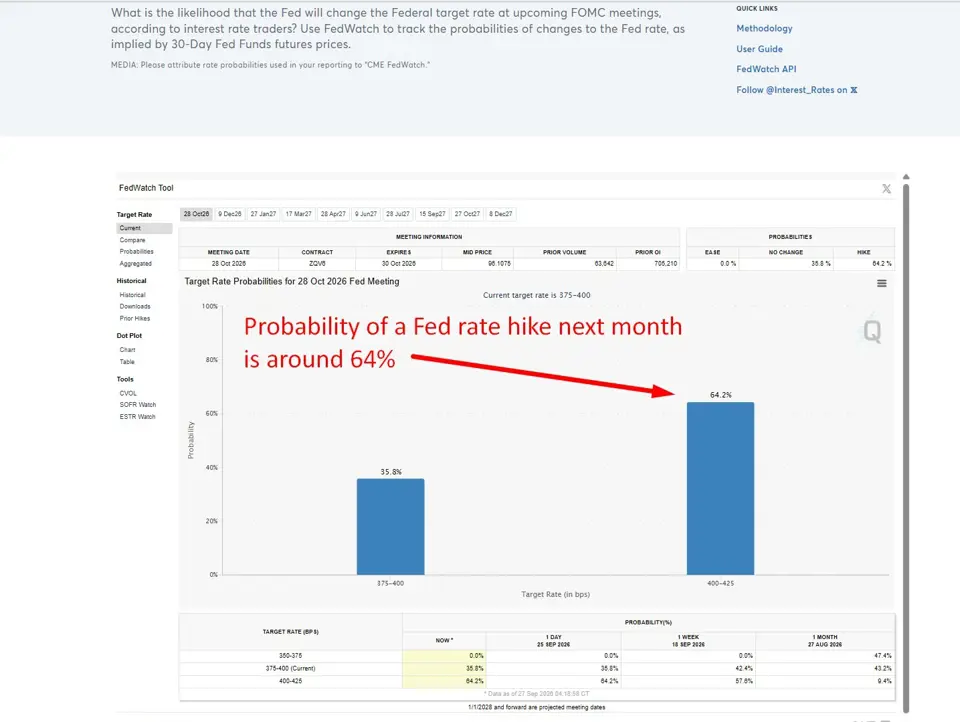
This appeal comes amid ongoing inflation debates, where rising diesel and gasoline prices have influenced global bond yields and U.S. price metrics. U.S. core consumer prices rose 0.3% in August, marking a 2.4% annual increase, according to data released on September 11. Shortly after, the Fed, under Warsh, raised its benchmark interest rate for the first time since 2023. However, Bessent described core inflation trends as "quiescent," suggesting they have eased in recent months and supporting his argument for the Fed to allow for faster economic growth.
Regarding China's involvement in the Iran situation, Bessent stated that Beijing has significantly reduced its support for Iran and predicted that approximately 15 million barrels of Iranian oil currently at sea would be delivered to China within about two weeks. After this period, he warned, China would no longer have access to Iranian crude, which could intensify pressure on Iran to negotiate a resolution concerning the Strait of Hormuz.