Since the beginning of the second Trump administration in January 2025, Black Americans have faced a significant jobs crisis characterized by rising unemployment rates and declining labor force participation. This situation, referred to by some economists as a "Black recession," stems largely from public sector layoffs and cutbacks in private sector jobs linked to reduced diversity, equity, and inclusion (DEI) initiatives.
Read More
The dismantling of these foundational structures jeopardizes access to education, job opportunities, and healthcare for individuals and families. The emerging political climate in the U.S., characterized by anti-DEI policies, threatens to widen economic disparities and undo progress made over previous decades. It highlights the urgent need for policies that specifically address the economic challenges faced by Black Americans and other communities of color.
Moreover, another looming jobs crisis is anticipated for Black Americans and other working-class individuals linked to international trade. Although Black Americans constitute nearly 14% of the U.S. population, they own only a small fraction of businesses — 3.3% overall and 2.3% of firms with employees. Many of these businesses operate in sectors such as transportation, warehousing, healthcare, and educational services, particularly in Southern cities like Fayetteville, North Carolina, and Memphis, Tennessee. The question remains whether the combination of anti-DEI policies and ongoing trade disputes is contributing to this new political disenfranchisement.
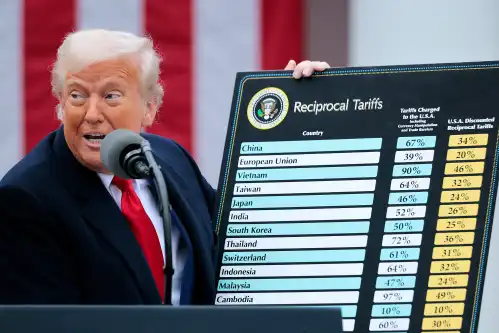
During Trump's presidency, trade policy has undergone significant changes. The administration has opted to impose tariffs rather than remove trade barriers, breaking from a nearly century-long tradition of fostering global trade relationships. Key targets of these tariffs have included China, Brazil, and Canada, with the latter being a crucial trading partner for the U.S.
Some tariffs were overturned by the Supreme Court during Trump's second term, but plans are in place to reinstate them. U.S. Trade Representative Jamieson Greer mentioned that tariffs were deemed necessary due to a perceived "emergency" in international trade, which threatens American manufacturing. This emergency also applies to numerous Section 232 cases filed at an accelerated pace.
Despite the administration's intention to stimulate economic growth by bringing manufacturing jobs back to the U.S., its tactics may endanger existing trade relationships and economic stability. For example, Trump has threatened tariffs on Canadian automobiles, exacerbating tensions between the neighboring countries and jeopardizing an integrated auto manufacturing market that has developed over decades.
The implications of these tariffs could extend far beyond the manufacturing sector, affecting consumer prices in food, clothing, and other goods, particularly as the midterm elections approach. Considerable price increases due to tariff volatility, combined with stagnant wages, contribute to a climate of dissatisfaction among voters.
Additionally, recent studies have shown that Trump's tariffs have led to reduced imports and increased prices, negatively impacting sectors such as transportation and retail, where many Black workers are employed. A decrease in international tourism has further affected the hospitality industry, which also employs a considerable number of Black individuals.
In contrast to the Trump administration's approach, the Biden administration has maintained some of the tariffs while pushing for investments in growing sectors like electric vehicles and infrastructure to create stability and job opportunities for Americans.
Local and state policies may offer immediate relief to the economic challenges posed by current federal policies. In 2026, nearly 90 jurisdictions are expected to raise minimum wages, potentially benefiting millions of lower-wage workers. Additionally, efforts to reform zoning laws are underway to increase housing production in response to rising costs for construction materials.
Given that federal solutions to trade-related job losses are unlikely in the near future, state and local advocacy may become essential. Workers might need to call for the restoration of training and assistance programs and encourage local leaders to foster economic security initiatives beneficial to workers.
Navigating the complexities of trade and its impact on employment requires a balance of skill and diplomacy, as opposed to the aggressive tariff policies employed by the Trump administration. Continuous awareness of these broader economic forces will be vital for Black workers seeking to secure their employment and livelihoods amid these challenges.