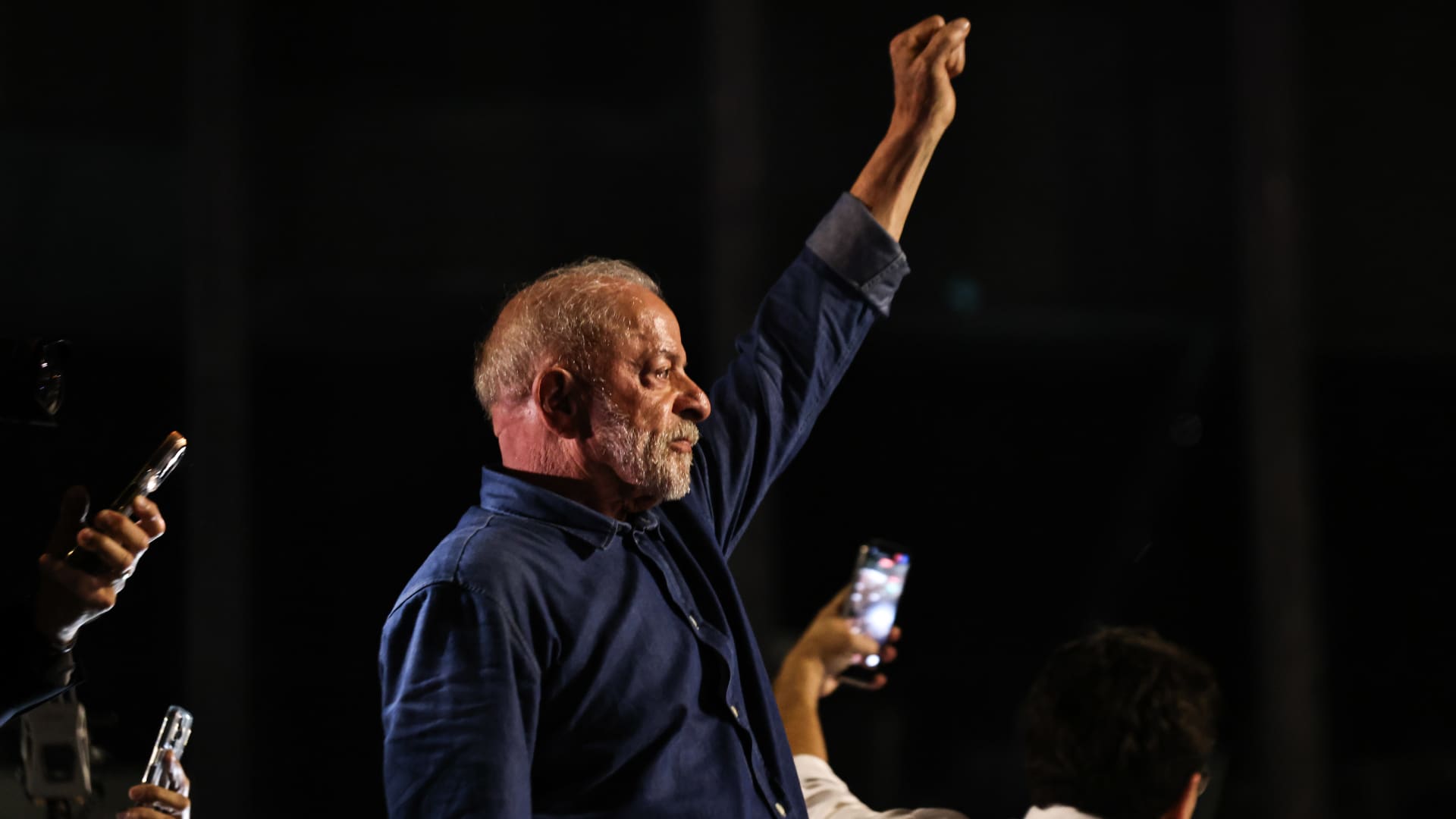
Luiz Inácio Lula da Silva’s unexpected re-election as Brazil’s president on October 25, 2026, has significant repercussions for the country's economy, with markets reacting sharply to the results. Following the election, Brazil's benchmark stock index fell by 13.9% on Monday, marking its steepest decline since the pandemic began, while the Brazilian real dropped nearly 8% against the U.S. dollar, the most dramatic fall since 1999. The yield on the country’s 10-year government bond rose by 2.46 percentage points, reaching its highest level in over a decade.
Read More
Lula, who resumed office on January 1, 2023, after previously serving from 2003 to 2011, now confronts multiple challenges, including a highly conservative Congress that is resistant to many of his proposed policies. His administration aims to address slow growth, high inflation, and rising interest rates by implementing costly measures favored by his supporter base. These measures include protecting existing benefits, increasing the minimum wage, expanding housing and education support, reducing taxes on essential food items, and shortening the workweek to 40 hours without reducing pay.
Analyst Rafael Ch from Signum Global Advisors emphasized that Lula’s ability to enact these policies will depend on balancing the demands of voters for improved household finances with the concerns of investors about rising public spending. Current market sentiments are wary of Brazil's increasing debt-to-GDP ratio, leading to expectations of higher premiums on bonds if government spending increases significantly.
In response to these concerns, the Brazilian Treasury canceled two planned bond auctions scheduled for that week due to fears about demand. Ch suggested that Lula will need to strategically reassure markets by signaling intentions to enhance the primary surplus for 2027, possibly through a constitutional amendment that expands spending freezes, alongside appointing a finance minister with a market-friendly approach.
There are questions about whether any fiscal restraint demonstrated by Lula will be short-lived. Elizabeth Johnson, managing director at TS Lombard, pointed out that Lula is facing a potential fiscal crisis of his own creation. She indicated that measures to calm the markets could include curbing civil service benefits, decreasing subsidized credit, and proposing a new “sin tax” on items like alcohol and cigarettes.
Johnson forecasted that Lula would likely push for modest fiscal reforms to avert a major fiscal crisis by 2027. However, investment director Russ Mould from AJ Bell noted that Brazilian stocks may still face challenges in the near term, emphasizing uncertainty regarding funding for Lula’s proposed welfare expenditures and debt relief for small businesses. Given the current economic climate, Mould warned that the 10-year bond yield is expected to rise, making Brazilian equities less appealing. The Ibovespa index, previously the best-performing major stock market index this year, may be influenced negatively by the recent political developments, particularly after initial optimism surrounding Bolsonaro’s expected victory.