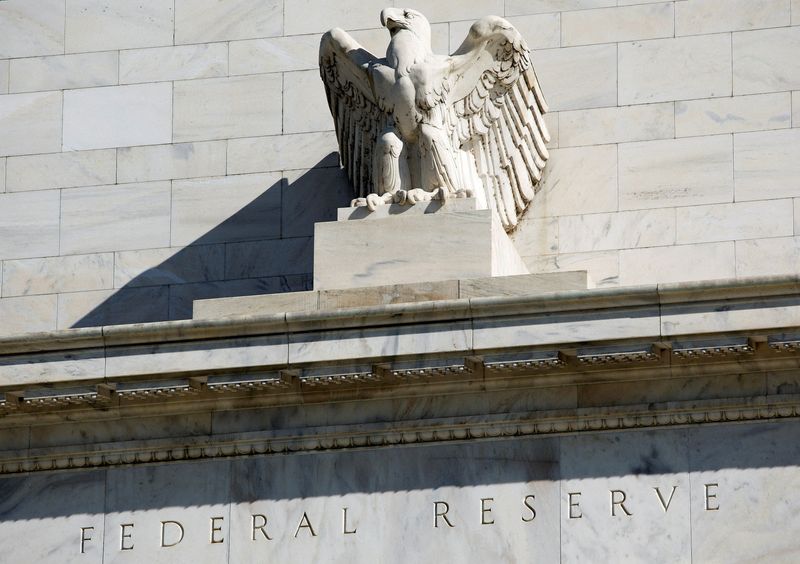
The Federal Reserve is set to overhaul its bank supervision framework, moving away from a model where regional bank presidents manage examinations. Instead, it will establish a structure more directly accountable to Washington, according to Michelle Bowman, the Fed's Vice Chair for Supervision.
Read More
Bowman announced this restructuring on October 6 during a conference at the St. Louis Fed, detailing plans to create five new geographic regions for bank supervision, each led by a designated "regional leader." Currently, policy for bank examinations is determined by Fed officials in Washington, while implementation is handled by the 12 regional Fed banks across the country.
In her remarks, Bowman pointed to an independent review of the collapse of Silicon Valley Bank, which she commissioned, noting that Fed examiners were slow to respond to emerging issues. She emphasized that the reorganization aims to enhance accountability and clarify decision-making authority within the supervisory function.
Under the new structure, the regional leaders will oversee all supervisory activities, although the actual work will still be executed by the staff at the regional Reserve Banks. Bowman criticized the current reliance on various committees for supervisory decisions, suggesting that this practice leads to delays and blurred responsibilities, which can hinder timely action when issues arise.
Since taking her regulatory role in 2025, Bowman has initiated extensive reforms, including changes in supervisory leadership, staff reductions, and new guidelines for examiners that prioritize material financial risks over minor procedural issues.
Bowman also announced plans for the Fed to consider updating asset thresholds later this year, which determine when banks are subject to stricter regulations. Reports previously indicated that the Fed intends to pursue this initiative, aiming to give banks greater flexibility before additional rules on capital, liquidity, and stress testing come into effect. The proposals will include adjusting fixed-dollar asset thresholds and establishing a mechanism to revise these thresholds every five years to reflect inflation and economic conditions.