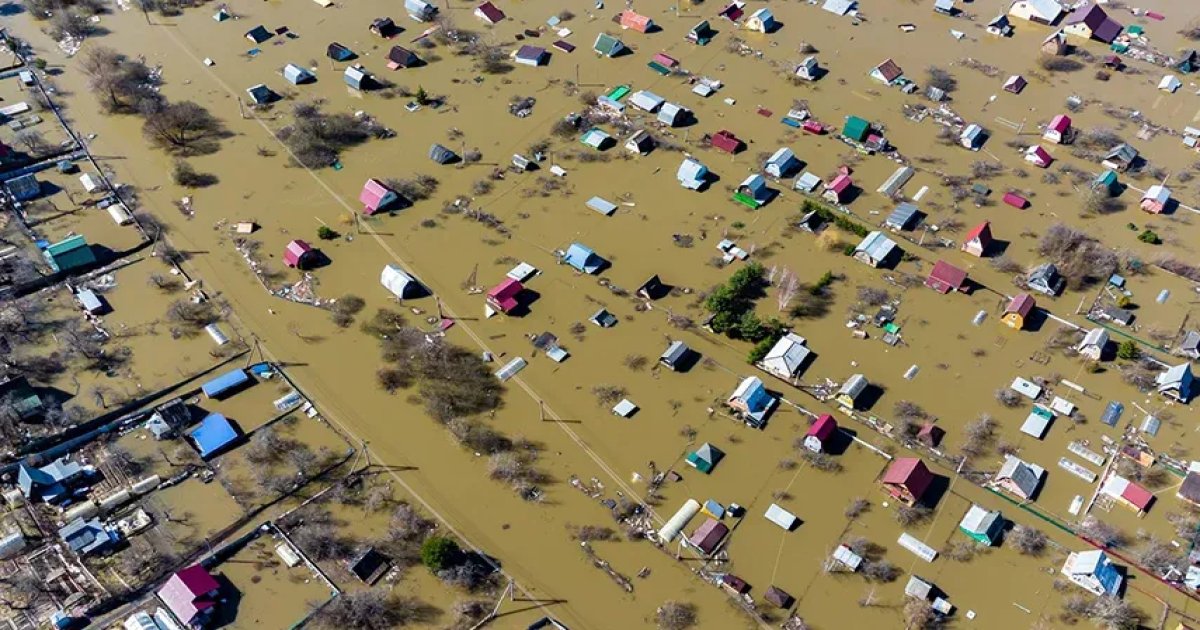
The Network for Greening the Financial System (NGFS) has indicated that banks may need to hold more capital for loans concentrated in high-emitting sectors and in flood-prone areas. This was detailed in an updated guide released on September 21, aimed at protecting financial stability amid climate risks. Key measures discussed include capital buffers for vulnerable loan exposures and potential adjustments to loan-to-value limits and down-payment requirements for certain green assets.
Read More
The guide emphasizes integrating insurance coverage into credit underwriting, prompting banks to evaluate insured assets and the risks associated with their potential loss without coverage. This approach reflects concerns that properties currently insured might not maintain their insurability during long-term mortgages, impacting borrowers and lenders alike.
In a separate development, the UK Financial Conduct Authority (FCA) has shifted towards internationally aligned sustainability reporting standards, releasing final rules on September 30 that allow companies the option to explain any missing climate disclosures rather than mandating them. These rules will take effect for accounting periods beginning January 1, 2027, with the first reports due in 2028. The FCA's decision considered factors such as reporting readiness and UK competitiveness, despite considerable support among investors for mandatory disclosures.
Financial challenges for small clean-energy projects were highlighted by Bank Negara Malaysia governor Abdul Rasheed Ghaffour on September 29, who noted that unfamiliar revenue models and structuring costs hinder access to bank financing even when projects are viable. The central bank is researching regulatory changes to enhance energy-transition financing and manage risks better.
On September 30, DBS and ING announced joint underwriting of a GBP 1.016 billion ($1.35 billion) loan to refurbish the One Spitalfields office in London, which will retain the building’s structure while aiming for high environmental certification. In an effort to mobilize funds for natural capital, Crédit Agricole has launched a new division combining project management and investment, starting with a focus on forestry and planning future expansions into water and biodiversity projects.
Internationally, development banks are refining how they report project financing to clarify private investments and institutional fundraising. This adjustment, endorsed by 30 multilateral banks on October 1, seeks to enhance transparency in financial activities.
In Japan, Sumitomo Mitsui Banking Corporation (SMBC) entered an agreement with Climate Bonds Initiative on September 25 to bolster adaptation finance efforts, focusing on how investments can mitigate climate vulnerability.
Shanghai Clearing House recently launched climate-change bond indices with a focus on issuers’ emissions intensity and climate actions, straying from simply relying on green-labeled bonds to assess investment risks.
Furthermore, a study by Urgewald released on September 30 revealed contrasting trends in coal financing between the UK and Malaysia, where UK banks increased financing significantly while Malaysian financing saw substantial reductions due to new restrictions.
Lastly, COP31 has selected five nations—Ethiopia, Fiji, Indonesia, Pakistan, and Uzbekistan—to participate in the Climate Implementation Bridge (BRIDGE) initiative aimed at aligning national climate and development priorities with ready-to-fund project portfolios.