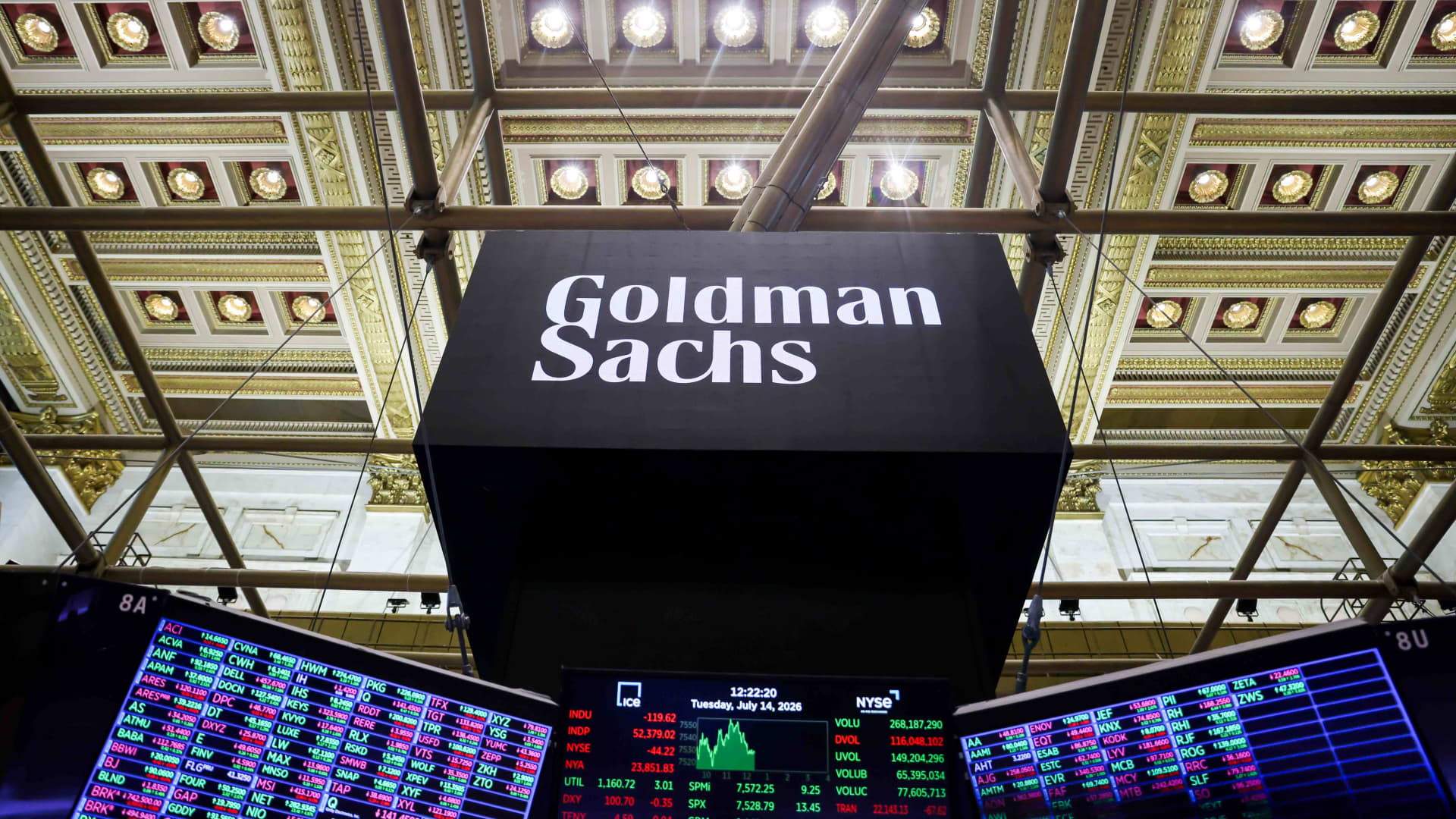
Trading in tokenized stocks is accelerating in international markets, despite pushback from significant U.S. companies including Goldman Sachs, Microsoft, and Alphabet. According to Bitwise Asset Management's latest quarterly report released on Tuesday, blockchain-based versions of traditional financial assets, such as equities, are experiencing increased trading activity. For instance, on the newly launched Robinhood Chain, tokenized stock trading volume jumped from $526 million in July to $2.21 billion in August, peaking at $11.31 billion in September. Non-crypto markets represented 36.5% of Hyperliquid's perpetuals volume, up from 32.7% the previous quarter. Additionally, tokenized equities emerged as the fastest-growing category on the Solana blockchain.
Read More
Despite the growth overseas, several major companies, including Caterpillar, McDonald's, CoreWeave, and UnitedHealth, have expressed their objections to having tokenized versions of their shares traded on the OKXICE platform, which is a collaboration between the OKX crypto exchange and Intercontinental Exchange, the parent company of the New York Stock Exchange. The objections were publicly disclosed by OKXICE on Monday.
This situation underscores a larger debate within the crypto industry regarding how to persuade companies of the benefits of tokenized stock trading. Tokenization—the process of creating digital representations of publicly traded securities on a blockchain—has gained traction as a means to enhance accessibility and liquidity for financial assets. However, it raises questions about the rights and privileges that should be afforded to token holders, particularly regarding voting rights.
The discussion gained prominence following a high-profile disagreement between the CEOs of Robinhood and AMC regarding Robinhood's stock-token model. Currently, trading of tokenized equities is predominantly overseas, with more options available to investors in those markets. However, anticipation is building regarding U.S. adoption following the SEC's introduction of an innovation exemption that allows companies to object to their shares being tokenized.
Mirza Uddin, COO of Injective, highlighted that trading activities abroad often involve price exposure through on-chain perpetual contracts and wrapped tokens that do not necessitate a company’s approval, differing from the U.S. framework that aims to have actual shares tokenized. He noted that companies like Goldman and Microsoft tend to see the risks without recognizing the potential benefits.
Analyst Owen Lau from ClearStreet remarked that many companies may not fully understand the advantages of tokenization but expects some to eventually support it due to potential benefits such as broader investor access, continuous trading hours, and increased visibility.
Andrew Cuomo, co-chairman of OKXICE, stated that the tokenization model was designed to allow companies to choose whether to participate and acknowledged the apprehension surrounding such a significant shift. As of Wednesday, 16 companies had formally objected to having their shares tokenized on OKXICE, indicating a cautious approach to this new asset class. Despite the resistance, there is discernible global demand for tokenized stocks, and the industry needs to clarify the advantages for issuers who opt in.