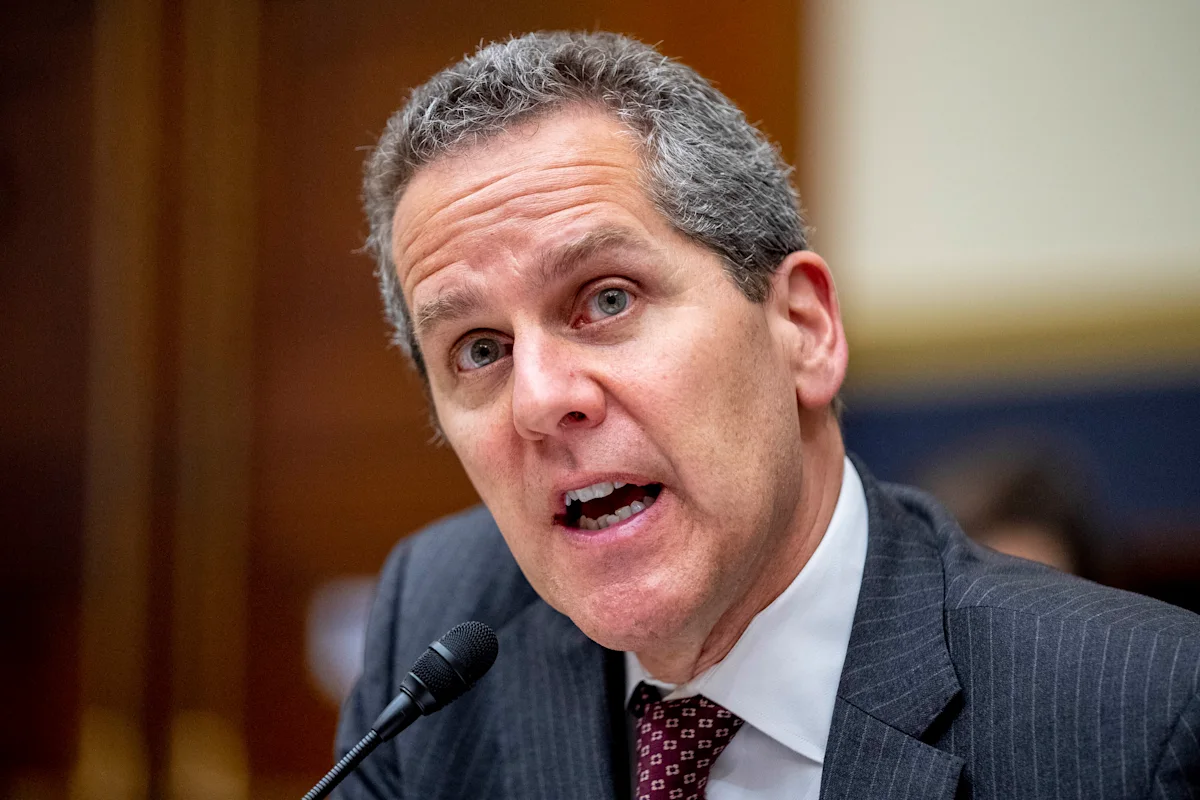
Federal Reserve governor Michael Barr stated on Wednesday that further interest rate increases are necessary to tackle persistent inflation. In a speech delivered in Chicago, Barr highlighted that additional policy adjustments are likely required to bring inflation down to the Fed's target of 2%. He noted that inflation remains above this target and isn't trending downward as desired. Furthermore, he indicated that risks associated with achieving the inflation target have grown, while those regarding the labor market have diminished.
Read More
Barr addressed various economic shocks over the past five years that have contributed to rising prices, including tariffs, the ongoing conflict in the Middle East, disruptions from Russia's war in Ukraine, and a recent surge in demand for investments to support advancements in artificial intelligence. He expressed support for the central bank’s rate hike from the previous week, describing the Fed as "out of position" due to the significant effects these shocks have had on the economy.
His remarks coincide with similar observations from other Fed officials. Richmond Fed president Tom Barkin stated on Tuesday that the supply-side shocks are not proving to be transient events, predicting that it will take time for their effects to lessen. He emphasized the implications of current elevated inflation levels for future inflation rates, citing the issue of being more than a percentage point above the target.
Chicago Fed president Austan Goolsbee echoed this sentiment in a speech on Monday, asserting that the situation does not align with previous patterns that suggested inflation would self-correct. He indicated the need for evidence that these shocks are receding before believing in a credible return to 2% inflation, suggesting that while demand-driven inflationary pressures might require fewer rate hikes, it will not be an easy process.