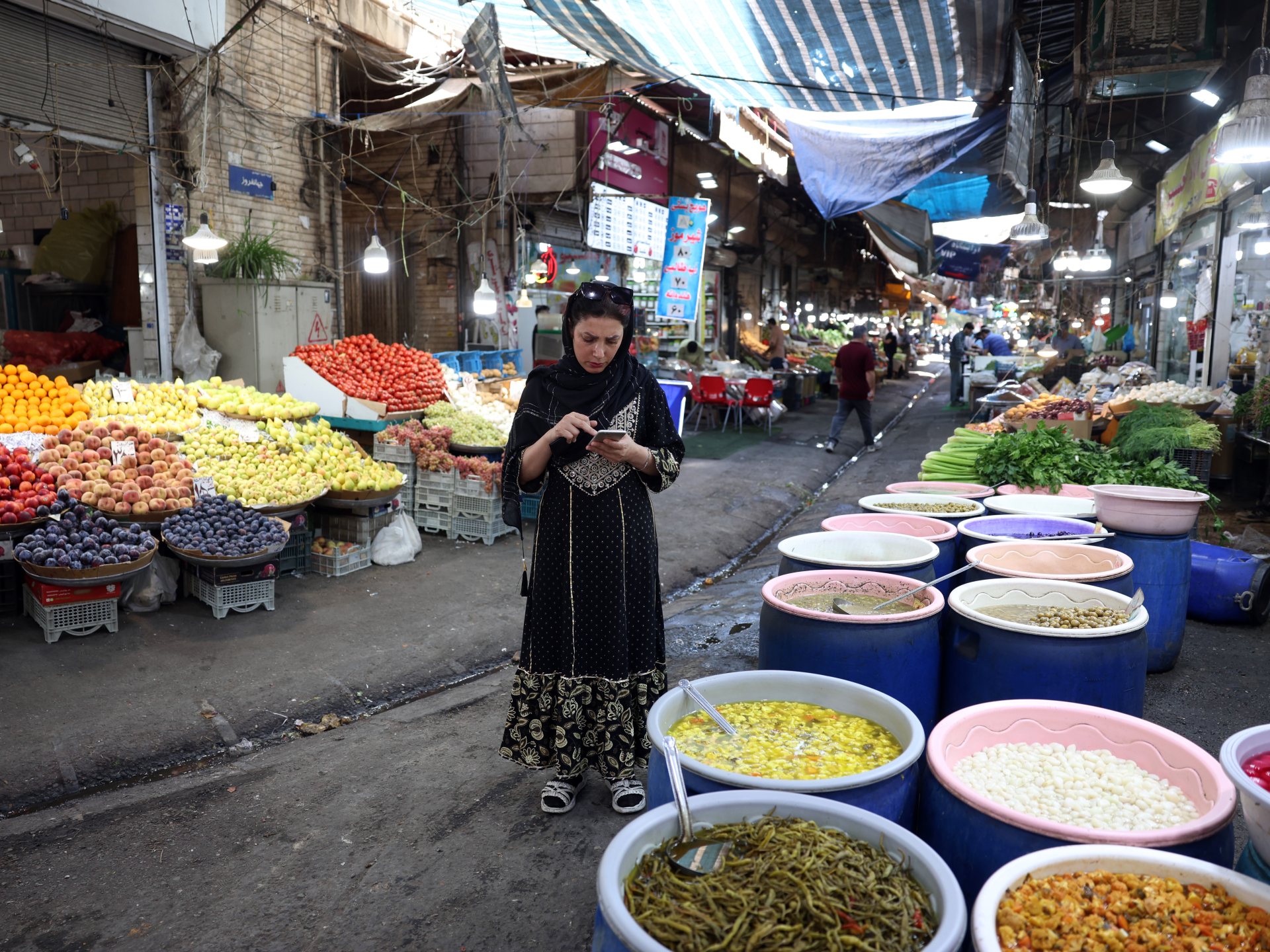
Iran's economy has experienced a significant contraction, with the oil and gas sector being especially hard hit, as the United States intensifies economic and military pressure on the country amid the ongoing US-Israel war. According to the Statistical Center of Iran, the gross domestic product (GDP) fell by 10.1 percent year-on-year during the first quarter of the Persian calendar, from March 21 to June 20. This decline coincides with the early months of the conflict, which began on February 28.
Read More
The sharp downturn has been linked to Iran's struggles to export oil, a vital source of foreign currency, compounded by soaring inflation, a devaluing rial, and disruptions affecting trade and industry. Particularly, the energy sector recorded a staggering contraction of 26.4 percent compared to the same period last year, while GDP excluding oil decreased by 4.6 percent. The broader economy showed declines across various sectors: industry and mining fell by 14.7 percent, services by 4.8 percent, and manufacturing by 2.5 percent. Agriculture, in contrast, managed a small growth of 2.3 percent.
Inflation rates have reached critical levels, with the 12-month average hitting 69.9 percent while food, beverage, and tobacco costs surged almost double that rate. Official unemployment also rose to 9.1 percent in the spring. The rial's exchange rate has deteriorated drastically, moving from about one million to over 2.2 million per US dollar since last year.
Iran's crude oil exports have been severely restricted due to a US naval blockade, with daily loadings plummeting from around two million barrels in March to approximately 740,000 in July, and further down to between 220,000 and 255,000 barrels in August, as reported by Kpler and Vortexa. Additionally, 29 tankers carrying 36.11 million barrels of crude remain trapped in the Strait of Hormuz. Estimates suggest total Iranian crude in circulation dropped from 135 million barrels at the end of July to 107 million by late August.
Trade has significantly contracted as well, with overall reductions estimated between 25 to 35 percent. President Masoud Pezeshkian highlighted that imports have been impacted more severely than exports due to the blockade, hindering vessels from reaching Iranian ports. Iran's security chief, Mohsen Rezaei, emphasized that economic relief is contingent on ending the war, including demands for the release of frozen funds and lifting the naval blockade.
In addition to these pressures, US Treasury Secretary Scott Bessent announced a sweeping economic campaign aimed at Iran’s financial interests globally, targeting all sources of revenue, primarily oil. The conflict has also disrupted trade relations with the UAE, which recently imposed an indefinite trade embargo on Iran.
Analysts note that the 10 percent decline in GDP indicates the efficacy of US pressure tactics against Iran, though the ultimate question remains whether Iran can endure the economic fallout better than the US can manage rising energy costs. Despite these challenges, Iranian officials continue to express openness to diplomatic solutions to resolve the war, with reported communications through Qatari mediators for peace negotiations.
The Iranian Foreign Minister's upcoming trip to New York for the UN General Assembly and ongoing discussions with Pakistan signify active diplomatic attempts amidst the conflict, highlighting the complexities involved in navigating this high-stakes situation.