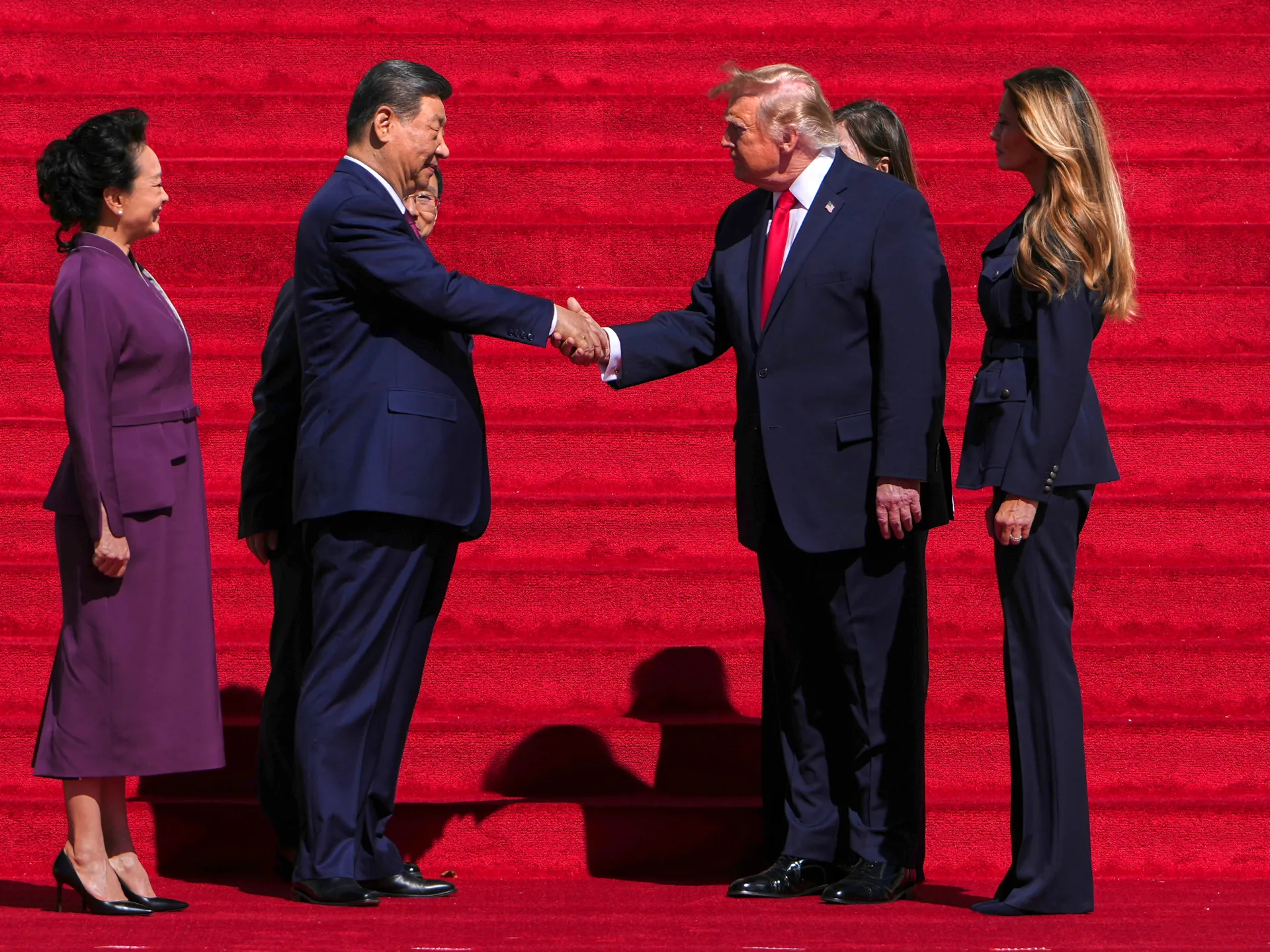
The United States and China have released a list of goods recommended for reduced tariffs after last week’s summit between Presidents Donald Trump and Xi Jinping. This development follows an agreement to work towards lowering tariffs on $60 billion worth of trade between the two nations.
Read More
The list, made public on Sunday, includes 77 Chinese products and over 1,600 US items that are identified for more favorable tariff treatment. Notable Chinese goods on the list include microwave ovens, fish hooks, artificial flowers, and weighing scales. In contrast, US exports proposed for lower tariffs feature poultry, dairy products, noodles, eggs, peanuts, canned tomatoes, purebred breeding horses, and silk.
US Trade Representative Jamieson Greer stated that the agreement could enhance market access for about 30 percent of US exports to China and offer advantages to American consumers. He emphasized that the Trump administration aims to pursue fair and balanced trade with China, focusing on compliance with commitments regarding agricultural and energy purchases.
Following the White House announcement, China’s Ministry of Commerce confirmed the list and expressed intentions to discuss a reciprocal tariff reduction framework totaling $30 billion for each side’s imports. The ministry noted that this initiative would help stabilize trade between China and the US, enhance conditions for exports, and fortify cooperation on agricultural, energy, manufactured, and consumer goods.
Despite the optimistic atmosphere surrounding the summit, the talks concluded with few specific outcomes addressing the broad divisions between the two superpowers, which include trade, artificial intelligence, and Taiwan. Trump and Xi have met three times since last October, with plans for further discussions at the Asia-Pacific Economic Cooperation (APEC) summit in Shenzhen, China, in November, and the Group of 20 gathering in Miami, Florida, in December.
Trade between the two nations has seen a significant decline since Trump took office in January 2021. According to the US Trade Representative, two-way trade reached $495 billion in 2025, a reduction of 25 percent compared to the previous year. Deborah Elms, head of trade policy at the Hinrich Foundation, commented that the recent announcement does not signal a significant change in US-China trade dynamics. While the tariff cuts might lower some prices for US consumers, they are not expected to have a noteworthy impact on inflation or consumer relief.