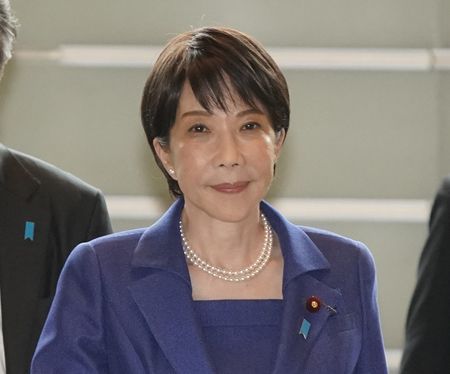
Tokyo, Oct. 20 (Jiji Press)--Japanese Prime Minister Sanae Takaichi is facing increasing pressure to manage debt levels and secure financial resources crucial for her economic initiatives. Since taking office a year ago, her economic policies have contributed to a weaker yen and rising bond yields, raising concerns among market participants.
Read More
Market observers are worried about Takaichi's approach, described as a "responsible and proactive fiscal policy," which is viewed as a preference for reflation through greater fiscal spending and monetary easing. The yen fell significantly, nearing 164 per dollar in late July, the lowest level in almost 39 years, compared to just above 151 yen when Takaichi assumed her post in October of the previous year.
Furthermore, the yield on 10-year government bonds surged to a 30-year high of 3.115 percent by late September, climbing from approximately 1.6 percent. In July, a draft of the government’s annual economic and fiscal policy guidelines was interpreted as a warning regarding the Bank of Japan's attempts to raise interest rates, leading to sell-offs in government bonds.
U.S. Treasury Secretary Scott Bessent expressed growing concern that the pressure on Japan's currency and government bonds might result in a sell-off of U.S. Treasury securities. This led to a joint market intervention between Japan and the U.S. at the end of July, marking the first such collaboration in 28 years to support the yen.