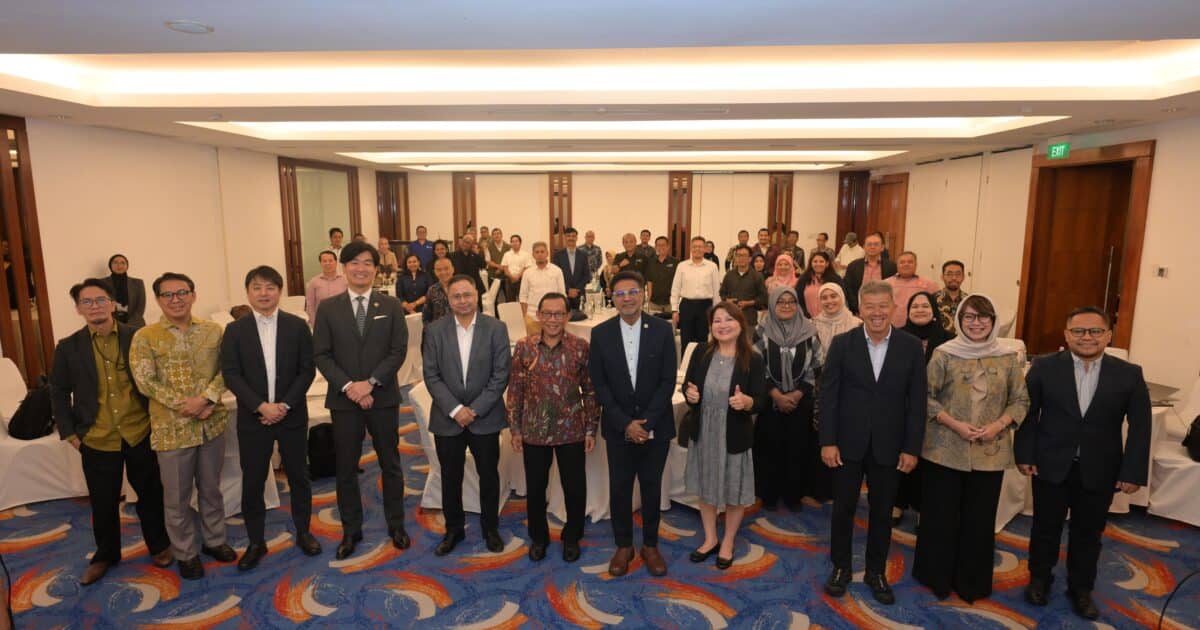
On October 6, a dialogue focused on the digital transformation in banking was co-organized by UNI Global Union and the ASEAN Bank Unions Council in Jakarta. The event aimed to bring together Indonesian bank unions, regulators, government representatives, employers, bank management, and academics to discuss the role of workers in this transition.
Read More
Research presented during the seminar, conducted by Dr. Riani Rachmawati from the University of Indonesia and commissioned by UNI Asia & Pacific, revealed that while all five banks studied had implemented upskilling initiatives and policies to prevent layoffs due to digital changes, workers still felt job insecurity and stress. Many frontline roles were shifting towards marketing and sales, which were unfamiliar to the employees involved.
Speakers at the event endorsed the use of technology to enhance efficiency and customer service. However, they emphasized the necessity of preparing and consulting workers prior to implementing major changes. Indarto Budiwitono of Indonesia’s Financial Services Authority highlighted the importance of mapping new roles, identifying transferable skills, and providing reskilling opportunities, along with the need for human oversight and cybersecurity.
Arief Adhi Sanjaya from Bank Syariah Indonesia noted that the automation of tasks does not equate to the elimination of entire jobs, as human workers remain essential for managing complex cases and fostering customer relationships. Discussions also covered topics such as paid learning time, psychological health, and the importance of dialogue between banks and unions prior to introducing new systems.
Bindu Patel, General Secretary of AMCO Malaysia, called for the establishment of joint bank-union committees to oversee digital transformation efforts, stating that unions should be considered partners due to their understanding of operational needs and customer expectations.
Jayasri Priyalal, Regional Director of UNI Asia & Pacific, expressed the need for lifelong learning, increased union bargaining power, and protections relating to workload and work-life balance.
Rajendra Acharya, Regional Secretary of UNI Asia & Pacific, remarked that the Jakarta dialogue sent a clear message that Indonesia’s banking sector could embrace digital changes without sidelining workers. He stressed the need for access to training and a voice in decisions affecting workers’ jobs.
While the seminar did not adopt a formal model for managing digital transformation, it showed support for early worker involvement, continuous learning, and oversight of artificial intelligence in banking. The outcomes of the dialogue will guide future meetings of the ASEAN Bank Unions Council and the UNI Asia & Pacific Finance Steering Group, helping to inform regional approaches to workers’ rights in the context of ongoing digital advancements.