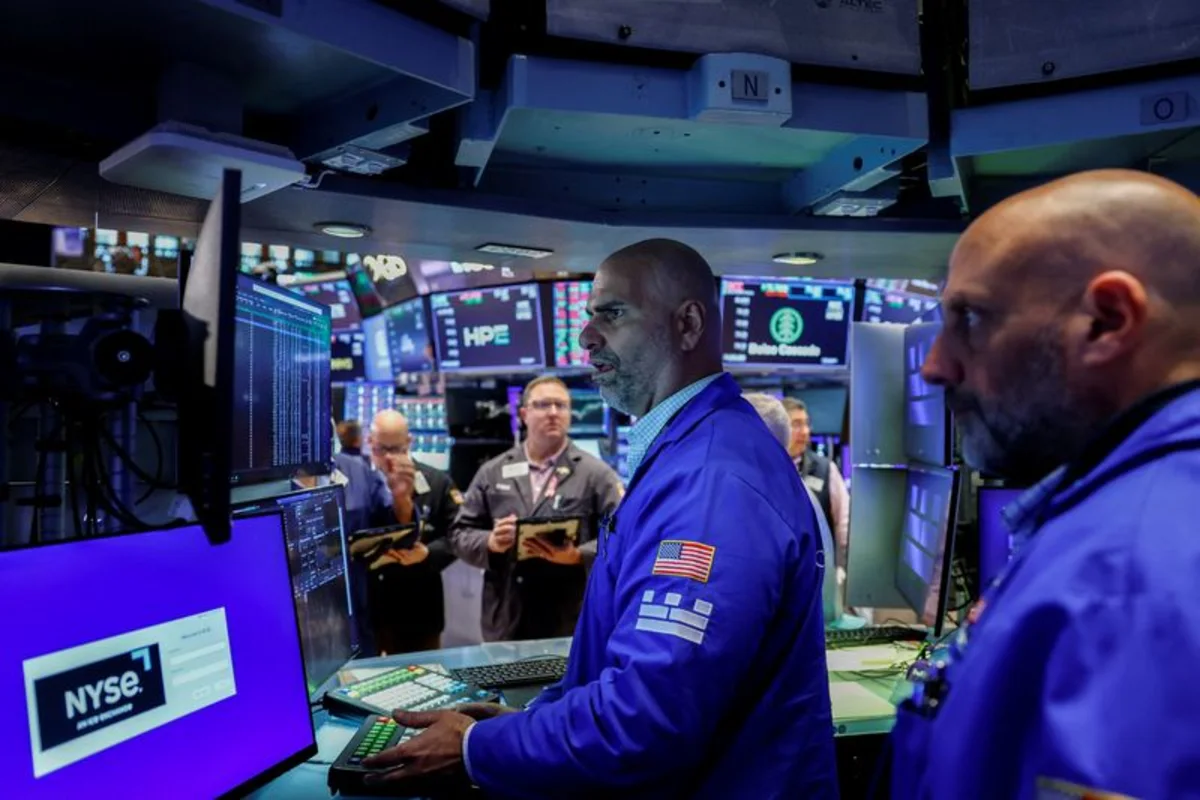
The Nasdaq Composite closed at a record high on September 21, driven by significant gains in chipmakers, particularly Advanced Micro Devices (AMD), which rose 10% and achieved a market capitalization of $1 trillion for the first time. Other notable gains included Intel and Arm Holdings, both surging over 12%, while the PHLX semiconductor index jumped 4.3%.
Read More
The increase in stocks was further supported by falling oil prices and declining long-dated Treasury yields, enhancing risk sentiment among investors. The Nasdaq rose 2.26%, marking its first record close since June 2, while the S&P 500 gained 1.49%, approaching its own record high. The Dow Jones Industrial Average increased by 0.71%. Globally, MSCI's All-World index saw an uptick of 1.31%, with European shares also rallying by 1.02%.
Despite expectations of additional rate hikes from central banks worldwide, risk appetite remains strong, as highlighted by Seema Shah, chief global strategist at Principal Asset Management. She noted that while synchronized rate hikes have raised concerns about risk assets, equities continue to perform well, particularly due to strong earnings growth. Shah emphasized that central banks are raising rates to combat inflation, which suggests that tightening will be moderate and manageable, limiting negative impacts on earnings and the overall bull market.
In the bond market, two-year U.S. Treasury yields rose by 0.75 of a basis point to 4.751%, while benchmark 10-year yields fell by 4.5 basis points to 4.951%. Following hawkish guidance from the Federal Reserve, futures indicate a 55% probability of another rate hike in October and a 91% chance by the end of the year.
Additionally, concerns over inflation and long-term government finances impacted French debt last week, pushing its risk premium to the highest level since the 2012 eurozone debt crisis. However, yields decreased on Monday as oil prices fell, with German 10-year yields down 6 basis points to 3.462% and French 10-year yields 9 basis points lower at 4.474%.
Oil futures also retreated amid ongoing tensions between Iran and the United States, as well as attacks in Saudi Arabia.