In October 2025, Kanangwa Newlove stood amidst her struggling 10-acre farm near Lusaka, Zambia, witnessing the deterioration of her once-thriving crops due to ongoing electricity shortages. The spinach, tomatoes, and other vegetables wilted in the heat, forcing her to feed some of her organic produce to pigs instead. “The crops that suffered the most without water were our mainstay,” Newlove explained to a reporter from the International Consortium of Investigative Journalists (ICIJ). The farm required nearly 8,000 gallons of water regularly, but persistent blackouts since March 2024 severely limited electricity supply, making it impossible to operate borehole pumps. Newlove described some days having only four hours of power, complicating her efforts to refrigerate her produce and maintain operations.
Read More
Zambia's rolling blackouts were a result of "load shedding," a strategy implemented by state-owned ZESCO to manage energy demands more effectively. However, Newlove criticized the inconsistent load shedding schedules that made it challenging to plan her agricultural activities. As the power situation worsened, she faced the possibility of closing her farm, a venture she had built with dedication over the past decade.
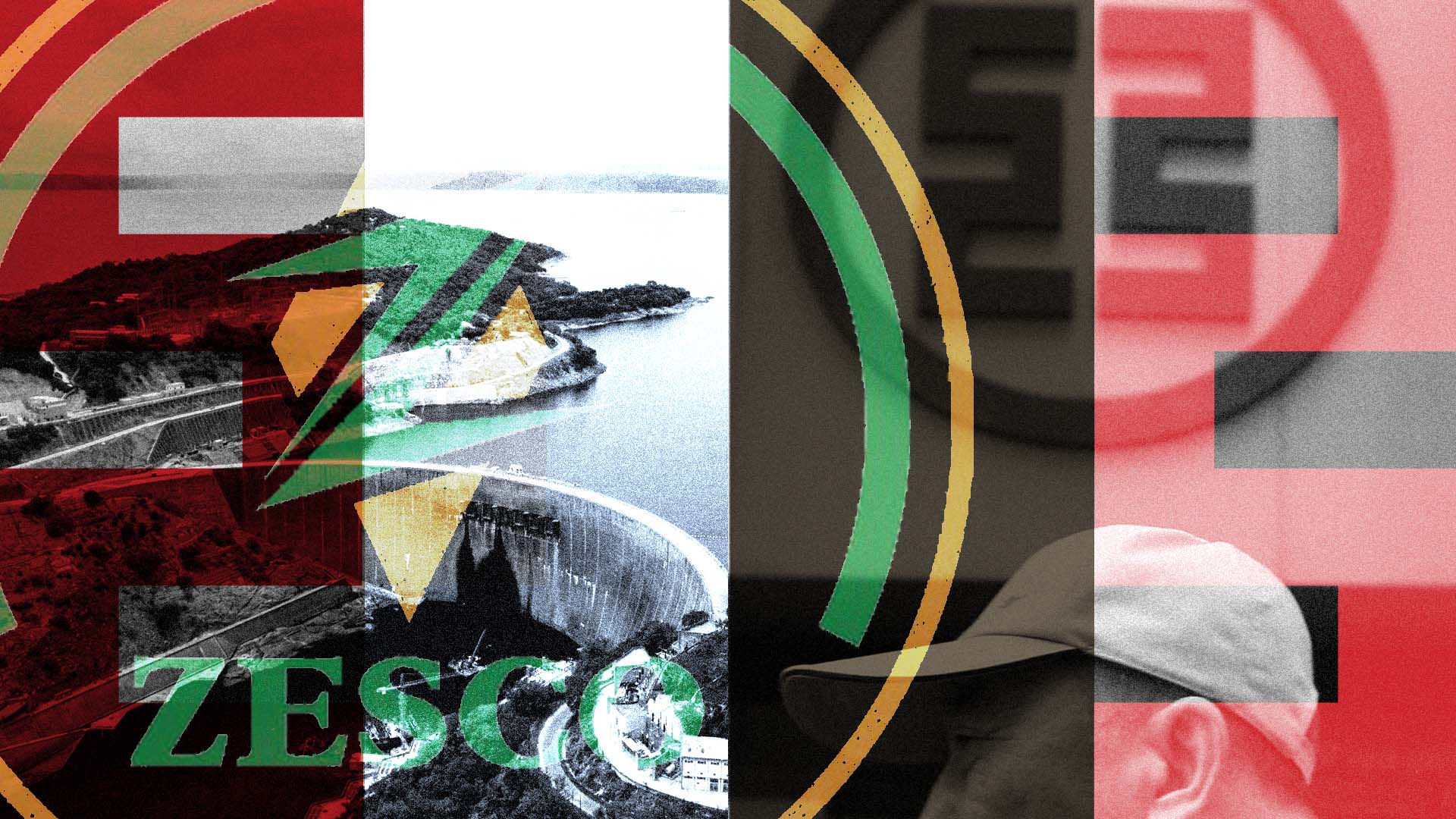
Along with her, many small business owners in Zambia experienced similar hardships amidst a combination of environmental and economic shocks exacerbated by the country’s longstanding financial troubles. Zambia, where about 60% of the population lives in poverty, heavily relies on hydropower. A significant drought in 2024 emptied local dams, forcing ZESCO to ration its electricity supply. This financial strain on ZESCO was compounded by its long-term debt, including a $285 million loan from the Industrial and Commercial Bank of China (ICBC) secured in 2011, which has become increasingly burdensome over the years.
ZESCO's financial mismanagement left it ill-prepared for the drought, and documents shared by ICIJ indicate that ICBC adopted aggressive recovery tactics for the debt amid rising struggles for ZESCO. The organization had accumulated more debt from various Chinese creditors, paralleling Zambia’s status as a heavily indebted nation and the first in Africa to default on sovereign debt during the COVID-19 pandemic.
The investigation indicates that Chinese lenders, along with government partnerships in Zambia, facilitated the accumulation of debt that burdened small businesses like Newlove's farm. The relationship between Zambia’s government and Chinese financial institutions was characterized by high-risk loans that often did not align with the economic realities of the country.
Zambia’s economy showed initial promise in 2011 when it secured the $285 million loan with a positive outlook bolstered by rising copper demand. However, political and economic decisions, including increased borrowing to fund infrastructure projects, led to a series of ineffective investments and inflated costs.
The effects of these financial decisions were severe. By 2016, as Zambia continued to borrow aggressively, changes in copper prices and overall economic instability led rating agencies to downgrade Zambia’s financial standing. While the desire for development was strong, the trajectory often benefited political elites at the expense of broader economic health.
ZESCO’s challenges came into sharp focus when it became difficult to repay loans due to reduced electricity revenue. As it struggled to meet financial commitments, including paying contractors and service providers, mounting debt led to economic distress for Zambians. Inflation soared, and the national currency lost value, burdening ordinary citizens in their day-to-day lives.
As businesses struggled under the weight of high operational costs and electricity outages, Newlove reflected on how the crisis forced her to adopt alternative energy sources, such as solar panels, out of necessity. Despite the turmoil, she managed to keep her farm operational, contrasting with many colleagues who had to shut down their enterprises. While she has found ways to navigate the challenges, the path forward remains uncertain for many Zambians affected by the intersecting crises of debt, drought, and economic instability.