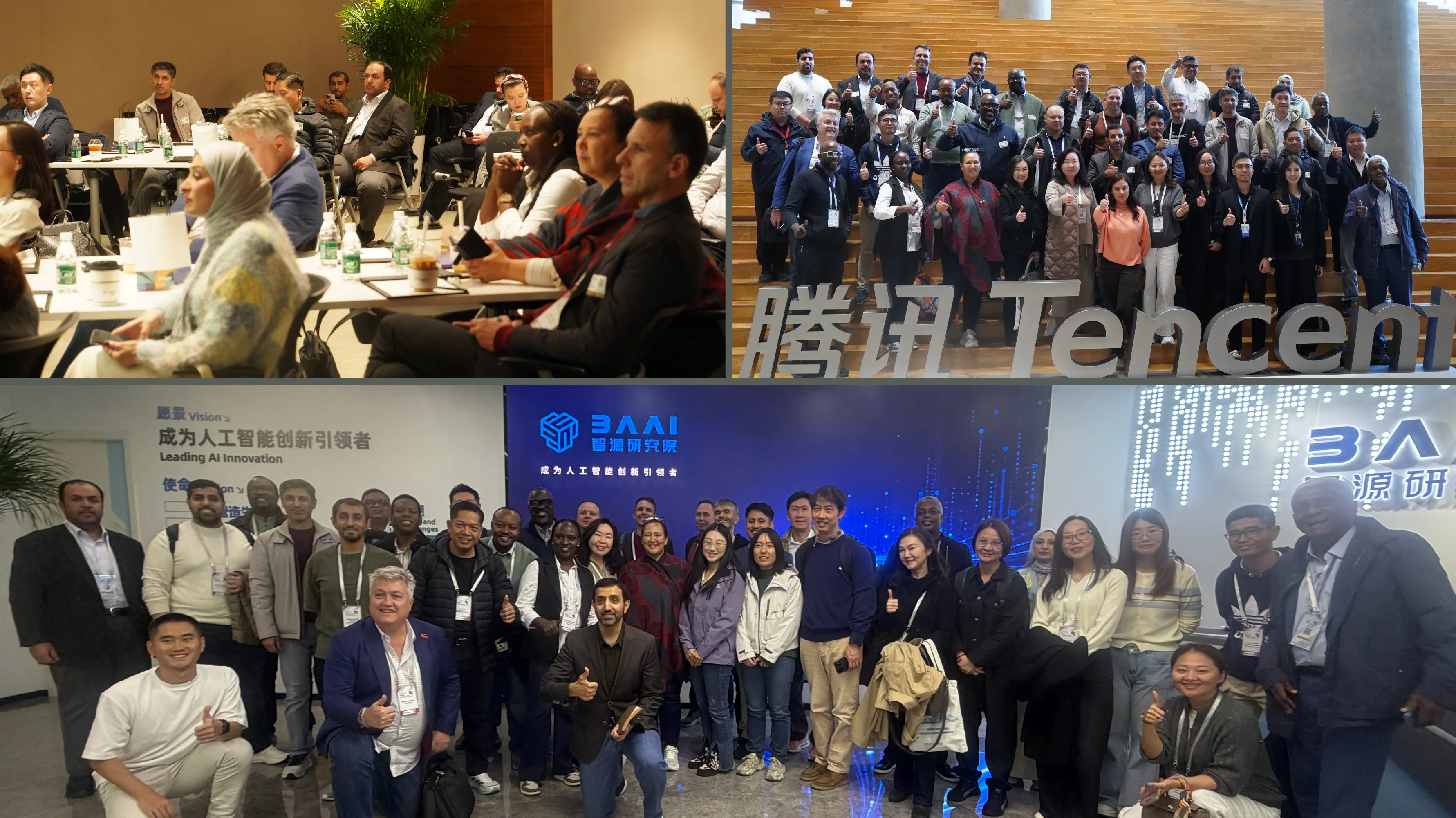
Research into autonomous AI and manipulated facial video presented significant challenges for banks during the third day of The Asian Banker Beijing AI Innovation Study Tour 2026. Delegates from various institutions learned about model evaluation and risks associated with digital identity verification at the Beijing Academy of Artificial Intelligence (BAAI) and Tencent.
Read More
BAAI's research focused on the evaluation of AI models and the potential pitfalls that come with deploying these systems. The organization noted that even comprehensive testing might not anticipate all failures once a model is operational. Advances in AI also enable fraudsters to find more sophisticated ways to manipulate identity checks and devices, raising concerns about both model reliability and digital security.
During the visit to BAAI, which is a non-profit research institution founded in 2018, delegates discussed topics such as embodied intelligence and open-source infrastructures. BAAI is exploring how AI systems can understand and adapt to unfamiliar environments, moving beyond simple task automation. One notable discussion involved the contingencies for handling unexpected errors during robotic operations, prompting questions about emergency protocols.
Despite advancements, BAAI acknowledged that many of their broader capabilities remain in the research phase, complicating assessments regarding the commercial viability of their technology. The organization emphasized the importance of independent evaluation for AI systems, cautioning that high benchmark scores do not guarantee reliability in specific banking contexts.
In contrast, Tencent's presentation focused on the vulnerabilities in digital identity verification linked to the use of synthetic media. Tencent showcased a simulated attack where an AI-generated facial video successfully evaded biometric checks in approximately 22 seconds. This example highlighted the insufficiency of traditional facial recognition methods, emphasizing the need for a multifaceted security approach that integrates biometric checks with device integrity assessments.
The implications for banks are significant, particularly when considering remote onboarding and high-risk transactions. It's no longer adequate to rely solely on facial-matching results; banks must also evaluate the authenticity of the person represented.
Furthermore, Tencent extended its security measures to include monitoring mobile applications and device behavior to preemptively identify suspicious activities. This approach aims to mitigate risks associated with social-engineering attacks that exploit customer devices even after successful identity verification.
Additionally, Tencent emphasized a new workflow designed to minimize document manipulation in digital lending. By retrieving data through controlled connections rather than accepting documents that could be altered, this method reduces fraudulent opportunities. However, operational differences across markets pose challenges for implementation.
The discussions at both BAAI and Tencent underscored the necessity for banks to adopt a collective view of risk assessment that encompasses identity validation, device integrity, and model performance. Banks are advised to distinguish between experimental systems and those ready for real-world application, focusing on the reliability of performance under varying conditions.
As AI technology advances, banks will need to balance its benefits against the risks it may present, requiring comprehensive testing and robust interventions to ensure security and reliability in rapidly evolving digital interactions.