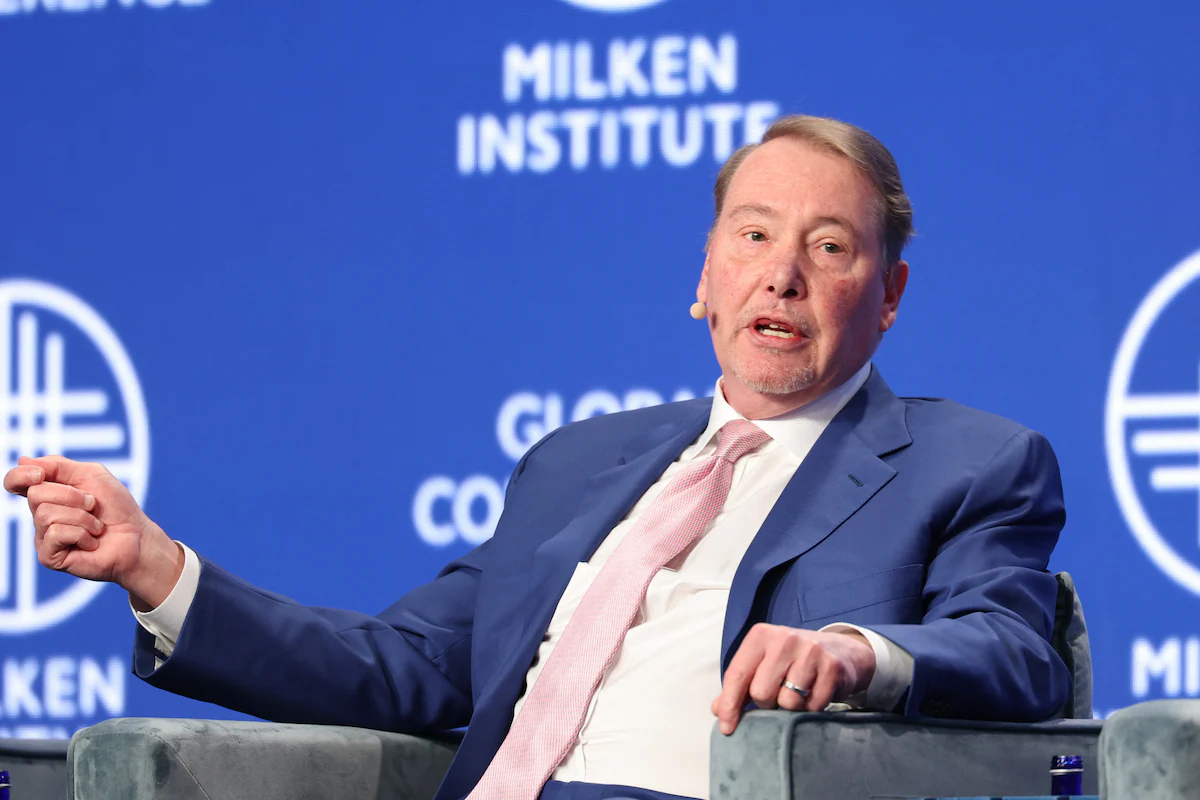
Jeffrey Gundlach, CEO of DoubleLine Capital, cautioned that the U.S. stock market is facing significant hidden risks, despite major indexes nearing all-time highs. During a recent webcast, he compared the S&P 500 to a seemingly healthy but diseased maple tree, indicating underlying issues that are not immediately visible.
Read More
At an event in Toronto hosted by economist David Rosenberg, Gundlach noted that 440 of the 500 stocks within the S&P 500 have experienced declines of over 21 percent from their recent peaks. He emphasized that there is a growing recognition that market conditions are not as favorable as they appear, even though technology and AI stocks continue to show resilience. The S&P 500 is currently down approximately 1.9 percent from its record high reached on August 13.
Gundlach described the recent extreme optimism surrounding artificial intelligence as having reached “peak lunacy,” with rapidly shifting expectations creating a pessimistic outlook. He pointed to alarming narratives suggesting AI could have catastrophic consequences by 2030.
Further, Gundlach criticized the dangers of investing in market capitalization-weighted index funds that heavily concentrate on technology and AI stocks. He expressed a preference for equal-weighted investments to mitigate risks associated with these sectors.
The CEO highlighted how increased debt issuance from AI companies, deemed “price-insensitive,” is contributing to rising bond yields globally. Additionally, escalating diesel and crude oil prices, exacerbated by geopolitical tensions such as the U.S. war with Iran, are fueling inflation and upward pressure on yields.
On October 5, the U.S. 10-year Treasury yield surpassed 5.3 percent, marking a 24-year high. Gundlach noted that surging interest costs could compel the United States to consider options like money printing or debt restructuring, which he said may be more probable than commonly assumed despite classification as a default.
As investor apprehensions about fiscal stability grow, Gundlach suggested that U.S. government bonds might not see yield declines even if a recession occurs, indicating a shift to a different economic regime. He also advocated for owning gold as a valuable asset class in response to potential inflationary pressures, expressing willingness to invest heavily if gold prices drop below $3,800.