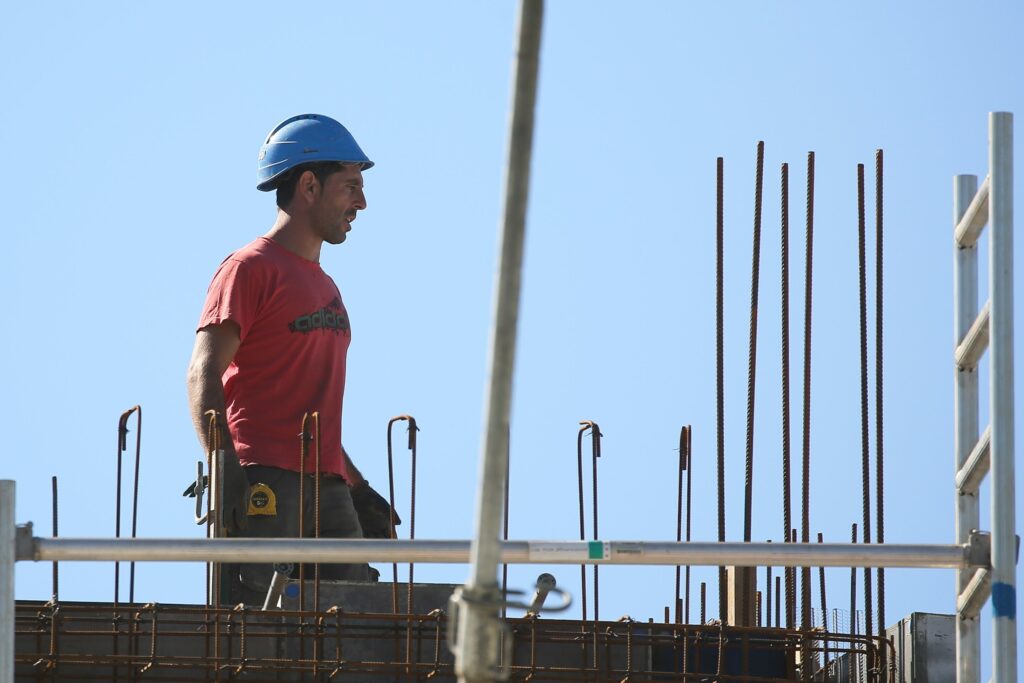
Belgium faces potential economic losses of €6 billion from the summer heatwave, largely due to increased worker heat stress, according to analysis from the Climate and Environment Risk Assessment Centre (CERAC). This figure represents a 1% decline in GDP, stemming from decreased labor productivity as heat interferes with work capabilities, resulting in lower efficiency and fewer working hours.
Read More
Luc Bas, director of CERAC, emphasized that heatwaves pose an economic risk that needs to be factored into preparedness and adaptation policies. A reduction in GDP could strain Belgium's public finances, decreasing tax revenues, as approximately half of the GDP is generated from taxation.
The Federal Planning Bureau's analysis highlights that Belgium already faces a productivity challenge, which jeopardizes future wage growth. Historically, labor productivity per hour averaged 1.3% annually before 2008 but fell to 0.1% between 2007 and 2012. Recovery has since occurred, with the current rate at 0.8% for 2019 to 2024. However, the added burden of heat-related productivity losses could adversely affect Belgium's economic outlook.
CERAC warns that productivity declines sharply beyond 30°C, particularly for outdoor workers in construction and agriculture, who are most at risk for heat stress. Other sectors, including transportation and logistics, as well as office environments, can also experience slowdowns due to extreme heat.
The analysis coincides with predictions that the number of days exceeding 30°C in Western Europe could quadruple as climate change advances. CERAC advocates for enhanced worker protections and adaptations in building and labor regulations for extreme heat periods.
In June, multiple trade union federations urged the establishment of binding EU regulations regarding workplace heat to safeguard workers. Research by the European Trade Union Institute (ETUI) further indicates that heat stress is not confined to heatwaves, but can also occur on regular hot working days. The ETUI warns that the risk of heat-related dangers is increasing in Central and Northern Europe, where labor laws and workplaces were not originally designed for prolonged high temperatures.
They call for a new EU directive to implement minimum standards for working temperatures, establish heat breaks or adjusted hours, and provide specific protections for vulnerable workers.