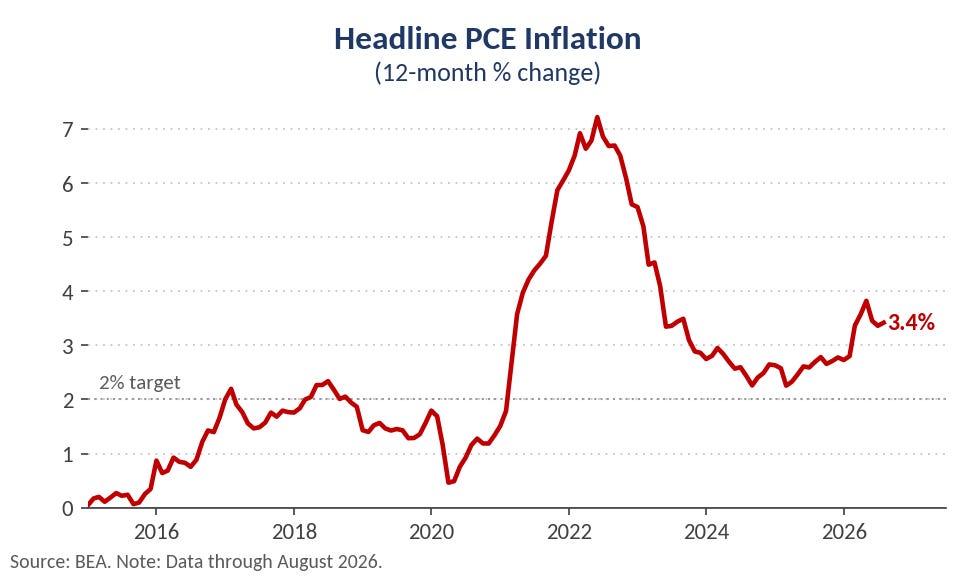
Throughout this year, analysts repeatedly questioned the likelihood of inflation returning to 2%. Early in the year, there was optimism that rising energy prices and tariffs would subside, leading to necessary disinflation. However, by the end of summer, confidence waned, prompting a shift towards modest rate hikes as insurance against persistent inflation. The Fed's approach under Chair Jerome Powell has emphasized risk management, a theme echoed in the minutes from the September Federal Open Market Committee (FOMC) meeting, which highlighted this reasoning in support of the rate hike.
Read More
Data released since September has added to concerns about inflation risks, even as the labor market has shown stability. Given the significant delay between interest rate adjustments and their impact on inflation, there are calls for timely policy shifts. Currently, futures markets indicate less than a 20% probability of a rate hike in the upcoming week, partly due to the Fed’s cautious communication. Yet, advocates for a rate increase argue that the indicators suggest more urgency than the market reflects.
The Fed typically bases its policies on forecasts for inflation and employment, mindful of the time it takes for interest rate changes to affect the economy. Numerous external shocks—such as ongoing military conflicts in the Middle East and Ukraine, tariff increases, shifts in immigration policy, and advancements in technology like artificial intelligence—complicate these predictions and necessitate considering various risk scenarios.
Waiting to gather more information does not come without its costs, particularly when inflation remains stubbornly high. If inflation rises beyond expectations next year, the Fed will find it difficult to retroactively raise rates. Conversely, if inflation falls, the Fed could lower rates again. The current monetary position allows for modest rate increases to mitigate upside inflation risks, mirroring previous rate cuts made to support economic recovery.
Fed Governor Lisa Bowman suggests that increased caution might be prudent under prevailing uncertainties, while Cleveland Fed President Loretta Mester has called for quicker, smaller adjustments. Effective timing remains crucial in monetary policy, though delays may necessitate larger shifts in the future. The FOMC stresses the need for confidence in achieving 2% inflation promptly to justify raising rates.
As inflation remains elevated—having peaked at 7.2% in June 2022—it has recently shown an upward trend once more, attributed partly to energy price disruptions. In August, the Personal Consumption Expenditures (PCE) price index recorded a significant increase, raising concerns ahead of forthcoming decisions. The September Consumer Price Index (CPI) further underscored inflation pressures, with core CPI showing an annualized growth rate of about 4%. This pattern raises doubts about the feasibility of a prompt return to the 2% inflation target.
Inflationary pressures persist, indicated by a rising Producer Price Index (PPI), which reflects increased costs in transportation and warehousing services. Reports from the Federal Reserve's Beige Book corroborated these inflationary trends, highlighting regional variations in firms' ability to pass costs to consumers. Additionally, geopolitical instability continues to influence market perceptions, with oil prices remaining high amidst ongoing global tensions.
As the Fed approaches its next meeting, pressures are mounting with only a 17% chance of a rate hike predicted by futures markets. This prediction follows recent comments from Fed officials emphasizing caution. Nevertheless, inflation data could necessitate unexpected policy shifts. Regardless of the decision, the Fed must communicate its rationale clearly, prioritizing economic indicators over political considerations, especially given the proximity to midterm elections.
Currently, unemployment remains low and stable, while inflation trends suggest that risks have increased. A rate hike next week, though not urgent, may be prudent in mitigating potential inflation escalation and preventing more substantial increases in the future. If the Fed chooses to hold rates steady, it must articulate the confidence in PCE inflation moving toward the target goal.