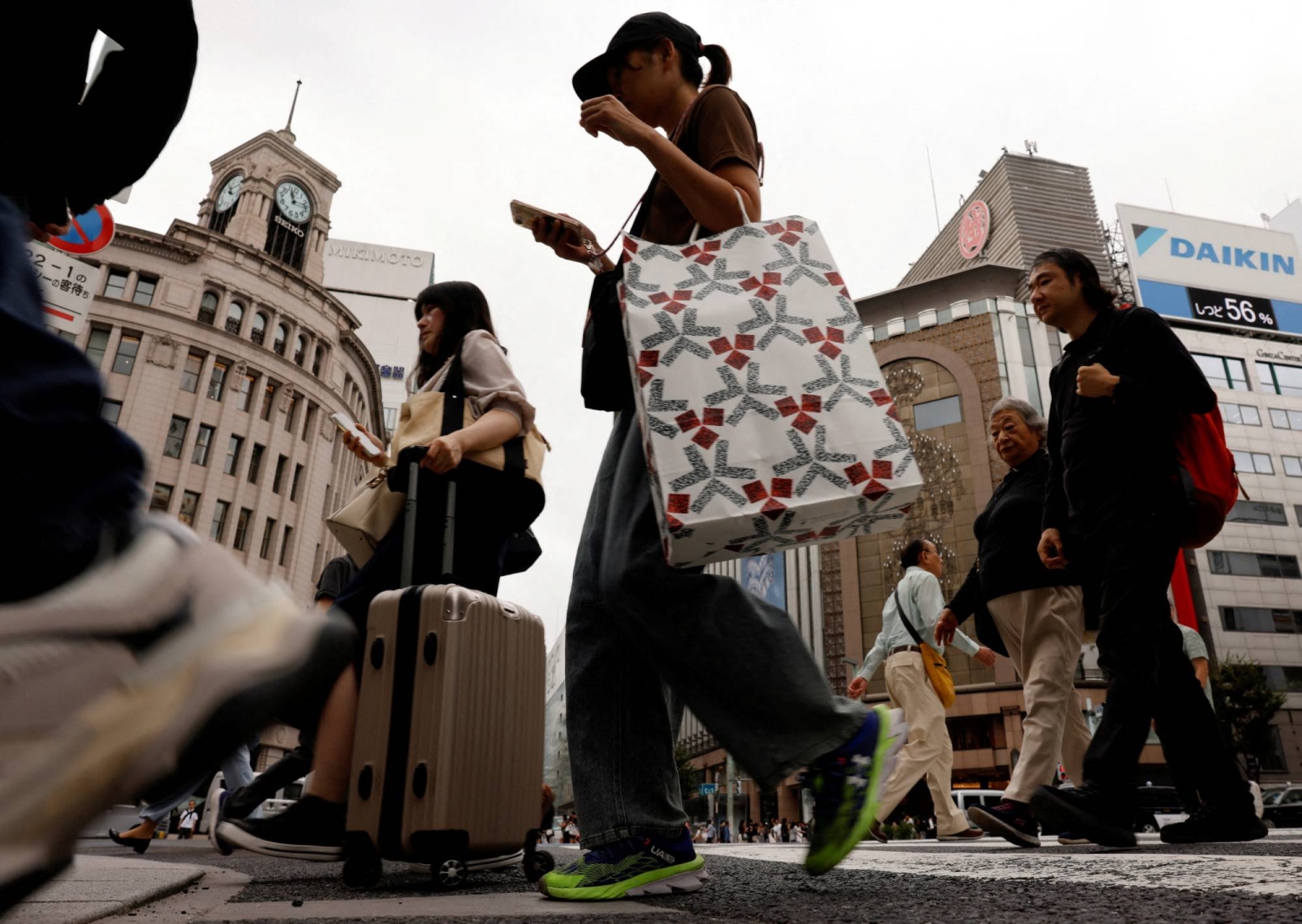
Japan's household spending decreased for the ninth month in a row, despite ongoing wage growth, indicating that consumers remain cautious amid persistent inflation that affects their purchasing power. According to the internal affairs ministry, adjusted for inflation, household spending fell by 3.1% in August compared to the same month last year, although this was slightly better than economists' forecast of a 3.6% decline. On a seasonally adjusted basis, spending rose 0.1% from the previous month.
Read More
This continued drop in spending presents challenges for the Bank of Japan (BOJ) as it considers further interest rate hikes. While real wages, adjusted for inflation, have increased consistently throughout the year, this has not led to a significant uptick in consumer demand. Many retirees in Japan, whose numbers are growing, do not benefit from wage increases.
Harumi Taguchi, principal economist at S&P Global Market Intelligence, noted that government measures have somewhat mitigated inflation, but consumers are still acutely aware of rising food prices, which contributes to a persistent concern over high costs. Taguchi emphasized that rising wages have not been beneficial for a large portion of the aging population.
BOJ Governor Kazuo Ueda has highlighted the risks of rising inflation, and there is speculation among market participants that the central bank may raise the benchmark interest rate again by year-end. The latest data illustrate that inflation is not aligning with domestic demand trends, and aggressive rate increases could further strain the economy.
Key sectors seeing decreased spending include education, entertainment, food, and utilities, while spending on transportation and communications saw a slight increase, primarily driven by higher car-related expenses. The decline in spending on education and a 5.2% year-on-year drop in utility expenses reflect the effects of subsidies and other initiatives from Prime Minister Sanae Takaichi’s administration aimed at controlling living costs.
To further assist households coping with inflation, Takaichi plans to reduce the sales tax on food from 8% to 1% starting in April, with the intention of reinstating the original rate after two years. However, Taguchi expressed skepticism about the effectiveness of the sales tax cut, suggesting it may only stabilize consumption rather than significantly boost it.