The evolving narrative around artificial intelligence (AI) raises important questions about its influence on productivity in the labor market. Predictions about AI's long-term effects vary, with some experts forecasting rapid changes while others anticipate a gradual evolution.
Read More
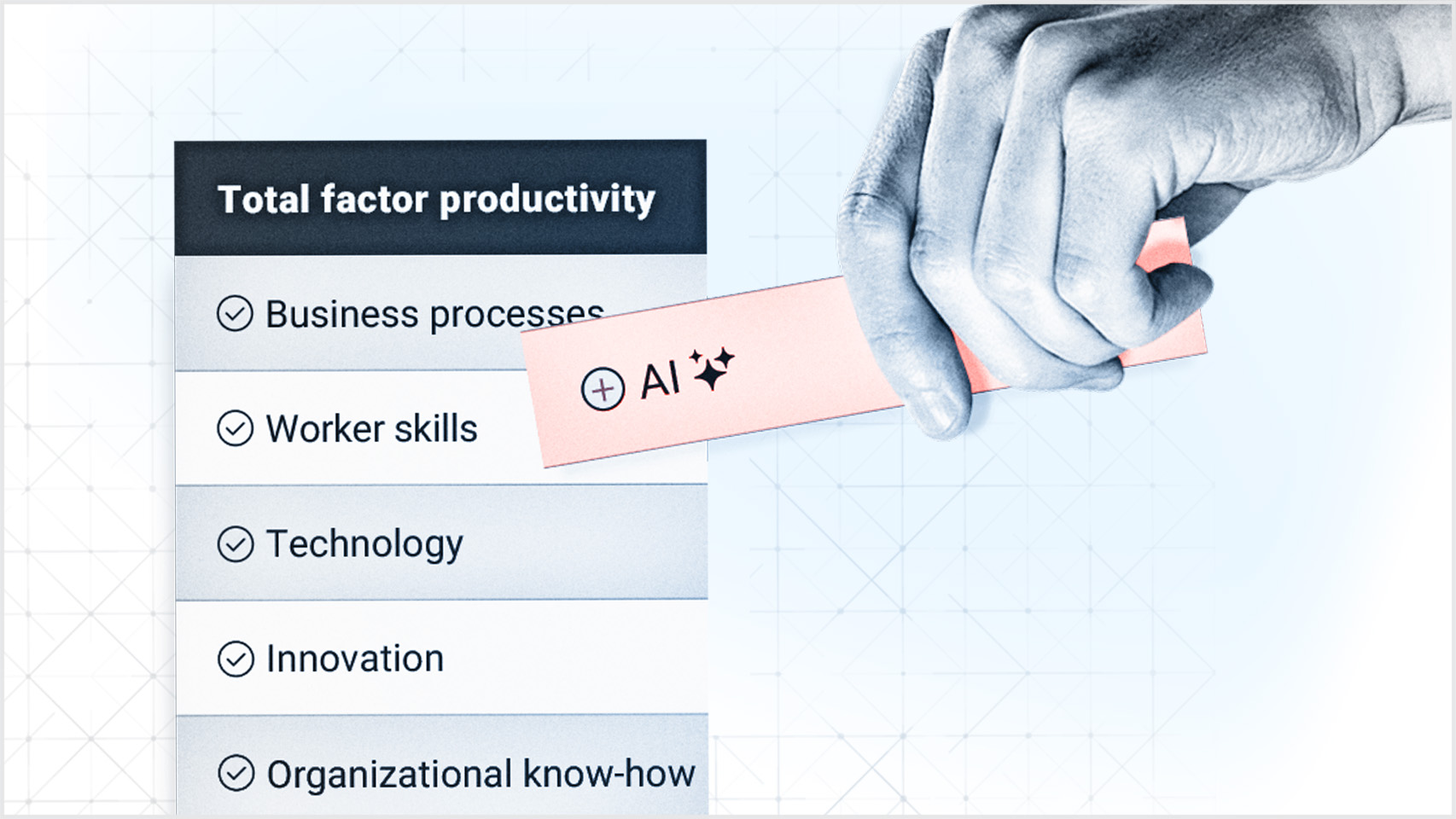
A key focus in assessing AI's impact is on productivity, which economists often measure via labor productivity and total factor productivity (TFP). Labor productivity measures output produced per hour worked, indicating how much more workers can achieve within a fixed time frame. However, TFP embodies a broader concept; it accounts for enhancements in business processes, workforce skills, technology, innovation, and organizational intelligence, reflecting how the economy improves its efficiency in utilizing labor and capital.
Historical context illustrates these concepts. For instance, nonfarm labor productivity rose by 2.2 percent in the second quarter compared to the previous year, with production increasing at a quicker pace than hours worked. This growth rate is slightly above the historical average since records began in 1947. The most significant productivity increases occurred between 2000 and 2007, whereas the mid- to late-1970s saw the weakest growth.
Several factors influenced these fluctuations. The 1970s faced challenges including high energy prices, inflation, and slow economic growth, which hindered production efficiency. Additionally, a demographic shift occurred as the baby boomer generation entered the workforce, leading to a younger, less experienced labor pool. This resulted in a labor productivity growth of merely 1.4 percent during that decade.
Conversely, the early 2000s experienced a surge in productivity due to the widespread adoption of the internet and digital technologies, coupled with increased business investment. The influx of experienced workers from earlier decades, equipped with advanced technology, also contributed to this productivity upturn.
Current discussions suggest that AI's primary promise lies not in job creation but in enhancing total factor productivity through improved efficiency, automation, and innovation in work organization. To evaluate whether AI fulfills this potential, monitoring employment trends is crucial. The Canaries Dashboard, developed by ADP Research and the Stanford Digital Economy Lab, tracks employment trends within occupations affected by varying levels of AI.
Additionally, assessing wages is essential to determine if workers benefit from these technological advances. As productivity increases, worker value rises, and pay growth rates can signal whether AI-driven gains translate into better living standards. In tandem, these indicators offer insights into access to job opportunities and the evolution of wages.
Ultimately, understanding the economic shift brought about by AI requires examining both employment and wage data, along with a detailed analysis of task-level activities. This approach allows for a clearer view of how productivity is evolving and how businesses and workers alike are creating value over time.
Upcoming data releases include the Canaries Dashboard on August employment trends, the Department of Labor's jobless claims data, and the durable goods report for August from the Census Bureau, all of which will provide updates on the labor market and economic outlook.