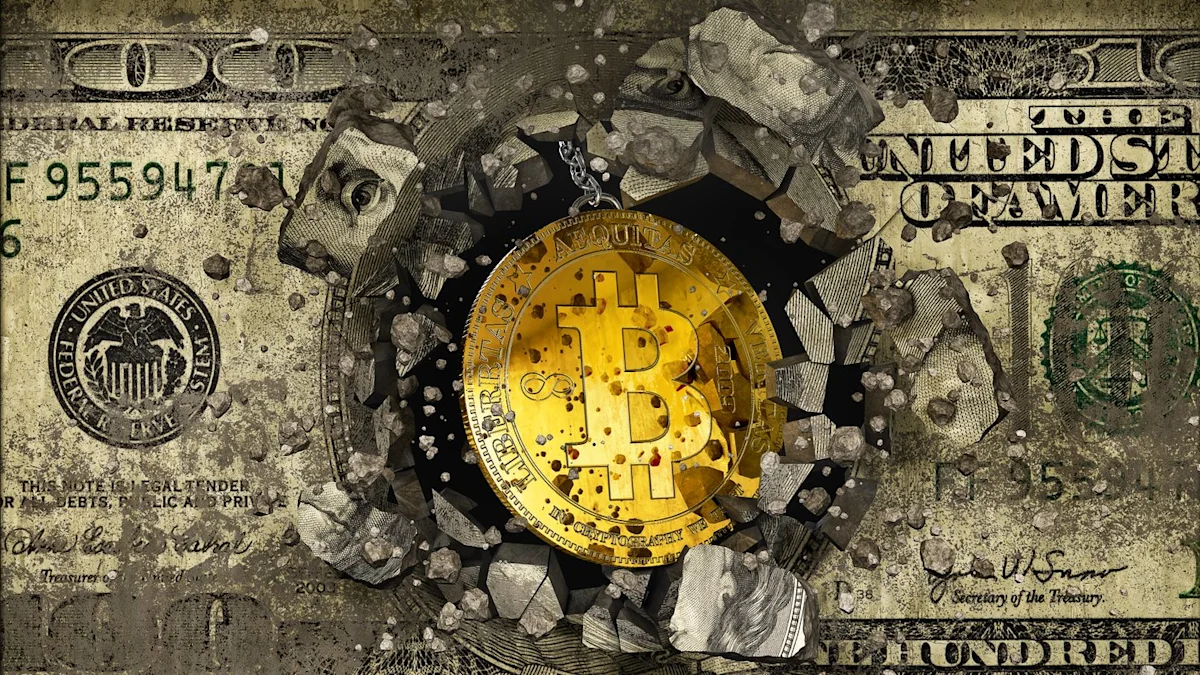
Consumer prices increased by 3.7% in the 12 months leading up to September 2026, according to the Bureau of Labor Statistics (BLS). This surge in inflation contributed to a drop in Bitcoin's value, which decreased by approximately $1,000 following an Oct. 14 report indicating stronger-than-expected inflation. Such inflation typically raises the likelihood of interest rate hikes by the Federal Reserve.
Read More
The Producer Price Index (PPI), which gauges the prices producers receive for goods and services, saw a 1.3% rise in September 2026, with an annual increase of 6.3%. Core consumer inflation was recorded at 2.6% over the same period, while the Fed aims for a target of 2%. Additionally, rising energy costs, exacerbated by ongoing conflicts such as the war with Iran, are predicted to persist, impacting overall price levels.
Despite these challenges, Bitcoin might still find a path to benefit. J.P. Morgan Asset Management's 2027 outlook suggests that Bitcoin could act as a hedge against potential devaluation of currency due to increased money supply. Typically seen as a risky asset, Bitcoin often correlates with global money supply trends.
Currently, the Federal Reserve appears poised to raise interest rates before the year's end, countering inflation dynamics. However, as the M2 money supply (which includes cash and bank deposits) expanded by 5.7% year-over-year through August 2026, a slowing U.S. economy could eventually compel the Fed to cut rates. Such a shift, if coupled with increasing prices, might lead to greater money supply growth. Under these circumstances, Bitcoin's finite supply could appeal to investors seeking refuge from inflationary pressures.