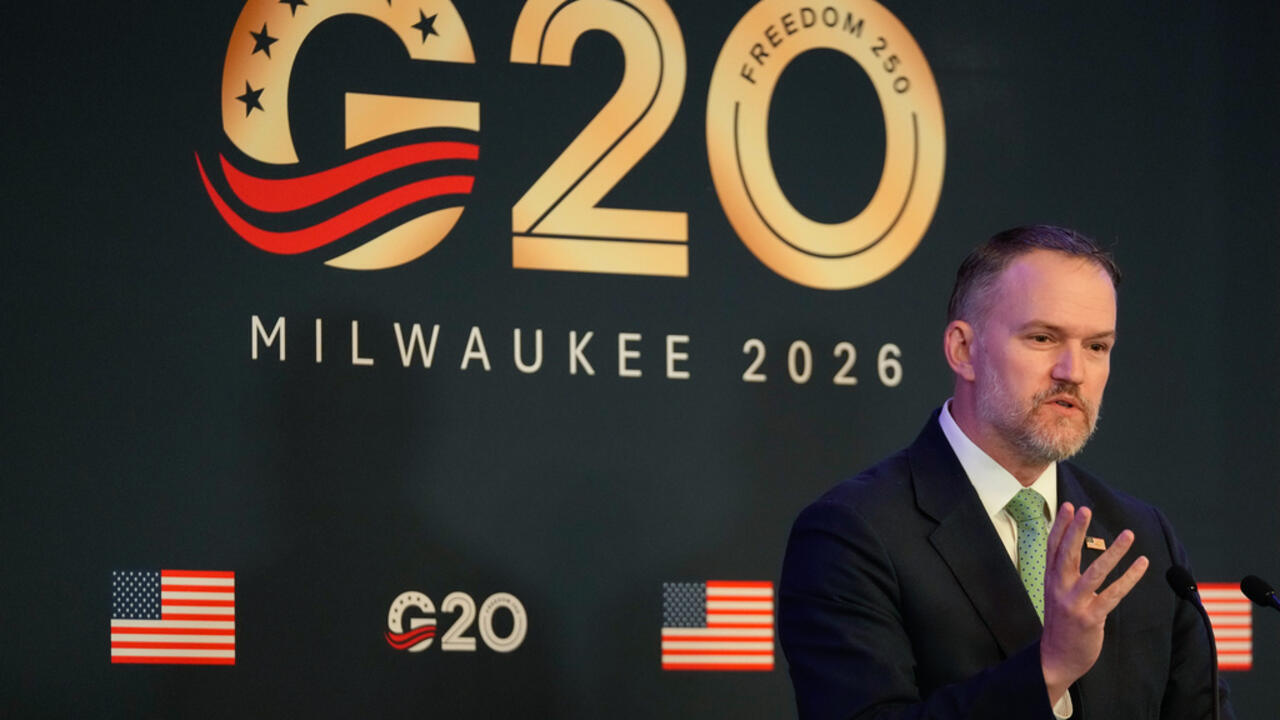
G20 trade ministers are struggling to reach an agreement on addressing excess industrial capacity, according to Jamieson Greer, the top US trade official, who spoke on Thursday. This situation primarily concerns China, which has consistently rejected accusations of overproduction. Greer made his remarks during the second day of discussions in Milwaukee, Wisconsin, where the United States is currently holding the G20’s rotating presidency.
Read More
Ministers were unable to secure a consensus on dealing with overcapacity, which many see as distorting market prices, or on efforts to eliminate forced labor in supply chains. However, Greer indicated that most countries recognize the need for action regarding industrial overcapacity. He noted that nearly all nations acknowledged the inadequacy of current trade remedies, which has led to a justification for unilateral US measures. Ongoing investigations by the US target 16 economies, including China, the EU, Japan, and India.
Greer cautioned that continued overproduction could lead to an unsustainable economic model. He also referenced the tariffs imposed by the Trump administration on approximately 60 trading partners over alleged forced labor issues, another topic on which the G20 could not reach an agreement.
Despite these deadlocks, G20 countries did agree on the importance of opposing the use of food as a coercive trade tool. This sentiment was exacerbated by European officials criticizing Russia's military actions that have significantly impacted Ukraine's grain exports. France's minister delegate for international trade, Nicolas Forissier, stated that European representatives openly condemned Russia's aggression, emphasizing that such statements are based on factual injustices.
Russia, represented by its minister for economic development, Maxim Reshetnikov, responded by accusing European leaders of using political rhetoric.
In addition to these major issues, trade ministers from various G20 nations are exploring opportunities to expand trade discussions beyond the United States. Canada, for instance, is pursuing bilateral trade agreements with countries like India, Turkey, and the European Union. Canada's minister for international trade, Maninder Sidhu, expressed optimism about concluding negotiations with India in the near future.
Mexico reported steady progress in discussions with the US regarding tariffs, particularly on steel, cars, and aluminum, although Mexican officials indicated they are not rushing these negotiations ahead of significant midterm elections in the US.