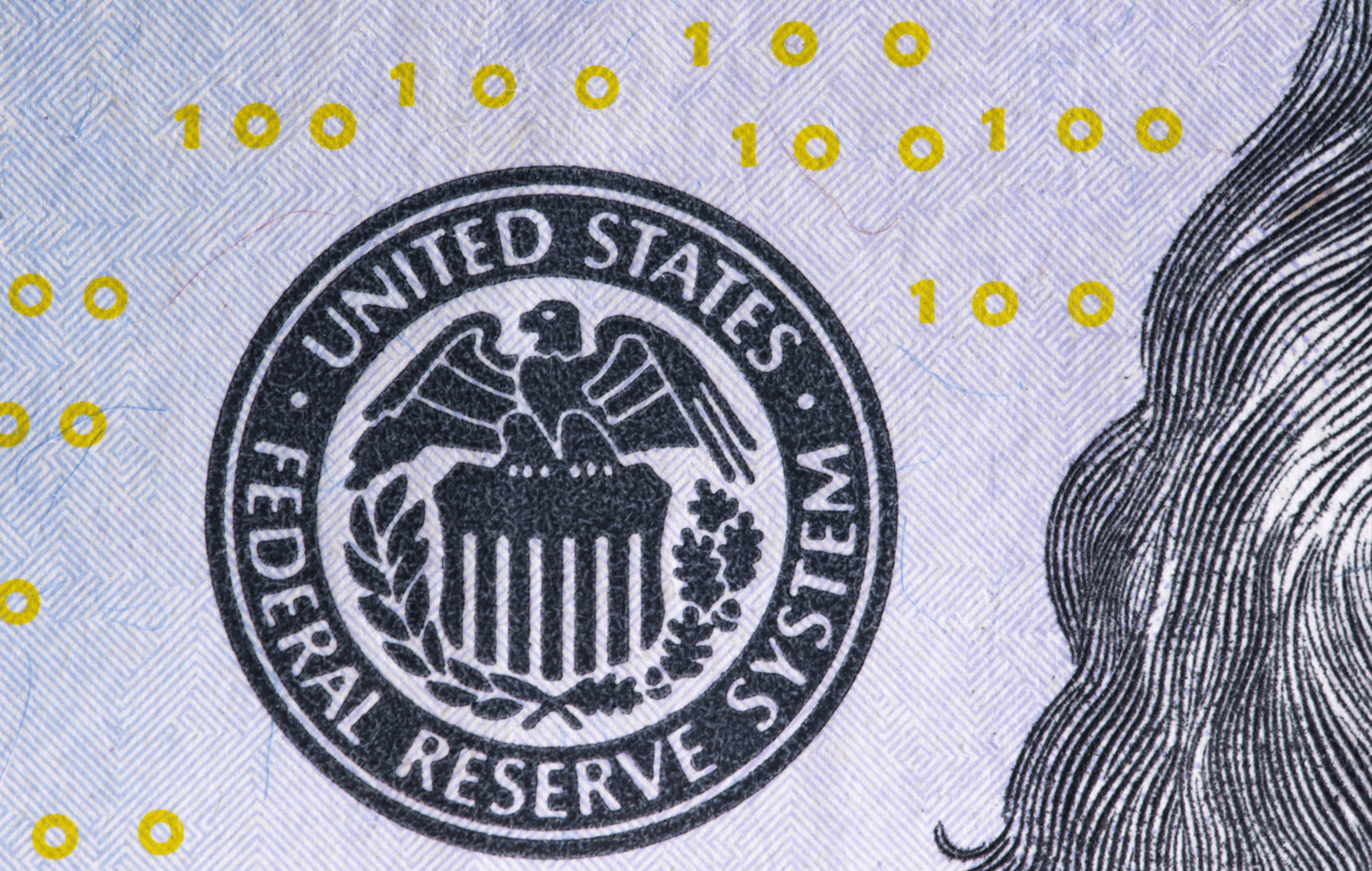
Recent updates from the Bureau of Economic Analysis (BEA) show a decrease in estimated inflation levels, but overall spending remains high, complicating the Federal Reserve’s goal of reducing inflation to its 2 percent target. Although revisions suggest some improvement, the necessary adjustments are based on earlier data rather than a significant decline in inflation for August.
Read More
The Personal Consumption Expenditures Price Index (PCEPI), the Federal Reserve's preferred inflation metric, increased by 0.3 percent in August, up from a 0.1 percent rise in July. This index has recorded an annualized growth rate of 3.6 percent over the past six months and is 3.4 percent higher compared to the previous year, consistent with July numbers.
Meanwhile, the Core PCEPI, which excludes food and energy prices, rose by 0.2 percent in August, again surpassing the previous month’s 0.1 percent increase. This measure shows an annualized rate of 2.7 percent in the last six months and a year-over-year increase of 3.0 percent, unchanged from July.
Previously, the BEA reported a 3.7 percent rise in prices from July 2025 to July 2026. Following the annual update, the agency revised this figure down to 3.4 percent, indicating that the perceived improvement in inflation is due to adjustments in prior estimates. These revisions are the result of ongoing updates to methods and data, including changes in how certain service prices are measured, such as those for legal and portfolio-management services.
Revisions reveal that inflation hit 3.8 percent in May, lower than the previously reported 4.1 percent, and that core inflation was 3.0 percent in July instead of 3.3 percent. Both headline and core inflation rates remained unchanged in August according to the new data.
Despite lower estimates, the trend indicates prices are still rising faster than last year’s inflation rate of 2.7 percent. Over the past three years, both headline and core inflation have averaged around 2.9 percent annually, above the Fed’s target. In response, the Fed raised its federal funds rate target by a quarter point to a range of 3.75 to 4 percent in September, emphasizing that inflation remains high.
Total nominal spending, reflecting the dollar value of all final goods and services produced, increased by 6.3 percent over the year ending in the second quarter. Although this was slightly lower than the previously reported 6.6 percent, the underlying upward trend persists. This spending growth has exceeded 4 percent annually since early 2021 and now stands significantly above the Fed’s long-term target of 4 percent combined growth from real output and inflation.
The rapid increase in nominal spending raises concerns about sustaining higher inflation rates unless adjusted through tightened monetary policy. While core inflation has improved from 3.9 percent to 2.7 percent annually over the last six months, the effects of the Fed's monetary policy actions take time to manifest.
Market reactions suggest that the recent downward revisions in inflation figures may reduce expectations for further rate increases, yet the ongoing spending trend underscores a continued need for policy adjustments. During its meeting in October, the Fed will consider updated economic projections based on these revised inflation metrics. Historically, a majority of Fed participants anticipated at least one more rate hike this year, with some expecting two, irrespective of the lower inflation figures.
Upcoming third-quarter GDP data, released shortly after the October meeting, will further inform the Fed's perspective on nominal spending trends. A figure exceeding 4 percent will signal the need for sustained monetary policy vigilance in the face of ongoing inflation challenges.