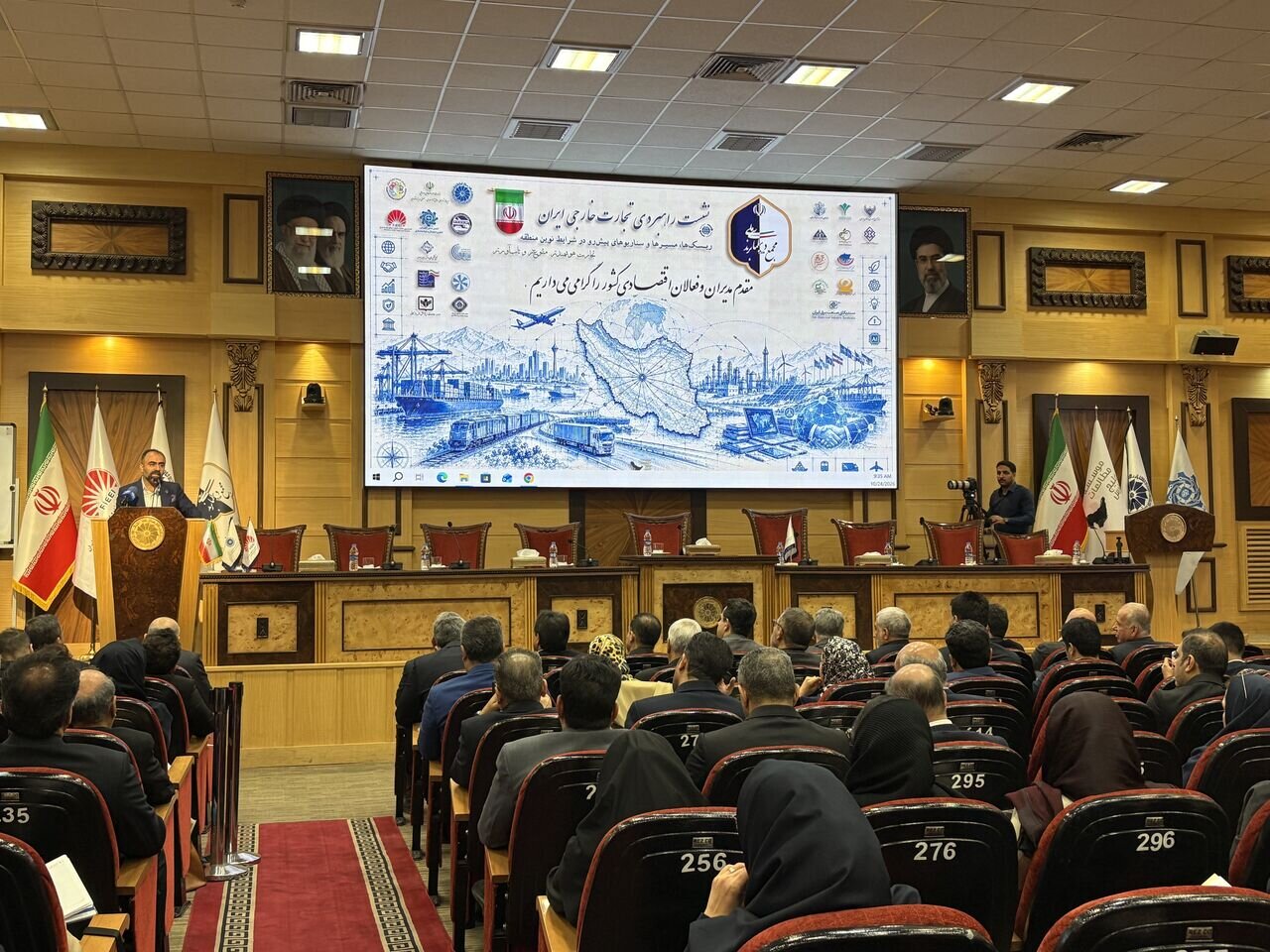
TEHRAN — The Iranian Association of Digital Technology and Smart Systems Employers has identified the need for predictable economic policies and less bureaucracy to enhance the country’s foreign trade. Head of the association, Seifollah Niknami, made these remarks during a strategic meeting focused on improving Iran's trade relations.
Read More
Niknami emphasized the importance of coordinating national capabilities in technology, industry, energy, logistics, and the private sector to boost production and trade. He stated, "Technology must serve to solve real economic problems," highlighting that domestic capabilities can only become competitive advantages if interconnected with each other and global markets.
He noted that regulatory instability complicates long-term planning for producers, who face the risk of sudden changes in governing rules. According to Niknami, maintaining exporters' credibility in international markets necessitates reducing cumbersome procedures and improving coordination among digital systems to avoid unpredictable policy changes.
While acknowledging that sanctions and external restrictions pose significant challenges, he argued that regulatory instability and unnecessary procedures should not create additional burdens on producers and exporters. Regulatory stability is crucial for production and exports, as delays due to bureaucratic hold-ups can impact delivery schedules, working capital, contractual commitments, and market opportunities.
Niknami outlined four key priorities for improving the business environment and enhancing the resilience of Iran’s foreign trade: establishing stable and predictable regulations; eliminating unnecessary procedures and enhancing coordination among government bodies; adopting risk-based and intelligent oversight; and involving professional and employers’ associations in policymaking.
He stressed that the impact of policy decisions on production and exports should be assessed beforehand, allowing businesses adequate time to adjust. There should also be coordinated sharing of information among authorized agencies, respecting confidentiality and legal access limitations to prevent costs stemming from inconsistent digital and government platforms.
Niknami asserted that effective policies cannot be formed without the input of producers, exporters, and specialized industry associations, advocating for their involvement from the earliest consultation stages rather than merely being informed post-decision.
He clarified that private sector participation complements—but does not replace—the government's role in crafting better policymaking. Niknami noted that digital transformation must be anchored in process reform, as merely digitizing inefficient procedures does not equate to progress.
He proposed that technology, data, and innovation should lower costs, accelerate processes, increase transparency, and enhance decision-making in foreign trade.
The meeting was structured around five specialist panels that addressed critical areas including resilient trade logistics, governance, market diversification, and the use of technology to support foreign trade. Niknami expressed the intention for these discussions to not just highlight issues but also to devise actionable solutions and measurable indicators of progress.
In the face of challenging international conditions, Niknami called for effective policymaking and collaboration to avoid overcomplicating production and exports with instability and bureaucratic hurdles. He hopes the meeting will integrate Iran’s fragmented capabilities, simplify procedures, boost business confidence, and facilitate greater private-sector input in policymaking, ultimately enhancing national economic competitiveness and improving the global standing of Iranian brands.