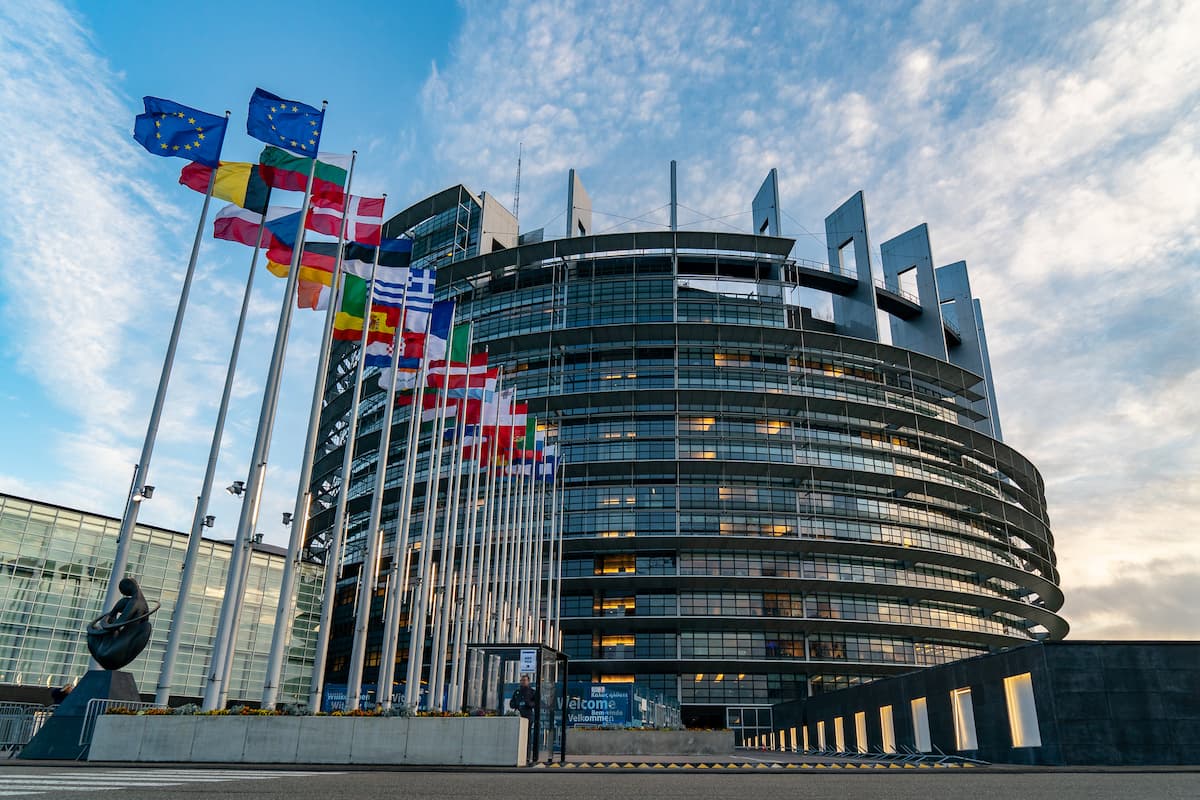
Economists are urging that central banks alone cannot effectively manage the economic impacts of climate change, particularly climate-driven inflation and supply shocks. They stress the need for closer coordination between monetary and fiscal policy during discussions at a European Parliament panel.
Read More
Higher interest rates are expected to squeeze public spending and increase the costs of green investments. This has led to suggestions for a lower green interest rate and for the European Central Bank (ECB) to expand its green collateral rules. The European Commission has indicated that extreme weather events are starting to negatively influence revenues, spending, growth, and public finances.
Research by the ECB has shown that regions affected by heatwaves experience a 1.5% decline in economic activity after two years, which increases to 3% after four years, underscoring the importance of adaptation and decarbonization efforts.
During the panel, Jaya Sood, a senior economist at the New Economics Foundation, emphasized that while coordination between central banks and governments is inherent, it often reacts to crises rather than proactively addressing them. She pointed out that governments should employ targeted fiscal measures to alleviate price pressures instead of relying solely on central banks.
Romain Svartzman, a professor at Bocconi University, indicated that rising interest rates typically lead to reduced fiscal spending in essential sectors such as health and climate. Higher borrowing costs for green projects are also a concern, prompting campaigners to advocate for the ECB to implement a lower green interest rate for transition projects. Svartzman also suggested that expanding the ECB’s green collateral framework to include sovereign bonds could be a solution.
Additionally, he raised questions about the ECB's approach to inflation targets, arguing that if inflation results from factors that enhance climate resilience over the long term, it might not be prudent to continuously raise interest rates.
Nicola Gagliardi, a senior economist at the European Commission, noted that the fiscal effects of climate change are clear, as extreme weather disrupts income and introduces uncertainty, thereby affecting public budgets.
The discussion took place shortly after European Commission President Ursula von der Leyen announced plans for a new climate resilience framework, set to be unveiled in late October. Irene Heemskerk, head of the ECB’s climate change center, acknowledged the current efforts in Brussels towards climate adaptation but cautioned against complacency, stating that the transition must continue.
While the EU economy has shown resilience to rising energy prices and the impacts of extreme weather this summer, ECB research indicates that regions impacted by heatwaves face a 1.5% decrease in economic activity two years later, and 3% after four years. Economists have projected that the heatwaves in 2026 could lower the EU economy by at least 1%, with more significant losses concentrated in severely affected regions like France and Italy.
Heemskerk remarked that despite some countries experiencing a decline in renewables due to heatwaves, EU nations with diversified energy strategies have been less impacted by energy price fluctuations. The ECB is moving forward cautiously with its climate initiatives, maintaining focus on its mandate despite uncertainties surrounding climate change.