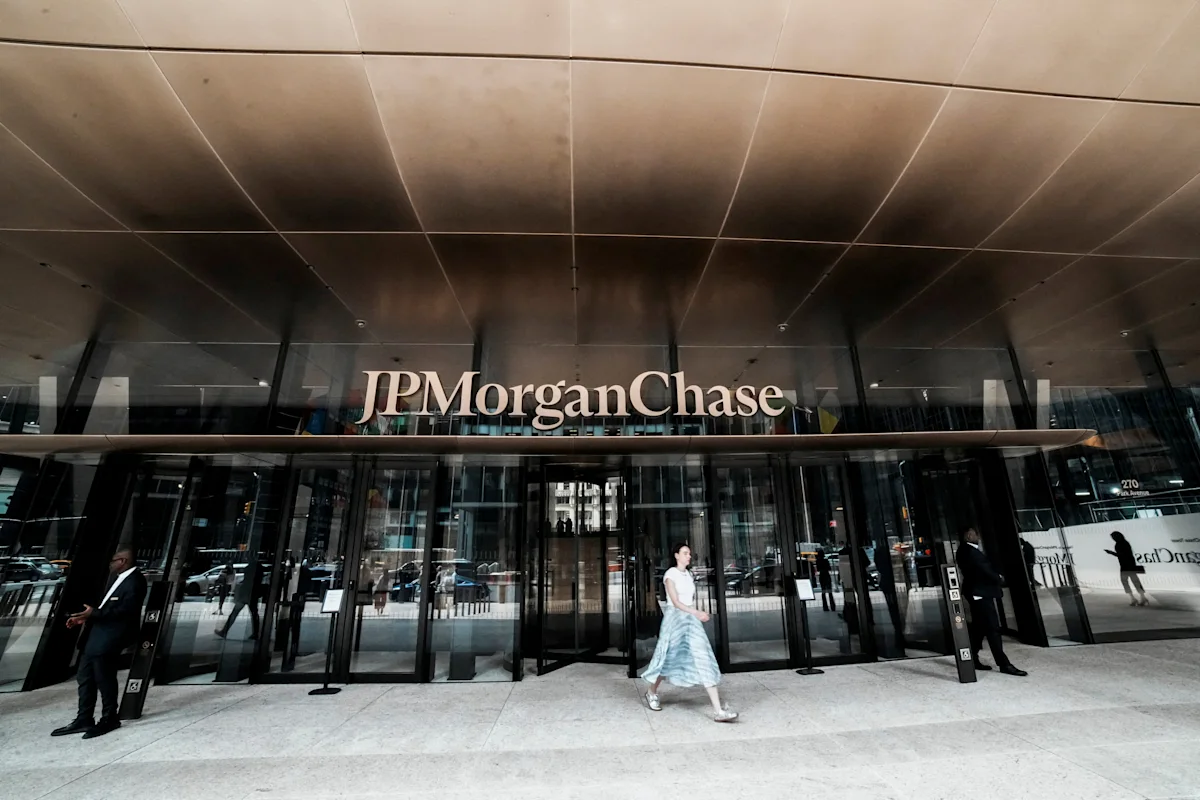
Wall Street's major banks concluded the first half of 2026 with significant profits, marking one of their most successful six-month periods in at least a decade. However, with a sharp increase in interest rates, the outlook for the third quarter is uncertain. JPMorgan Chase, Goldman Sachs, and Citigroup are set to report earnings on Tuesday, followed by Bank of America and Morgan Stanley on Wednesday. Investors are keen to see if the rising rates will dampen the momentum seen in the first half of the year.
Read More
Analysts predict that profits for these banks will decline compared to the previous quarter, as revenues from trading, dealmaking, and financing are expected to drop from the record levels achieved in the second quarter, according to estimates compiled by Bloomberg. Despite this potential decline, most banks are still anticipated to report year-over-year profit increases, with Bank of America and Morgan Stanley likely being exceptions.
Brendan Coughlin, president of Citizens Financial Group, noted the current market outlook seems stable, but he emphasized concerns about increasing risks. The sentiment among investors has shifted negatively; these five banks have lost approximately $270 billion in market value since their peak summer highs, even as the S&P 500 has continued to rise about 14% this year. UBS analyst Erika Najarian highlighted that much of this underperformance is tied to a significant rise in long-term interest rates.
A recent survey by Truist Securities revealed that only 35% of institutional investors expect bank stocks to outperform the market, a sharp decline from 68% in July and 82% in December. For the upcoming earnings reports, the critical point of interest will be how rising borrowing costs affect banks' performance, as well as whether the rapid increase in rates can disrupt the strong activity that characterized the first half of 2026.
Although higher rates can enhance banks' lending income initially, they also elevate costs related to deposits and wholesale funding, pressure bond portfolios, and complicate deal-making. The swift rise in rates adds further anxiety, with Macquarie strategists noting that many significant financial failures in the last 50 years followed sharp increases in long-term bond yields. Bank executives have already indicated weaker trading activity, particularly in fixed income, compared to the heightened activity experienced during the spring.