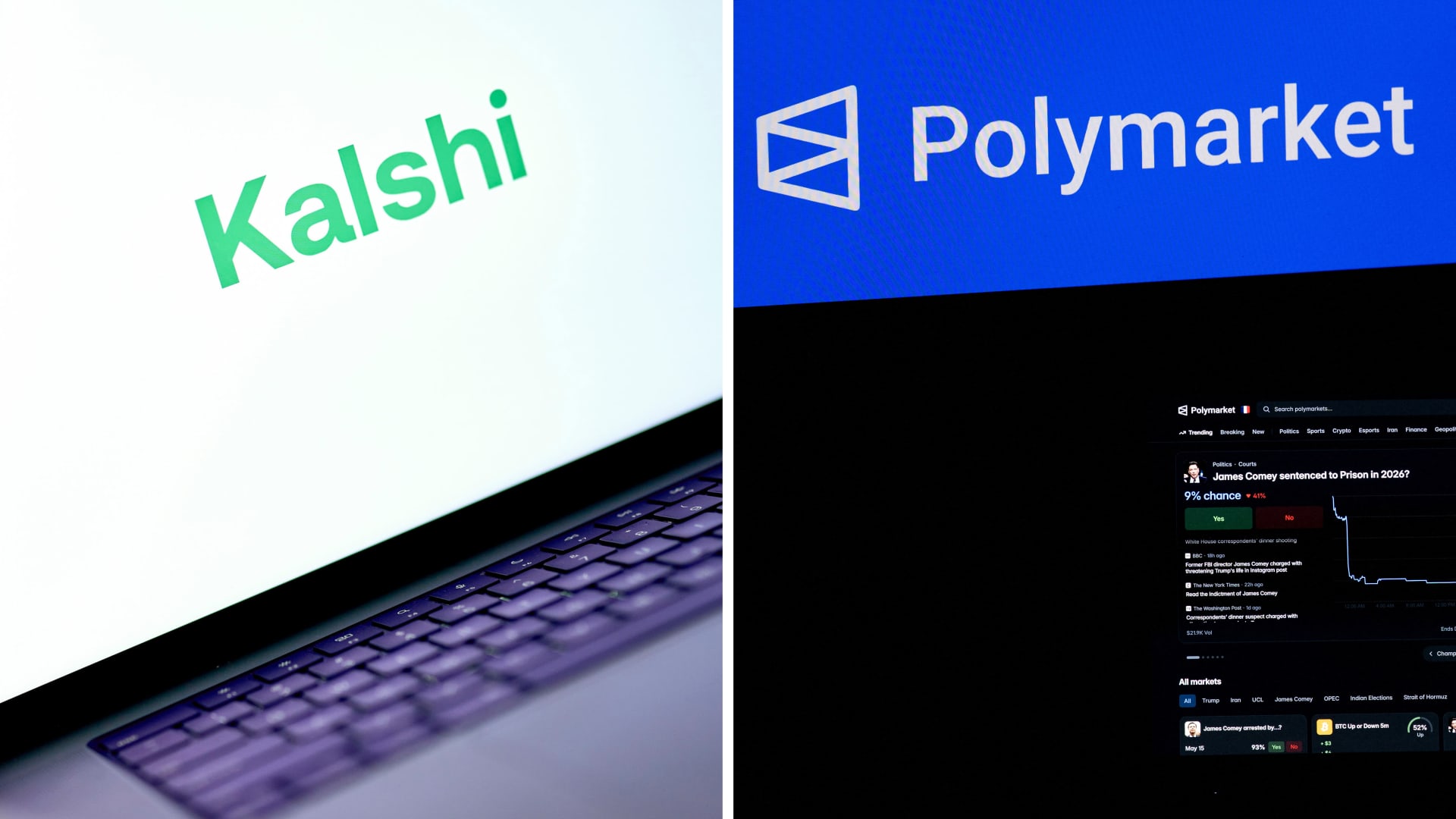
Trading volumes for specific products on prediction market platforms Kalshi and Polymarket are coming under scrutiny, leading some industry analysts to suspect potential inflation of these numbers. On Polymarket, issues have been noted with markets that involve multiple contracts, where activity concentrates on those with lower odds rather than higher probabilities. This trend is particularly visible in markets related to elections, sports, and central bank decisions.
Read More
On September 20, a user on X pointed out an unusual pattern in Kalshi's market for ether perpetual futures, where trades of around $5,500 represented a significant portion of the trading activity. A CNBC analysis indicated that nearly half of the dollar volume on Kalshi's ether contracts came from trades within the $5,495 to $5,505 range, raising concerns of inflated trading volumes or potential wash trading—collusion among traders to manipulate the appearance of economic activity.
Both Kalshi and Polymarket have denied allegations of wash trading and assert that observed trading patterns do not indicate inorganic activity. Tamika Bent, a partner at K&L Gates, commented on the responsibilities of designated contract markets to monitor for such abnormalities to ensure market integrity.
Polymarket is currently valued at over $20 billion following the launch of its U.S. exchange in May, while Kalshi is reportedly seeking a valuation of $40 billion as it raises funds after launching its perpetual futures product in June. Both companies have pointed to rising trading volumes as a key indicator of their growing popularity, which serves to justify these valuations. However, as they explore potential public market entries in the coming year, the legitimacy of these volume figures is drawing increased attention.
Kyle Gesuelli, Polymarket's head of revenue and analytics, stated that the activity on low-odds contracts is driven by engaged traders known as