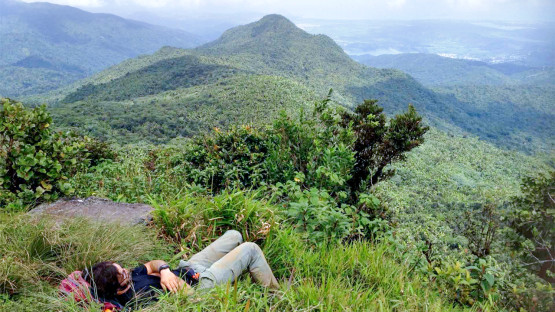
In Puerto Rico, chefs are creating outdoor culinary experiences inspired by Afro-Caribbean and Taíno traditions, while adventure tourism is thriving with canyoneering trips and e-bike tours to scenic overlooks. These initiatives are part of a broader tourism development plan fostered by a partnership between the U.S. Forest Service and the Center for Sustainable Global Enterprise (CSGE) at Cornell University's SC Johnson College of Business. This five-year project focuses on sustainable tourism growth in El Yunque National Forest, which attracts over 1 million visitors annually, and aims to support the recovery of surrounding communities following recent natural disasters.
Read More
Led by Mark Milstein, the project has recently completed its first phase, during which the team analyzed extensive data, including community interviews, surveys, and visitor statistics. Their findings emphasize promoting “low volume, high value” tourism options. The CSGE team worked closely with local business owners and conducted a market analysis to identify potential avenues such as adventure tourism, ecotourism, educational outings, and wellness activities.
Gretchen Ruiz Ramos, partnership coordinator for El Yunque National Forest, remarked on the valuable insights gained from local experts, which have been integrated into future sustainable planning. O’Shannon Burns, managing director of the CSGE Sustainable Tourism Asset Management Program, highlighted the necessity for a comprehensive approach that combines forest management with community development to ensure the long-term health of both the forest and local economies that depend on tourism.
Without careful planning, the increasing number of visitors could lead to overcrowding, erosion of trails, and overall diminished visitor experiences. Local communities face challenges such as insufficient services and damaged infrastructure due to the impact of recent hurricanes. Many new visitors have been attracted to informal sites via social media, while viable tourism opportunities along key roads remain largely untapped.
The goal is to create tourism development strategies that fulfill visitor needs, retain the forest's natural attractions, and reinvest in the community. Milstein emphasized the importance of collaboration between the U.S. Forest Service and local stakeholders in addressing the economic and environmental challenges.
Looking ahead, Burns noted that innovative entrepreneurs are crafting unique experiences in Puerto Rico that highlight less-explored aspects of the island. The next steps of the project will focus on assisting these entrepreneurs with experience design, marketing, and sales. The findings support developing PR-186 as a quieter alternative route to the main visitor center, along with scenic drives and new roadside attractions. Proposed alternative tourism options include canyoning at Río Espíritu Santo and guided forest bathing, aiming to attract higher-spending visitors and extend their stays in the region, thereby boosting the local economy.
Alison Fromme is a writer for the Cornell SC Johnson College of Business.