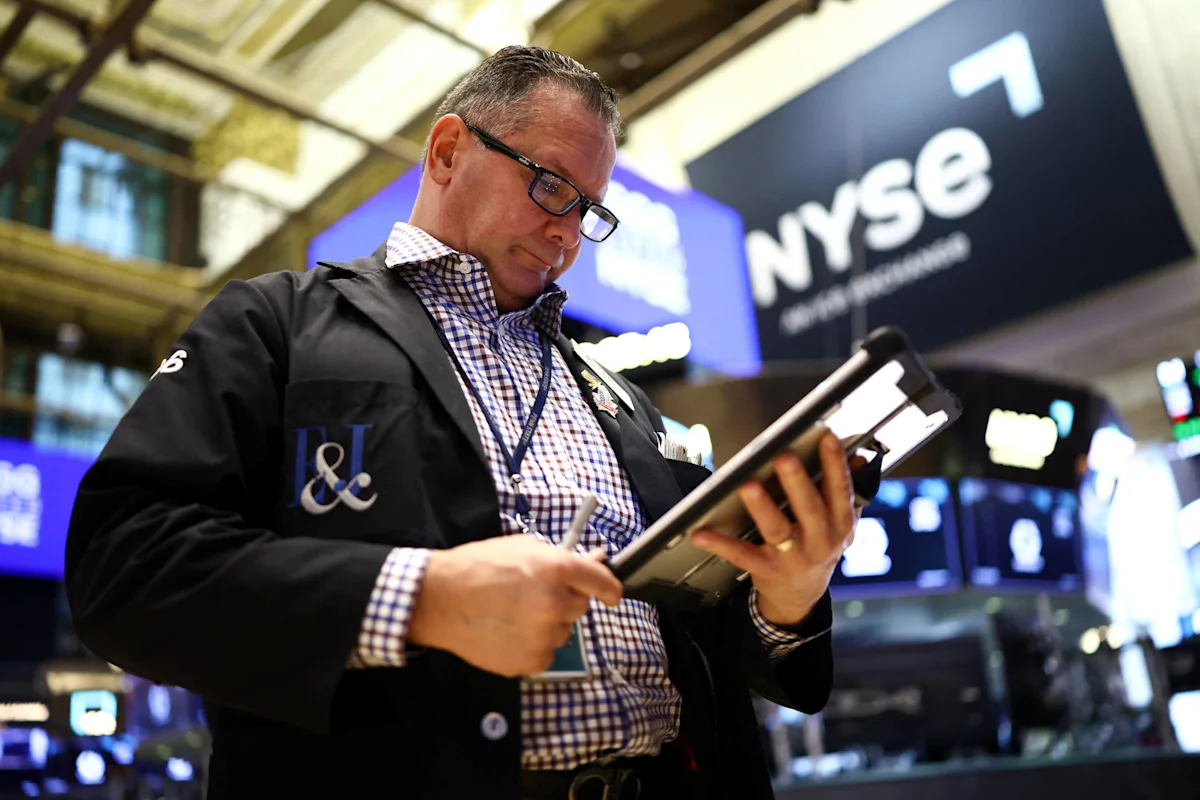
On October 16, 2026, U.S. stock markets showed mixed results as Wall Street sought to bounce back from a recent downturn in technology shares. After a rough week for tech, markets managed modest gains on Thursday, aided by a decline in Treasury yields and a recovery in semiconductor stocks following an AI-driven sell-off. Daniela Hathorn, a senior market analyst at Capital.com, noted that while global equity markets appeared to stabilize, the differences between regions were notable. She indicated that U.S. and Asian markets had been particularly affected, attributing this to increased concerns following a higher-than-expected U.S. Consumer Price Index, which led to a rise in Treasury yields and questions surrounding the sustainability of the AI sector’s financing.
Read More
The Nasdaq composite has faced significant pressure, as investors remain skeptical about whether anticipated returns from AI investments can justify the high valuations and the rising costs of borrowing. Notably, shares of CoreWeave (CRWV), a cloud-computing provider, dropped by 4.15% in premarket trading. The company, which carries approximately $50 billion in debt, has become a point of contention, with worries that the current boom in data centers may be funded through credit, placing stress on newer companies and affecting cash flow at larger corporations like Alphabet (GOOGL) and Meta Platforms (META), according to Reuters.
CoreWeave's decline contributed to a broader sell-off in AI stocks, raising doubts among investors regarding whether future revenues could keep up with spending demands. However, Nvidia CEO Jensen Huang, whose firm holds a nearly 10% stake in CoreWeave, attempted to alleviate concerns by stating that the company's financial situation is improving and that he does not believe Nvidia needs to provide additional support. He expressed optimism about CoreWeave’s decreasing cost of capital.
Hathorn acknowledged that while Huang's remarks may have eased immediate fears, upcoming earnings reports from major tech firms will be critical in proving that large investments in AI are generating enough revenue and cash flow to validate their costs. This article originally appeared in TheStreet's Stock Market Today section.