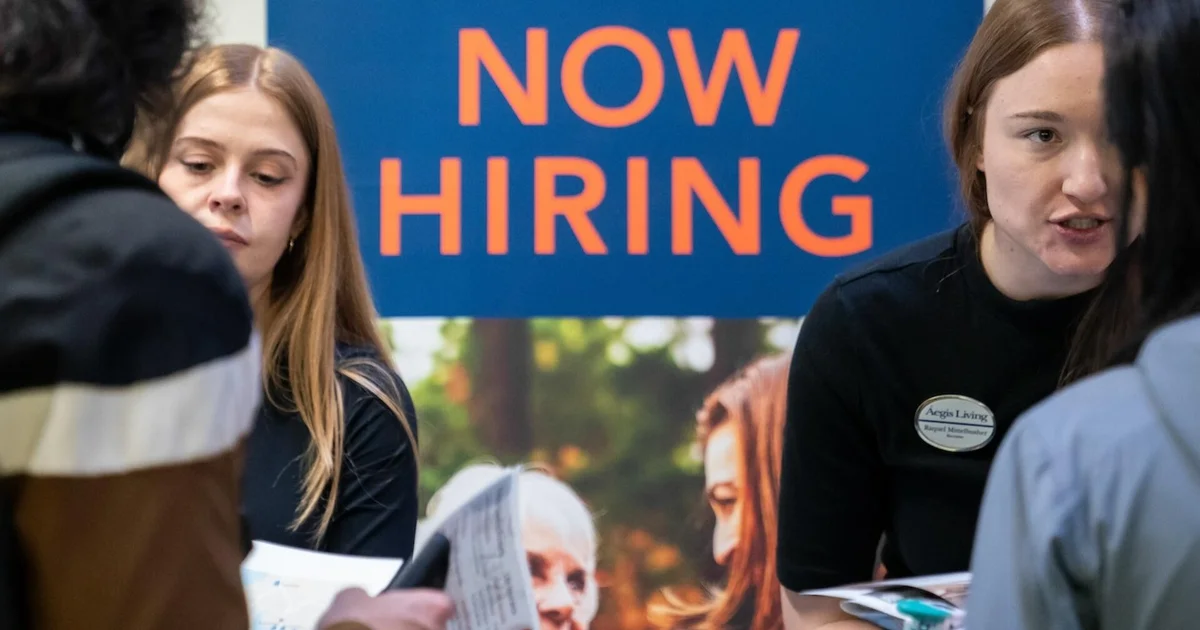
In September, U.S. employers added 29,000 jobs, which is significantly below economists' expectations of 90,000 new jobs, according to financial data firm FactSet. This shortfall indicates that many businesses may be hesitating to hire due to challenges like rising energy prices and increased inflation. The unemployment rate rose slightly to 4.2% from 4.1% in August.
Read More
While the labor market exhibited stronger performance compared to last year, when the average monthly job gain was only 10,000, the latest report raises concerns about the sustainability of job growth after August’s robust figures and the Federal Reserve's initial interest rate hike in three years. Jerry Tempelman, vice president of economic and fixed income research at Mutual of America, noted that the gain of just 29,000 jobs in September leads to questions about the labor market's durability following the Fed's recent rate increase.
Hiring was subdued across various sectors, including healthcare, which typically shows strong growth but only added 17,000 new positions. Financial services companies reduced their workforce by 7,000 jobs last month. Heather Long, chief economist at Navy Federal Credit Union, highlighted the overall weakness in hiring, saying, "Only healthcare and construction were hiring, and it was weak." She pointed out that Americans are dissatisfied with the current labor market due to limited opportunities.
Additionally, the Labor Department revised down the job gains for July and August by a total of 60,000, providing context to August's previously reported rebound. Steve Rick, chief economist at TruStage, stated that while monthly payroll numbers can fluctuate, it is crucial to observe whether a three-month trend presents a cooling labor market rather than a drastic decline.
Economists are also monitoring wage growth, which has not kept pace with inflation for five consecutive months. In September, wages rose at an annual rate of 3%, still behind the 3.4% inflation rate from the August Consumer Price Index. September's wage growth is the slowest since May 2021, exacerbated by inflation that has undercut wage increases since March, according to Long.
Data from outplacement firm Challenger, Gray & Christmas reported a significant decrease in job cuts, with layoffs down 40% from the previous year and falling 20% from September 2025, marking the lowest level of layoffs in four years.
The increase in the unemployment rate calls for careful observation, as rising joblessness paired with subdued hiring may prompt further Fed interest rate adjustments. Ken Mahoney, CEO of Mahoney Asset Management, suggested that the disappointing jobs data might delay any rate cuts during the Fed's upcoming October meeting. He emphasized that the employment figures do not support a rate hike next month, implying that any increase would have to be justified by inflation data rather than underwhelming labor market performance.