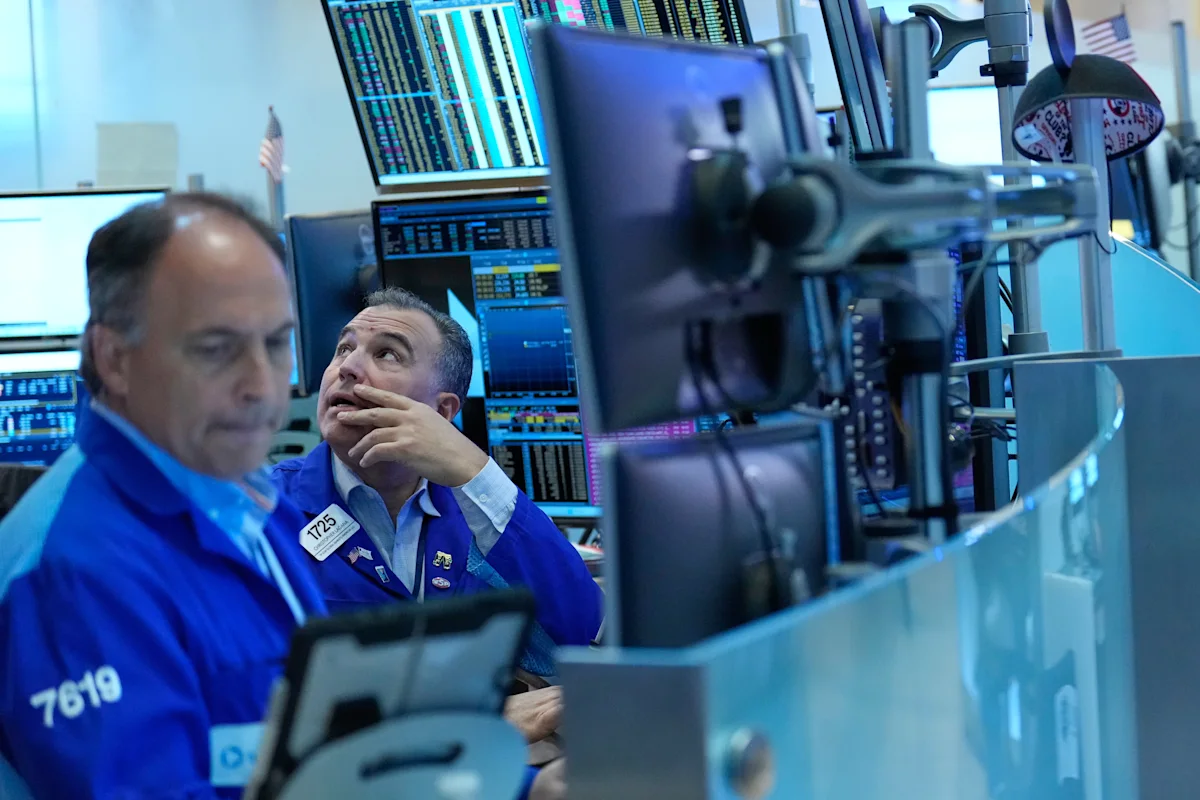
Despite a generally resilient stock market, there are troubling indicators emerging. According to BTIG technical strategist Jonathan Krinsky, downside volume on the New York Stock Exchange has risen to 54% of total volume, nearing year-to-date highs. Additionally, small-cap stocks, as represented by the Russell 2000, have decreased more than 5% from their recent peaks. Krinsky noted that this marks the 12th occurrence of such a decline since 1996, with the Russell 2000 facing losses of about 2.1%.
Read More
These developments suggest that investor confidence may be waning amid challenges posed by increasing oil prices, rising U.S. Treasury yields, and the prospect of another Federal Reserve rate hike before the year's end. To date, the broader stock market remains close to its all-time highs, with the S&P 500 approximately 3% below its peak of 7,798.99, reached on August 13.
Tech-heavy megacap stocks have helped sustain market stability, propelling the benchmark index to a year-to-date increase of around 11.7%. Strong second-quarter performances and optimistic outlooks from major tech companies have eased investor concerns over elevated Treasury yields. Additionally, Wall Street continues to believe that corporate earnings will remain robust through the end of the year, even in light of rising oil costs affecting both businesses and consumers.
As a result, pullbacks in stock prices have been met with selective buying, maintaining the three major U.S. indexes within single-digit percentages of their peak levels. Truist chief investment officer Keith Lerner stated, "The weight of the evidence supports staying aligned with the primary market uptrend. Underweight investors should consider adding exposure, with growth areas such as tech presenting a relative opportunity today." He also suggested viewing any further pullbacks as chances for more aggressive investment.