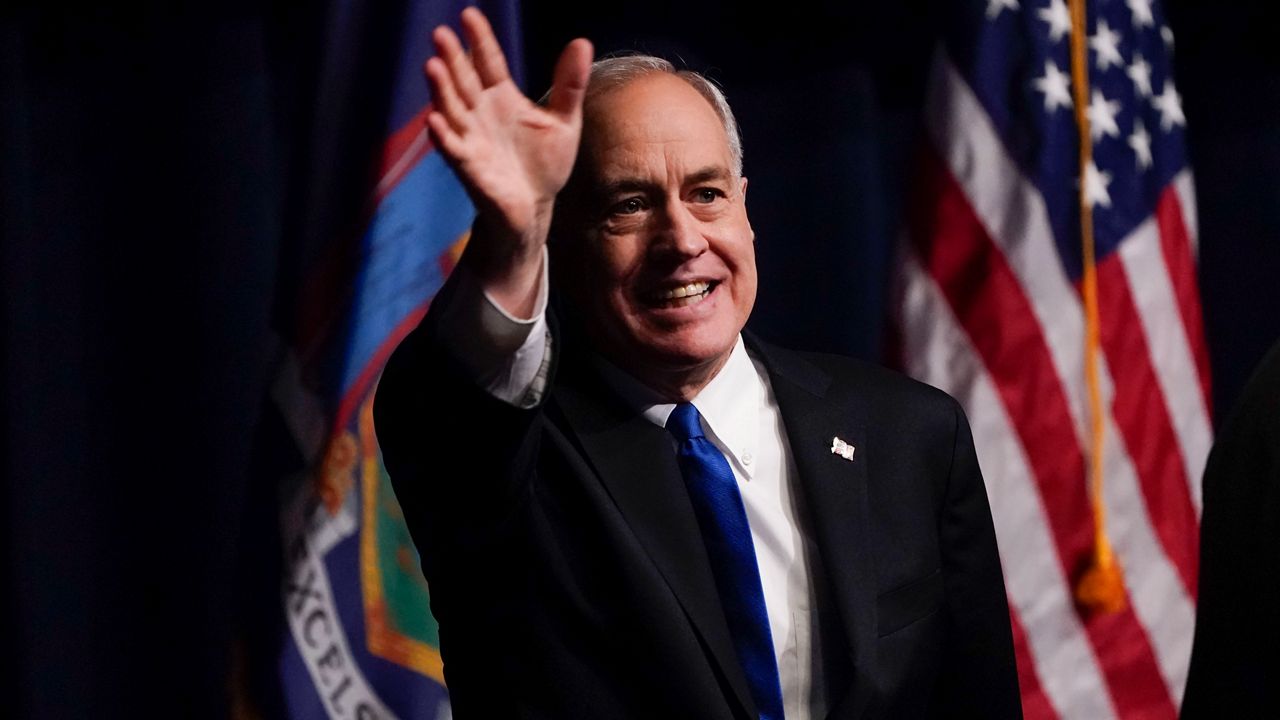
New York State Comptroller Tom DiNapoli reported that Wall Street is on track for a record year, positively impacting state tax revenues as preparations for the upcoming budget begin. According to a report from DiNapoli’s office, Wall Street profits reached $45.9 billion in the first half of the year, marking the highest two-quarter results in history. If this growth trend continues, annual profits could surpass $90 billion by 2026.
Read More
DiNapoli stated, "Wall Street is headed for a record year; profits are up significantly. Probably a much higher bonus pool than we had last year; all of that will mean more tax revenue for New York state."
While this increase in revenue benefits the state budget, it raises questions about how leaders should proceed. Should they use the additional funds to expand services, or should they prepare for potential economic downturns when such profits may not recur?
DiNapoli emphasized the significance of Wall Street's performance, stating, "All of the programs that we depend on in New York, whether it’s for education, healthcare, senior programs, childcare, you go down the long list. So when Wall Street is doing well, that has a positive impact on our tax revenue."
Despite the optimistic financial outlook, DiNapoli warned of ongoing threats, including fiscal instability in Washington and long-term uncertainties. "It might lull us into a sense that it’s going to continue forever; we just don’t know that’s the case," he said.
Budget experts are advising state officials on how to address these fluctuations. Andrew Rein, president of the Citizens Budget Commission, urged the state to utilize any potential surplus prudently, suggesting it should bolster rainy day reserves rather than inflate ongoing spending. "The continued Wall Street run is great news for our revenues; the issue is we have to be smart and put some money away and not just build up a spending base that comes crashing down when the economy turns," Rein noted.
Conversely, Emily Eisner, Acting Executive Director of the Fiscal Policy Institute, advocated for using this revenue to aid in overcoming federal funding cuts, even suggesting raising income taxes on high earners to create a more resilient infrastructure. "The state is going to be looking for ways to not only plug some of the gaps that the federal funding leaves behind but to build more resilient institutions and infrastructure; to do that we need revenue," Eisner stated.
DiNapoli recommended a balanced approach, highlighting the anticipated federal funding reductions that New York will face. He advised making prudent spending choices, especially regarding healthcare and nutrition programs, which may face further cutbacks in the coming years.
This report arrives as the state budget process accelerates, with the governor required to present the executive budget proposal by February 1, due to the election year.