The October 2026 Economic Insider report from Deloitte Global Economics Research Center examines the pressures on global supply chains resulting from geopolitical tensions, particularly focusing on inflation, interest rates, and international trade disruptions.
Read More
Concerns regarding global supply chains have resurfaced, largely due to the conflict in the Middle East. A key indicator, the Federal Reserve Bank of New York’s global supply chain pressure index, reached its highest level in four years in April 2026, primarily due to shipping disruptions through the Strait of Hormuz, which accounted for around 20% of global oil and gas exports in 2025. Despite a short-lived truce, shipping through this vital route continues to experience interruptions.
The repercussions are unfolding across four main areas: first, diminished supplies of crude oil from Gulf nations are leading to price increases; second, disruptions in natural gas exports are affecting energy supplies for households and industries; third, challenges in global food production are anticipated due to reduced fertilizer exports from the Gulf; and finally, increased attacks on merchant vessels in the region are complicating international trade.
As of August 2026, the International Energy Agency (IEA) reported over 10 million barrels per day of Gulf oil production remaining offline due to constrained maritime traffic. Total crude oil exports from the Gulf were approximately 45% lower compared to previous months. While producers outside the OPEC+ group are trying to increase output, global oil supply is projected to decline by 5.7 mbpd this year.
The situation is also impacting refined products and natural gas supplies. Exports of refined products and liquefied petroleum gas from the Gulf fell nearly 60% in August from earlier in the year, with Russia’s refinery damage further exacerbating the crisis. Combined exports of diesel and gas oil from the Middle East and Russia are down 75% year-over-year.
Natural gas supply is similarly strained, with shipments from major producers like Qatar declining significantly. Prices have surged, particularly in Europe and Asia, where they are up 125% compared to pre-conflict levels.
The disruption to fertilizer supplies also poses a threat to global food production. Up to 30% of international fertilizers typically pass through the Strait of Hormuz, and during the first half of 2026, nitrogenous fertilizer exports from Saudi Arabia dropped by 63%. This has led to increased fertilizer prices, which may affect crop yields and the resilience of the global food supply.
Additionally, shipping operations have become increasingly precarious due to escalated risks in the maritime region. Between March and September 2026, there were 116 confirmed vessel incidents, and the International Maritime Organization recorded 24 confirmed seafarer fatalities.
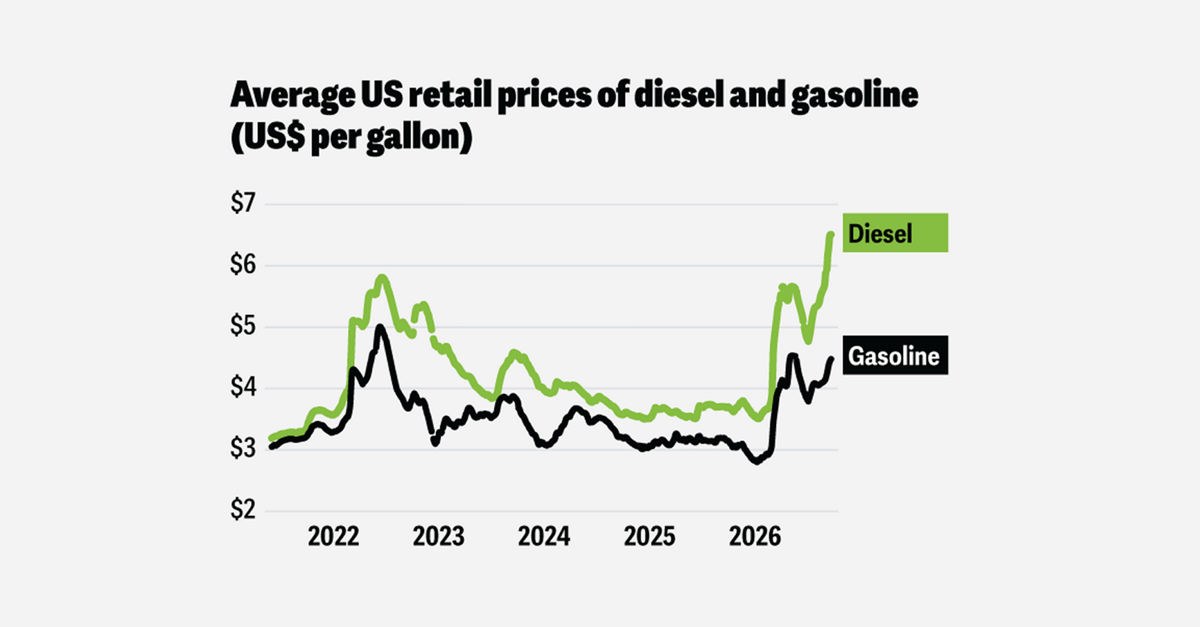
Inflationary pressures are also rising, particularly in the United States, where energy-driven inflation has worsened economic conditions. The Federal Reserve responded by increasing the federal funds rate for the first time since 2023, and this has been mirrored by similar monetary policy actions from the European Central Bank and the Bank of Japan.
Government bond yields in the U.S. have surged, leading to higher borrowing costs for consumers and businesses. The 30-year fixed mortgage rate reached 7.1% in late September 2026, reflecting the ongoing economic challenges brought on by geopolitical tensions.